Second book in series examines innovative design in Latvia

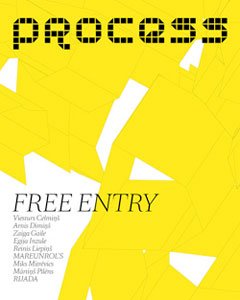
Process 2

What do the Day-Care Centre for the Homeless and Underprivileged on Rīga’s Katoļu iela, the artists’ quarter at Andrejsala, the Majori Primary School Sports Ground and the Pārventa Library have in common? They are all featured in Process, a recently released book on contemporary architecture as examples of innovative design that can be found in Latvia today.

The book is the second in a series of two so far. The first book, Kā rodas laba arhitektūra?, was released in 2008. The aim of both is to give architects and designers a platform to express views on Latvian design trends and their place in the world today.

Process is a very apt title for this book. It doesn’t aim to boast the achievements of the young and talented players in the field. Emphasis is on the thought process involved in designing a project. This is the internal dialogue of the architect or designer trying to fuse their own aesthetic taste with their interpretation of a Latvian style and the functionality of the building, bearing in mind the building regulations governing the object.

Interviews with various high-profile architects—such as Arnis Dimiņš (involved in designing the Dzintari Forest Park in Jūrmala), Zaiga Gaile (renowned for the transformation of the old wooden buildings in Ķīpsala), and Roland Pēterkops and Mārīte Mastiņa (the fashion designers that make up the firm Mareunrols)—are a brave and successful attempt to delve into the designers’ psyche. By discovering the sources of inspiration for the works of these designers and their view of Latvia’s place in the design world, the book has also prompted an analysis of the direction design is heading. Reflection on the concept of a uniquely Latvian style of design—and whether such a concept actually exists—makes this book a serious and critical, but at the same time easily digestible, look at contemporary design trends in Latvia in the past decade.

The showcased designers are mostly young and energetic professionals who have completed some of their studies abroad and, therefore, have had much more interaction with their contemporaries in other countries than architects and other designers had in the first decade since the fall of the Soviet Union. They have set up their own firms with their own unique sense of style. One obstacle stressed in interviews in both books is the corruption in the government tender process that should be addressed sooner rather than later.

The book also illustrates the effects the economic crisis has had on small businesses, which has resulted in the trend to cooperate with others and to form creative “enclaves” in various places throughout the city. Andrejsala, which has for a few years been the up-and-coming artists’ quarter in Rīga, has now been joined by the Spīķeri area next to the Central Market, Kalnciema kvartāls, and the artists’ territory now slowly finding its place in the grounds of the former VEF electronics factory complex. The appearance of these areas and events organised at these quarters are no longer merely individual attempts at being original in a world of franchises and copy-cat styles, but a collaborative effort by like-minded energetic and creative professionals to find a common physical space to give the fruits of their imagination a home.

A noteworthy section for the budding young designer are the last two pages of the book, featuring interviews with students at internationally acclaimed design schools. This kind of first-hand insight is always good to find.

One shortcoming, however, is the lack of an English translation in full. While some articles are briefly summarized, a full translation of the book would take this excellent showcasing of design talent in Latvia past its borders.

Books such as this are essential in applauding the efforts and achievements of our architects and designers and showing that Latvian artists are an extremely talented bunch. They have the education and often the contacts (the result of studies abroad and many other opportunities for regular interaction), they just need to think outside the square, take a risk, work together with others and not compromise on their vision. The rest will come, once the wheels are set in motion.

Details

Process

Ieva Zībārte, editor

Rīga:  Arhitektūras veicināšanas fonds,  2009

ISBN 978-9984-39-902-7
Daina Gross is editor of Latvians Online. An Australian-Latvian she is also a migration researcher at the University of Latvia, PhD from the University of Sussex, formerly a member of the board of the World Federation of Free Latvians, author and translator/ editor/ proofreader from Latvian into English of an eclectic mix of publications of different genres.

Just another travel guide? For Rīga, fortunately not!

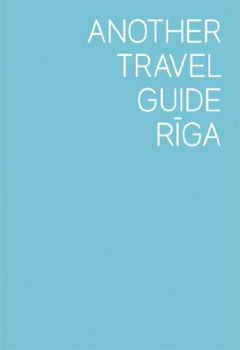
Another Travel Guide Rīga

Are all travel guides the same? Is this really just “another travel guide”? Fortunately not! Around Christmas a breath of fresh air could be felt wafting through the streets of RĪga. Although Rīga was in the depths of a financial crisis, this has not been a hindrance to many creative souls in the capital. New shops, cafes, cafeterias have sprung up. The new travel guide, Another Travel Guide Rīga is proof of this itself. The guide is presented in an unusual format—proving that not all travel guides are of the same ilk.

The places described in the guide also show the ingenuity of the local community, not only among artists but all manner of entrepreneurial types, people who have brought their ideas to life in the past six months and opened their own small business. The phenomenon has most certainly been aided by the Latvian government lowering the costs associated with registering and setting up a business, but these incentives would have fallen on deaf ears if the ideas had not been latent, waiting for their time to arrive.

The brainchild of the creators of anothertravelguide.com, a Web site for intrepid travellers, the travel guide differs first in its look. The cover is one tone, made of rudimentary canvas, the outer spine multicolored as it is unbound. This half-finished look does not translate to the contents, however. The book is a very friendly compendium of unique places to visit or activities to try out while in Rīga. And not only of the recently opened kind. While most run-of-the-mill guide books will have the standard yawn-inducing photographs and descriptions of must-see sights, this guide provides a succinct list of the places in Rīga that are slightly quirky, sometimes off the beaten track, often unheard of by tourists, a well-kept secret of the locals.

Then there is the language issue. It is still surprising to see guide books written supposedly with the tourist in mind but with the foreign language still embarrassingly lacking. Often the only language that is of high quality in these guide books is Latvian—great for the locals, who often know the subject matter inside out anyway. This guide book is different. The language of choice is English and the language is top-notch, so you are spared the customary cringe when reading the text.

At first glance this guide is aimed at the twenty- and thirty-something crowd. Covered are cool trinket shops, trendy galleries, cheap eateries—mostly meant for those who are still in a perpetual state of finding themselves. Glance a bit further and you’ll see gems uncovered that are priceless: the local Vidzeme Market for its fresh produce; the Maternity Hospital for its fresh produce of a different sort; the Latvian Academy of Sciences for its architecture (love it or hate it, but it has a character of its own); the Sakta Flower Market, for flowers 24/7; the New Rīga Theatre with its avant garde approach, still going strong. Together with the legendary stalwarts of the city such as Café Osiris, the chess players at Vērmaņu Park, the ice fishermen (or bļitkotāji, as they are referred to by the locals) on the Daugava River and the Latgalīte Market, these people and places are all woven into the fabric that is the city of Riga.

Rīga is not only the Old Town and the few streets beyond. This vibrant city has many suburbs, some worth noting, some not so much. The more vintage of these, only getting a second lease on life in the past few years as they are rejuvenated, are the places to get to before they are fully refurbished. The thrill of viewing the run-down juxtaposed with the brand-spanking new is still to be had and is applicable to the Maskavas Suburb, Andrejsala, Ķīpsala, Pārdaugava, Bolderāja, the Spīķeri Quarter, Kundziņsala, to name only a few.

Another Travel Guide Rīga reveals the secrets of the locals, unveils the recent undertakings of folks who are brave and creative, and also looks at the traditional from a new perspective.

Details

Another Travel Guide Rīga

anothertravelguide.com

Rīga:  anothertravelguide.com,  2009

ISBN 9984399192

Daina Gross is editor of Latvians Online. An Australian-Latvian she is also a migration researcher at the University of Latvia, PhD from the University of Sussex, formerly a member of the board of the World Federation of Free Latvians, author and translator/ editor/ proofreader from Latvian into English of an eclectic mix of publications of different genres.

PBLA skolotāju seminārs 2010. gada jūlijā Rīgā

2010. gada 12. un 13. jūlijs—ierakstiet šo datumu gada plānotājā! Šajās dienās Rīgā būs iespēja divas dienas pulcēties latviešu skolu skolotājiem, kas strādā latviešu skolās ārzemēs. Seminārs notiks tieši pēc Skolēnu dziesmu un deju svētkiem, kas notiks no 6. līdz 11. jūlijam.

2007. gada jūlijā notika skolotāju konference, ko rīkoja Latvijas valdības aģentūra LVAVA (Latviešu valodas apguves valsts aģentūra – tagad LVA) kopā ar PBLA. Konferencē skolotāji ļoti augsti novērtēja kopīgo situācijas iepazīšanu un pārrunāšanu kā arī iespējamu risinājumu un sadarbības meklēšanu, un skolotāji izteica lielu interesi par to, ka ik pa pāris gadiem varētu notikt līdzīga konference vai seminārs. Starplaikā ir notikuši divi LVAVA rīkoti diasporas skolotāju apmācību kursi, kurus apmeklējuši vairāki desmiti skolotāju no visas pasaules, un kuros jau pamati ielikti sadarbībai un domu un ideju izmaiņai.

2010. gada jūlija skolotāju seminārā iecerēts vairāk uzsvērt praktisko iemaņu apgūšanu un skolotāju domu izmaiņu. Lai gan semināra darba gaita vēl ir tapšanas stadijā, ir diezgan skaidrs, ka sekojošie un līdzīgi temati tiks iekļauti programmā:

Skolas struktūras izveidošana (priekšmetu izvēle, skolas “gaisotnes” un tēla izveidošana, vecāku līdzdalība, līmeņu nospraušana),
Vecāku un bērnu motivēšana,
Vecāku iesaistīšana mācību procesā,
Mācību vielas izvēle,
Mācību metodika,
Sadarbība ar Latvijas republikas Izglītības un zinātnes ministriju.

Seminārā mīļi gaidīti visi, kas darbojas latviskas izglītības laukā ārzemēs—gan mācot valodu, ģeografiju, vēsturi, folkloru, un citus priekšmetus, gan vadot bērnu dārzus, spēļu grupas, bērnu nometnes un citi!

Tuvāka informācija un pieteikšanās lapas sekos nākamajos mēnešos. Ja ir īpaši jautājumi vai ieteikumi, lūdzu rakstiet Dainai Grosai uz adresi daina.gross@latviansonline.com.

Daina Grosa
PBLA Izglītības padomes priekšsēdes vietniece sadarbībā ar Latviju

Daina Gross is editor of Latvians Online. An Australian-Latvian she is also a migration researcher at the University of Latvia, PhD from the University of Sussex, formerly a member of the board of the World Federation of Free Latvians, author and translator/ editor/ proofreader from Latvian into English of an eclectic mix of publications of different genres.