Just passing through? Then use these guides

I have always been a fan of Lonely Planet’s insightful and at times irreverent style. But their guides to Latvia miss its essence, and not just because they cover several or more countries in one book. (One is the guide to Estonia, Latvia & Lithuania, the other is the condensed guide to Scandinavian & Baltic Europe). Much focus is given to the regional and superpowers that have overrun the Baltics throughout history. That focus extends to monuments to the past, where the guides spend more time on Salaspils and the Nazi attrocities there than on Latvia’s rich achievements.

Indeed, it reminded me of their television series segment on Latvia, where you saw more of Salaspils than Rundale, Cēsis, and Bauska put together—and the final impression was of a country bearing the sins of past tragedies, not a country proud of its cultural riches, its creativity, or its energy. By comparison, the Maritime Museum in Rīga, a veritable treasure trove of maritime trade and life, is merely mentioned as an interesting place to visit.

What struck me next, reading both guides, was how quickly Latvia has been changing. The Baltics-only guide was published in 1997 (an updated second edition was released in July of this year, but is not reviewed here); the condensed Scandinavia and Baltics guide appeared in 1999. The more recent condensed guide had a new and fairly comprehensive list of Web sites focused on Latvia. For the neophyte, that is one of the most valuable resources mentioned in the guide. It also deleted some of the more dated and not particularly accurate observations in the detailed guide, for example, the admonishment to bring one’s own bag to the market, as you otherwise have to buy plastic bags at a lat each and suffer having to carry around the pictures of naked women printed on them. I’ve been visiting Latvia at least yearly since 1991 and have wandered around Rīga taking hundreds of pictures. I’ve seen everything from Hare Krishnas to a woman walking her goat, but no naked ladies on plastic bags.

In other terms of accuracy, particularly in dealing with the fallout of the Soviet occupation, the guides seemed more focused on an outsider’s uninformed optimism than actually delving into the Russian-Latvian relationship.

Indeed, the guides are stricken with an outsider’s shallow perception of Latvia and Latvians, who allegedly are not as reserved as Estonians but not as outgoing as Lithuanians. That observation, and its repetition verbatim several times, fills out page space, but does little to fill out the reader’s understanding of, or appreciation for, the Baltics—either the people or the sights.

The whole attitude is of passing through somewhere to get to another (more interesting) destination, not lingering to savor the experience. The best example is the guides’ suggestion that visitors need not allocate more than two days for Rīga, as that is all you need to see all that’s worthwhile. Even every non-Latvian I’ve talked to who has visited or lived for a while in Rīga will tell you that’s barely enough time to scratch the surface! The how of traveling to Latvia is addressed quite well, but, in the end, we are left wondering why.

(Editor’s note: This article originally appeared on the SVEIKS.com site.)

Details

Estonia, Latvia & Lithuania

John Noble, et al

Melbourne:  Lonely Planet Publications,  1997

Notes: Also reviewed is Glenda Bendure, et al., Scandinavian & Baltic Europe. Melbourne: Lonely Planet Publications, 1999.

Prezidentes uzruna Rīgas 800 atklāšanā

Ekselences! Cienījamās dāmas un godātie kungi! Man ir liels gods sveikt Jūs šodien Rīgā. Sirsnīgi sveicu Igaunijas Valsts prezidentu un kundzi. Sirsnīgi sveicu Lietuvas Valsts prezidentu un kundzi. Sirsnīgi sveicu Vācijas Federālo prezidentu un kundzi, kā arī delegāciju. Man ir patiess prieks, ka uz Rīgas 800. gadadienas svinībām ir atbraukuši Latvijas kaimiņi, draugi un partneri.

Brīvās un neatkarīgās Latvijas Republikas galvaspilsēta svin 800 gadu jubileju. Kopš 12. gadsimta beigām, kad pie Rīdziņas ietekas Daugavā uz dzīvi apmetās lībieši, zemgaļi, ieceļotāji no Kursas un kopš 1201. gada, kad savu rezidenci uz Rīgu pārcēla Brēmenes bīskaps Alberts, mēs esam kopā nogājuši garu ceļu astoņsimt gadu ilgajā un mainīgajā vēsturē. 13. gadsimtā Rīga kļūst par Hanzas savienības locekli. Kā hronikās rakstīts, Rīga, Livonijas metropole, izveidojās par vienu no ietekmīgākajām Hanzas pilsētām, kļūstot par Ziemeļeiropas tirdzniecības un sabiedriskās dzīves centru.

Cauri gadu simtiem Rīga izstarojusi lielu pievilkšanas spēku, kas piesaistījis gan tās iedzīvotājus, gan Rīgā nonākušos. Vācu zinātnieki, mākslinieki un sabiedriskie darbinieki ir atstājuši savus vārdus un darbus Rīgas vēsturē. Kā pilsētas teātra direktors vairākus gadus Rīgā darbojās Rihards Vāgners, Rīga ir bijusi šūpulis rakstniekam Verneram Bergengrīnam, zinātnisko darbību Rīgā ir sācis pazīstamais ķīmiķis, Nobela prēmijas laureāts Vilhelms Ostvalds. Rīga slavina arī Johanu Gotfrīdu Herderu, kurš šeit strādādams, smēlies ierosmi vairākiem saviem darbiem. Saskarsme, kas tuvina mūsu zemes un tautas vairāku gadsimteņu garumā, arī šodien ļauj dziļi izkopt kultūras tradīcijas un padziļināt mūsu garīgo dialogu. Vēlos atzīmēt paaudžu paaudzēs sniegto vācbaltiešu ieguldījumu Rīgas un visas Latvijas kultūras un saimnieciskajā dzīvē. Vācbaltieši arī šodien kā tilta cēlēji uztur saikni ar bijušo dzimteni.

Mēs lepojamies, ka Rīgas dēls ir igauņu mūsdienīgās dzejas aizsācējs Kristjans Jāks Petersons (Kristjan Jaak Petersen). 19. gadsimta beigās Rīga kļuva par nozīmīgu izglītības un zinātnes centru. Mēs esam priecīgi, ka daudzus Lietuvas valsts un kultūras darbiniekus kā savus skolniekus iepazina Rīgas mācību iestādēs – Rīgas ģimnāzijās un Rīgas politehnikumā. Atļaujiet nosaukt vien dažus to dienu skolniekus, kuru vārdi Lietuvai vēlāk kļuva tik nozīmīgi—armijas izveidotājs Antanas Juozapavičius, mākslinieks Petras Kalpokas, arhibīskaps Mečislovas Reinys.

Pirmo reizi savas pastāvēšanas vēsturē Rīga svin savu simtgadi kā Latvijas Republikas galvaspilsēta, turklāt šogad augustā tā atzīmē pirmo desmitgadi kā atjaunotas valsts galvaspilsēta. Priecājos, ka Vācijas Federatīvā Republika bija starp pirmajām valstīm, kas 1991. gada 28. augustā atkal atjaunoja diplomātiskās attiecības ar trim Baltijas valstīm—Latviju, Lietuvu un Igauniju. Aizvadītajā gadu desmitā starp mūsu valstīm atkal sazarojuši patiesi labi un uzticības pilni kontakti. Latvijas un Vācijas sadarbībai ir ielikti stipri pamati. Plaša un auglīga sadarbība saista visas trīs Baltijas valstis.

Latvija, Igaunija, Lietuva un Vācija kā Baltijas jūras reģiona valstis saista ne tikai Mare Balticum, tās tuvas kopīgās vērtībās, tās vienotas kopīgos nākotnes mērķos. Baltijas jūras telpā atkal kūsā dzīvība, kas šim reģionam Eiropā paredz visstraujākās attīstības garu. Tam ir liels politiskās, ekonomiskās, zinātnes un kultūras attīstības spēks. Latvija ir aktīva reģionālās un pārrobežu sadarbības dalībniece, lai minam kaut vai šī gada septembra nogalē Rīgā plānoto e-biznesa forumu. Ar gandarījumu varam atzīmēt, ka Vācijas Federatīvā Republika ir veiksmīgi aizvadījusi savu prezidentūru Baltijas jūras valstu padomē. Esmu pārliecināta, ka arī turpmāk mūsu valstis nežēlos pūliņus, lai īstenotu visam reģionam svarīgus projektus.

Baltijas valstis ir gatavas rūpēties par mūsu kontinenta drošību un stabilitāti. Mēs gribam pievienoties to valstu saimei, ar kurām mūs vieno un saista kopīgās vērtības. Konsekventa integrācija ES un NATO ir ne tikai Latvijas, Lietuvas un Igaunijas stratēģiskie mērķi. Šie jautājumi kļuvuši par visas valsts un sabiedrības dzīves sastāvdaļu. Vienīgi kļūstot par ES un NATO dalībvalstīm, Latvija, Lietuva un Igaunija pilnīgi iekļausies drošības un stabilitātes telpā. Mēs augstu vērtējam draugu un sabiedroto atbalstu ceļā uz ES un NATO. Mēs paļaujamies, ka Vācija kā ES dibinātājvalsts un NATO dalībvalsts konsekventi un mērķtiecīgi iestāsies par Baltijas valstu iestāšanos Eiropas Savienība un Ziemeļatlantijas Aliansē.

Baltijas valstīm un Vācijai ir vislabākie priekšnoteikumi, lai veicinātu vienotas Eiropas tapšanu mūsu valstu labklājībai, mūsu kaimiņu labklājībai, Eiropas labklājībai.

Ekselences, es vēlētos uzsaukt tostu… par Rīgu un tās iedzīvotājiem!… par mūsu valstu un tautu auglīgu sadarbību!… par vienotas Eiropas nākotni!

Latest by Labvelīgais Tips lacks classic song

Eiropa mūs nesapratīs

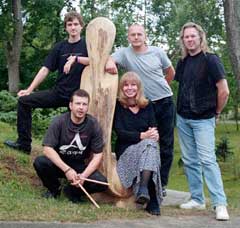
One of the few things left to depend on in this world is the yearly arrival of a Labvelīgais Tips album every April 1. For the last seven years, each April Fool’s Day brings another release from this ensemble, making them probably the most prolific band in Latvia. This past April 1 came Eiropa mūs nesapratīs, a collection of 14 songs.

Labvelīgais Tips is a band that is hard to categorize. Humor is a major part of their arsenal, and many of their songs are in the schlager style (though a more "modern" interpretation of that form). Their songs are about simple topics, finding the humor in everyday occurences. The band itself is larger than your everyday rock band: besides the usual guitar, bass and drums, they add trumpet, flute and accordion, not to mention a string quartet.

I only became a fan of Tips upon the release of their "best of" collection in 1999. I had heard a few of their songs prior to that, but I suppose I wasn’t yet able to get the joke at that point, as Labvelīgais Tips have a very unique sense of humor that takes a certain mentality to appreciate. But after listening to the collection, and hearing tales of omnibuses in people’s backyards and brothers in Chicago, I was hooked. And though I didn’t get all the jokes (it seems most are geared towards people who have spent their lives in Latvia), I began to listen to them much more frequently. I also picked up their 2000 release Atkārtot!, which was another great collection of songs.

Surprisingly, I found Eiropa mūs nesapratīs a bit disappointing. Though the classic Tips "sound" was there, after listening to the album a number of times it seemed to me that something was missing: a truly classic Tips song. The "best of" collection was full of these classic songs, and Atkārtot! added a few more, but there aren’t really any songs on Eiropa that can stand alongside their earlier material. Not that the songs are bad: All the songs are solid, but there aren’t any songs that I would look forward to hearing if I were to see these guys in concert.

The songs continue to have an even more eclectic sound, with influences ranging from reggae to Latin. "Koka klucis Konstantīns" sounds like a combination of Latin and lounge music. The song "Pazudis ir miegs" also has a Latin sound, but also strikes me as that "Russian-Latin" sound that many Raimonds Pauls songs in the 1970s seemed to have.

The old Latvian standard, "Augstu laimi un prieku" (the "Lai dzīvo sveiks!" song), is redone a la Tips, this time in a Mexican mariachi style.

Many of the songs here defy description, which is part of the charm of Labvelīgais Tips, though some may be turned off by the constant changing of styles. There is always some new sound, some new surprise on each of their records. Even the lyrics defy description, as some of the songs left me scratching my head and thinking, "What was THAT about?" Songs such as "Smilšu krasas portfelīts", "Dubļi mani dubļi" and "Tu, mana ģeometriskā" either show off the creativity of the band or leave some thinking, "These guys will write a song about anything."

"Eiropa mūs nesapratīs" is a song in waltz style that tells the story of a Latvian guy and his great-great-great-great-great (and a few more greats) grandfather, both of whom have been to neither Germany nor Denmark and don’t have any Hungarian or Irish friends. This probably alludes to the fact that to truly appreciate and understand Labvelīgais Tips you have to be a Latvian living in Latvia.

The packaging of this album, though it looks nice, also is lacking in a few ways. Particularly annoying is the absence of lyrics. Having those would make a lot of their jokes easier to understand. Also, though the members of the band are listed, nowhere is it written what they do or what instruments they play.

Maybe the need to release an album every year has started to take its toll and isn’t giving them enough time to properly craft an album. Many of the songs wind up sounding a bit repetitive, often repeating verses and choruses a few more times than necessary. Perhaps the reason that Atkārtot! was such a good album was that it was two years after the last recording of new material.

Die-hard Tips fans will like this record. I don’t dislike it, but don’t think it will be making it into my CD player with any great frequency. If you don’t have any Tips recordings, this is probably not the one to start with. I’d recommend starting with the "best of" release. If you really like what you hear there, you might just like Eiropa mūs nesapratīs.

Details

Eiropa mūs nesapratīs

Labvēlīgais Tips

MICREC,  2001

Egils Kaljo is an American-born Latvian from the New York area . Kaljo began listening to Latvian music as soon as he was able to put a record on a record player, and still has old Bellacord 78 rpm records lying around somewhere.