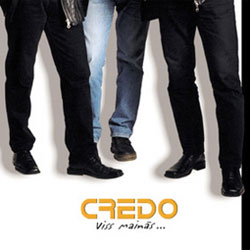
Credo’s creativity hasn’t changed

Viss mainās...

Though there are many perks to being in a band that’s been around for a long time, there also can be more pressure. Music fans tend to be a cynical bunch, and even though you may have sold boatloads of records in the past, one bad record will turn your fans against you. The pressure comes from how to keep it interesting. The band may have established a sound, but there is a danger of going to the well once too often. Deviate from that sound too much and run the risk of alienating your fans.

Of course, there are some bands out there, be they Latvian or otherwise, that have made a career of making the same album over and over again. And there is a place for that, but very few can get away with it and still maintain fan loyalty.

Another one of the veteran bands of the Latvian rock scene, Credo, in September released its latest album, Viss mainās…

After more than a quarter century of making music, did they keep it interesting? I would say that they did.

I was a bit apprehensive about reviewing this record, since I know nothing of Credo’s history, besides the fact that they have been around for a while, so I wouldn’t have the ability to "show off" my supposedly large knowledge of Latvian music. Before this record, I had heard all of three songs of theirs. "Vecais draugs" (from the Mikrofona 20 popularākās dziesmas collection), "Lietus" (from the Visu laiku labākās latviešu rokbalādes collection), and probably their most famous song, "Zinģe par bailēm" (from the Latviešu roka tautasdziesmas collection). And while I liked the songs, I never had any initiative in finding out more about this band.

That is something that I now regret, considering how much I liked the new record, which was an interesting collection of old sounds, new sounds and unique sounds.

The members of Credo are Guntis Veits (voice, rhythm guitar), Armands Alksnis (guitar), Aivars Vīksna (bass guitar) and Guntars Brečs (percussion). The prolific Latvian lyricist Guntars Račs also lends a hand with words to a few of the songs.

A recurring theme through this album is the idea that although things may change, one has to accept them. Appropriately enough, the album title is Viss mainās… (Everything Changes).

"Vējā" (In the Wind) is the first track and is probably my favorite song on the album. An uptempo tune with a great melody, it is a philosophical song about the changes and the fortunes that wind may bring: "Vēja māte vēja zirgiem, pakavus no laimes kal" (The Wind Mother makes horseshoes from fortune for the wind horses).

The second track, "Dzivē gadās arī tā" (That Happens in Life), sounds like it would be more at home on a Santana record, since it has a Latin feel to it. I think it is a successful experiment, because many times when artists attempt Latin sounding tunes, it comes across sounding forced. But, reflecting the carefree spirit of the album, it comes across very well. The song tells the story of a guy, who while talking to one girl, is looking over her shoulder at two other women. I keep waiting for Carlos Santana to start playing a guitar solo!

Another favorite track is "Septītajās debesīs" (Seventh Heaven), if only because it is a Chuck Berry-style, straight-ahead rock-and-roll song: not many chords, but the kind of song that if you hear it while driving, the gas pedal gets used more frequently.

Actually, I lied earlier. I had heard four songs by Credo prior to hearing this album. The final track "Kā būs, tā būs" (What Will Be, Will Be) originally appeared on the Dziesma 2000 compiliation (though it wasn’t credited to Credo, but just to Guntis Veits). It’s a fitting end to an excellent album, reinforcing the spirit of the album—looking forward without any fear of the future.

Viss mainās… is a solid effort by the band and it has been finding its way into my CD player quite frequently. Though a rock record in spirit, it has enough eclectic influences to make it good listening for any music fan, even those cynical ones who think that the old-timers can’t make relevant music anymore. Fortunately for Credo, even after so many years making albums, they still have enough creativity and to make excellent album.

Details

Viss mainās…

Credo

MICREC,  2000

Egils Kaljo is an American-born Latvian from the New York area . Kaljo began listening to Latvian music as soon as he was able to put a record on a record player, and still has old Bellacord 78 rpm records lying around somewhere.

18.novembris – tās vairs nav fotogrāfijas, bet dzīve

Mātesmāte Marta Sliede, kas mūsu ģimenē tika saukta par Raunas vecāmāti, bija liela dziedātāja. Dzīvojot pie viņas septiņdesmito, astoņdesmito gadu vasarās, samācījos tautasdziesmas un populāras gadsimta sākuma ziņģes.

Viņa bija tik droša vai tik naiva, ka man, mazam skuķim, dziedāja priekšā arī "Dievs, svētī Latviju!" un "Mēs, visi latvji, viena saime" – gan paskaidrodama: ārpus mājas šīs dziesmas lietot nedrīkst. Kāds vīrietis esot saņemts ciet par to, ka atļāvies 18.novembrī uzstāties ar minēto repertuāru pie Raunas Brīvības pieminekļa (tas, līdzīgi "Mildai," padomju laikā nez kāpēc bija izpelnījies žēlastību tikt nesagrautam).

Toreiz maz ko zināju par lielo politiku, taču vecmāmiņas pieminētais "18.novembris," tāpat kā viņas atvilkņu dziļumos noglabātās radu kāzu fotogrāfijas ar sarkanbaltsarkaniem karogiem apvītiem goda vārtiem lika rasties vārgām nojausmām par notikušo. Tās apstiprinājās 1985.gada vasarā, kad tantes vīrs, bijušais mežabrālis Arturs Kalniņš, pirmoreiz manā klātbūtnē minēja vārdus "padomju okupācija." Vēl šobrīd atceros: mēs sēdējām viņa vecajā auto, moskvičā, pašā Rīgas centrā, man tajā brīdī sāka neganti dauzīties sirds, un tramīgi skatījos apkārt – vai tikai kāds nav dzirdējis?

Atmiņā labi iespiedusies vēsturiskā manifestācija Mežaparkā 1988.gada rudenī, arī barikādes un 1991.gada augusta pučs, taču pirmo 18.novembri atjaunotā Latvijā nezkāpēc neatceros. Tas varbūt tāpēc, ka neesmu aizrautīga kolektīvo svētku svinētāja – tajā dienā es tikpat labi būtu varējusi klaiņot pa mežu savos laukos Smiltenes pusē.

Toties nevaru aizmirst 1994.gadu. Pirmos ārzemēs, ASV Mičiganas štata Grandrapidos sagaidītos valsts svētkus, ģērbusies aizlienētā, bet īstā Zemgales tautastērpā, dziedāju latviešu biedrības korī. Tik neierasti bija vakaru sākt ne tikai ar "Dievs, svētī Latviju!," bet arī "The Star-Spangled Banner" – un redzēt saviļņojuma asaras citu koristu acīs ne tikai pirmās, bet arī otrās dziesmas laikā…

Pieļauju, ka 18.novembra repertuārs emigrācijas koriem ilgo okupācijas gadu laikā bija dzelžaini nostabilizējies un kļuvis tradicionāls, bet tajā vakarā nekas daudz neliecināja, ka Latvija būtu kļuvusi brīva. Sekoja nostaļģiskas, sirdi plosošas dziesmas, kas arī man acīs riesa asaras un uzdzina ilgas pēc dzimtenes (ko nedaudz mazināja skābu kāpostu šķīvis un rupjmaizes šķēle pasākuma neoficiālajā daļā).

Jau daudzus gadus pēc tam, Latvijā runājot ar vienaudzi, mineapolieti Māru Pelēci, dzirdēju viņas bērnības iespaidus – katru 18.novembri pieaugušie skumstÉ Tajā brīdī domāju: patiesībā jau nekas nav mainījies. Kādai tautas daļai, kamēr vien tā dzīvos, prieku par atgūto neatkarību nospiedīs asaru kamols – par to, bieži vien idealizēto, Latviju, kuras vairs nekad nebūs. Vai par nespēju atrast sev vietu jaunajā valstī. Labi, ja vismaz reizi gadā par to var publiski izraudāties. Asaras taču ir terapija!

Pagājušogad par šo tēmu intervētā Ingrīda Meierovica, kas ilgus gadus dzīvojusi Amerikā, teikdama: "Trimdā 18.novembris vienmēr bija kā ritualizēts ticības apliecinājums," turpināja – viņai šos svētkus vairs negriboties sagaidīt ārpus Latvijas – tikai te esot īstā pacilātība.

Tikmēr atjaunotajā Latvijā pēc 10 neatkarības gadiem gan valsts himnas dziedāšana, gan 18.novembra svinēšana jau kļuvusi par rutīnu. Būtu liekulīgi neatzīt, ka ir cilvēki, kas šos svētkus uztver tikai kā kārtējo brīvdienu un bēdājas, ja – kā tas ir šogad – tie iekrīt svētdienā. Svētku svinēšana gan vispār ir delikāta lieta, un, manuprāt, nevajag nosodīt ne tos, kas tos ignorē, ne tos, kas bīda bērneļus drūzmā uz kārtējo uguņošanu, kādu šogad Latvijā ir bijis neparasti daudz.

Paziņa Andris Akmentiņš, dzejnieks un reklāmas aģentūras radošais direktors, jautāts par 18.novembra sagaidīšanu, lūdz laiku pārdomām, un pēc brīža ar e-pastu atsūta rakstisku viedokli: "Šādi svētki ir viens no ikvienas normālas valsts atribūtiem. Es domāju, ka ir pareiza virzība – no valsts pie iedzīvotājiem. Ka šos svētkus finansē, rīko un veicina valsts. Jo tā mūsdienās ir laba iespēja ne tikai pieminēt vēstures faktus, bet arī piestrādāt pie valsts tēla – sevišķi Rīgā, kur nacionālais sastāvs ir tik atšķirīgs. Gluži normāli, ja dienas vakarpusē tauta pulcējas, lai noskatītos salūta šovu – arī tad, ja tas ir vienīgais, ko no svētkiem uztver un saprot liela daļa no atnākušajiem. Neesmu jau daudz labāks par viņiem, atceros, pagājušajā gadā darba ritms bija tāds, ka nogulēju līdz pat salūtam. Vismaz pamostoties, jutos no sirds pateicīgs savai valstij par brīvdienu, kas pienākusi īstajā brīdī. Varbūt tā nebija pati labākā emocija, ko saglabāt sirdī no 18. novembra, bet vismaz emocija. Tas nenozīmē, ka es sagaidu no šiem svētkiem nākotnē dauzgalvaina pūļa sajūsmu, un klusais piemiņas brīdis vairāk piedien Lāčplēša dienai, kas ir tikai nedēļu ātrāk. Nav arī sagaidāms, ka tuvākajā laikā valsts neatkarības dienā dzimušie varētu kādā krogā saņemt glāzi par brīvu (šāds nostāsts dzirdēts par “štatiem”). Ar laiku tas varētu mainīties, un savu daļu svētku sajūtas dotu cilvēku spontānās prieka izpausmes. Pašlaik šo jomu ik gadu lieliski aizpilda Latvijas hokeja izlases panākumi ar gluži jaunu, agresīvu tradīciju (ko citās valstīs varētu uztvert strīdīgi), ka līdzjutēji no Vecrīgas krodziņiem pēc spēles ar ziediem rokās dodas uz sakauto valstu vēstniecībām, lai izteiktu līdzjūtību. 18. novembris šādā ziņā norisinās ļoti mierīgi un civilizēti. Arī Rīgas lielveikali vēl nav pamanījušies rīkot izpārdošanas akcijas šajā laikā – un tas priecē. Katrā ziņā – mēs vēl mācāmies sagaidīt valsts svētkus, jo to nemaz vēl nav bijis tik daudz…"

Uz dažām dienām Rīgā iebraukusī Sandra Kalniete, Latvijas vēstniece Francijā, ko 10.novembrī intervēju par viņas nupat iznākušo grāmatu Ar balles kurpēm Sibīrijas sniegos, uzrunāta arī par 18.novembra tēmu, apstiprina – tāda ir normāla lietu kārtība: galvenos valsts svētkus visur svin ar pompozām ceremonijām: "No vienas puses, par to var smīkņāt, no otras – tas ir kā reliģisks rituāls. Kāpēc cilvēki neskaitāmas reizes iet skatīties Rūdolfa Blaumaņa Skroderdienas Silmačos? Visi gaida to brīdi, kad tur tā krāsns sprāgs… Ja pēkšņi krāsns nesprāgtu, visi būtu vīlušies. Man liekas, ar tām svinamajām lietām ir tāpat."

Kādreiz vienai no Tautas Frontes līderiem, Kalnietei pagājušogad bijis liels pārdzīvojums 18.novembri svinēt Latvijā un kopā ar tautu dziedāt "Dievs, svētī Latviju!" Uguņošanas sakarībā viņas izjūtas ir pretrunīgas: Kalniete nevar aizmirst, kā pagājušajos Dziesmu svētkos tā "pārcirta" atmosfēru un cilvēki vairs pēc tam nevarēja iekustēties uz rāmo, sirsnīgo "Pūt, vējiņi!" dziedāšanu. Oficiālās pieņemšanas? Tās arī var dažādi taisīt. Vēstniecei patiktu, ja 18.novembris valstiski tiktu atzīmēts ar lielu, skaistu koncertu. "Tas ir kaut kas, pietrūkst visā šajā auļošanā," viņa saka. Koncertus, ar vai bez tiem sekojošām pieņemšanām, kas mazo valstu vēstniecībās esot sevi nedaudz izsmēlis pasākums, jo vienmēr uz tām atnāk tas pats cilvēku loks, Kalniete valsts svētkos centusies organizēt arī Francijā. Šogad tur 18.novembris tikšot sagaidīts tā klusāk – vēstniecības publiskā dzīve pēdējā laikā bijusi tikt aktīva, ka budžets liek knapināties.

Divus atšķirīgus svinēšanas modeļus rāda rīdzinieku Platpīru ģimenes un līgatnietes Ainas Zvirbules pieredze.

Psiholoģe un dizainers Inese un Gunārs Platpīri ar trim bērniem Jāni, Annu un Artūru jau septīto gadu pirms 18.novembra ir izsūtījuši ielūgumus draugiem, aicinot sagaidīt svētkus viņu mājās. Viss sācies no idejas kādā 18.novembrī lūgt Ineses draudzenes vīram, vēsturniekam Ārim Puriņam, kurš īpaši studējis Andrieva Niedras tēmu, nolasīt referātu. Svinības papildinātas ar bērnu skaitītiem dzejoļiem, Aleksandra Čaka Mūžības skarto fragmentiem, protams, valsts himnas un patriotisku dziesmu dziedāšanu un dejām.

Pasākums izdevies tik labi, ka Platpīru draugu lokā kļuvis par iesakņojušos tradīciju. Jau mēnesi pirms tam tiek sastādīts plāns: dalībnieku saraksts (visi nāk ar bērniem), ēdienu saraksts (katra ģimene nes savu “groziņu”) un, protams, programma – katru gadu cits referāts par Latvijas vēstures un latviskās identitātes tēmām. Auditorija ir visai nopietna: piemēram, sociologs Aivars Tabūns, žurnāla Rīgas Laiks redaktore Inese Zandere, Dienas  žurnālists Egils Zirnis, no kura savulaik uzzināju par šo saietu un kurš arī šogad priecīgi ziņoja, ka neiztrūkstošais Platpīru ielūgums pienācis jau labu laiku atpakaļ.

Septiņdesmitgadīgā Aina Zvirbule arī šogad, visticamāk, savās lauku mājās 18.novembri sagaidīs vienatnē. Meitai Lilitai ar Zvirbules znotu, Saeimas deputātu Dzintaru Ābiķi šajā dienā Rīgā jāiet uz neskaitāmiem oficiāliem pasākumiem. Varbūt arī Zvirbule tiktu ņemta līdz uz kādu no tiem, bet viņa nemaz negrib. "Protams, ka jāsvin!" viņa tomēr ir stingri pārliecināta. "Man tā diena tiešām ir svētdiena. Izlieku karogu, ieslēdzu televizoru un skatos visu pēc kārtas: dievkalpojumu, gājienus, salūtu. Visu, kas notiek Rīgā, es zinu."

18.novembris pirms četriem, pieciem gadiem, kad braucu ciemos pie Zvirbules, šķiet, ir bijuši vieni no patīkamāk pavadītajiem svētkiem arī manā dzīvē. Tā bija saulaina diena ar tikko jūtamu salu un vieglu sniedziņu. Pie visām mājām Vidzemes šosejas malā plīvoja sarkanbaltsarkani karogi. Zvirbule mani cienāja ar kartupeļu pankūkām un brūkleņu zapti. Ar vienu aci skatījāmies televizoru un runājām par dzīvi, bet pēc tam izmetām līkumu līdz Ratnieku ezeram, kas bija redzams pa mājas logu. Braucot atpakaļ uz Rīgu, jau krēsloja, un no ceļa abās pusēs izkārtajiem karogiem tumsā iezīmējās tikai baltās svītras. Es toreiz domāju par senajām fotogrāfijām manas vecmātes atvilknēs un par to, kā viņa būtu priecājusies, ja būtu sagaidījusi šo dienu.

We, the neurotic

As Independence Day approaches again, familiar patriotic sounds are filling Rīga’s chilly air. Flags snap in the drizzle, politicians dust off speeches, and fireworks get tested for another whiz-bang extravaganza on the Daugava.

However, every year this author’s brain makes some other, subversive noises. For as much as I love the frolicking festivities, enjoy belting out some Fatherland-loving fanfares, the party always strikes me as being a bit odd. Not boring by any means, just slightly off the wall.

A few examples may serve to illustrate the whacky nature of the celebrations. Firstly, the last couple of November 18ths have witnessed military parades through the capital. Now there’s nothing wrong with a bit of khaki pomp and circumstance, but you have to realise that Latvia’s armed forces probably couldn’t repel a few determined Jehovah’s Witnesses knocking at their door—and wouldn’t have made much of a fist of it in centuries gone by either. Apart from the Latvian Riflemen whose feats eight decades ago are the reason for the event (or their Lenin-defending Red cousins, who are not PC today), the young men of this country have never been good at beating off the rapists and pillagers.

The date itself is also a worry. In case nobody has noticed, thanks to the collaboration of singing patriots manning barricades in Rīga and some heroically stupid generals in Moscow, Latvia has been independent for the last decade. But you wouldn’t know it from November 18, which commemorates deeds in 1918 that are alive only to a few old men. The tenth anniversary of Aug. 21, 1991, when Latvia broke free from the Soviet Union, was marked this year by overwhelming apathy: a few television documentaries and a coincidental Russian rock concert in the Old Town. Traditions borne of faint memories are preferable to the realities of an independent country.

Then there is the matter of Death. For me, November 18 usually starts at an inhumanly early, hungover hour when my student fraternity marches to the Brothers Cemetery to lay flowers at the graves of those who fought the War To End All Wars. A week earlier, on Soldiers’ Remembrance Day, the whole country troops to the graveside to pay the same respects. Also squeezed into November is the Day of Remembrance of the Deceased, when people visit their nearest and dearest who have shuffled off the mortal coil. Granted, Latvians have always considered late autumn as the time to appease spirits walking the Earth, but does it have to be done three times? Is this fascination with the afterlife a sign of a healthy, forward looking society? May the ghosts strike me down, but I think not.

Yes, November 18 makes me think that Latvians are a tad loopy, an impression not undone by what happens on the other 364 days. However, I recently came across something that makes me think that we are not alone.

In a book called Fifty Years of Europe: An Album, veteran travel writer Jan Morris presents anecdotes, descriptions and reflections from half a century of cris-crossing the Continent. She does not neglect her native Wales or its people, whom she considers to be, well, a bit screwed up. The following quote is a sample of her psychoanalysis:

Politically unsure of themselves, conditioned by centuries of scorn and subjection, the Welsh still seem to doubt their ability to run their own affairs. Years ago I defined the Four Torments of Wales, like the curses of a Celtic fairy tale, and the older I got the more I realised that I was myself a victim of them all. There was the Torment of the Confused Identity—when was a Welshman not a Welshman; were some more Welsh than others? There was the Torment of the Torn Tongue—the anxieties of a society ripped apart by love, contempt, longing for or rejection of its native language and culture. There was the Torment of the Two Peoples—the ambivalence of the Anglo-Welsh relationship, bittersweet, love-hate, never altogether frank. And behind these conscious malaises there was the more elemental angst which was the Torment of Dispossession—the yearning, profound and ineradicable, for a nation’s own inviolable place in the world. These are neuroses, every one, but I suspect that, mutatis mutandis, they are common to patriots in all the minority nations of Europe.

Whatever mutatis mutandis means (they didn’t teach Latin where I went to school), this passage strikes me as being very applicable to the Latvians. Although there may be big differences of history, tradition and temperament between ourselves and the Welsh, I think we go through the same mental agonies.

Let’s consider first the torn tongues and two peoples, interlinked conditions that are central to Latvia’s future development. On the surface, most Latvians have accepted the fact that almost half their country’s population are Russian, by descent and language. Inside, however, there is a gigantic collective maladjustment to the situation.

Today, this comes out in some weird contradictions. On the one hand, the more liberal (and dominant) wing of Latvian politics accepts that the Russians are here to stay, and that the best way to integrate them is to get them speaking Latvian. Ordinary Latvians seem to agree, grumbling about the immigrants who have lived here for 50 years and don’t speak a word of the local language.

And yet, when they come face to face with a Russian, most Latvians will quickly switch over to the Russian language.

Perhaps this is due to a general tendency to avoid conflict, which may have served well in keeping the peace through the past 10 years of jarring political and economic change. It could be the pride small nations take in being multilingual.

However, I think it has more to do with an inward looking, exclusionist way of seeing at the world. Big language groups such as the English, French and Russians are only too happy to have outsiders join their fold—and have often used force to get them to do so. Latvians, however, prefer to live alone. Traditionally living in isolated farmsteads, they can hardly stand each other, let alone strangers. So even though their birth rate is catastrophically low, even though they are almost a minority in their own land, they still resist assimilating the only population group that can keep them alive.

Nothing is more pedantic than a Latvian defending his language. Even when someone clearly expresses themselves, they will jump onto tiny grammatical errors to paint the speaker as virtually illiterate. Currently, some foreign Latvians are campaigning for the reintroduction of an obscure diacritical mark under the letter "r" that they claim the Soviets abolished in the 1950s. In the meantime, life is rolling over these linguistic niceties: for e-mailing and mobile phone messaging, the squiggles and loops are fast disappearing altogether. For the young, English is making inroads at least as deep as Russian ever did into the everyday vocabulary. What was once "kruta" is now "cool." Davai! Okay.

This hapless rejection of foreign influences is sometimes comically masochistic. I remember sitting at a table with three inebriated Latvians who were all chanting that the Russians should go back to where they came from. I put forward the obvious fact that the gene pool of Latvians is thoroughly mixed with Scandinavian, German, and Slavic blood, which they all agreed was true. In fact, the trio then confessed that each of their mothers is Russian, but the Russkies had still better damn well get out…

All of this is the result of centuries of foreign domination. Latvians have been fiercely successful in simply surviving, in not going the way of the Baltic-speaking Old Prussians and other small languages. But they have stayed alive only by simultaneously making compromises with the invaders, and at the same time keeping their inner world to themselves. The result is a great deal of confusion about how they should react towards the world.

Dispossession and confused identity are also two sides to the same coin. Not for nothing one of the most beloved songs of diaspora Latvians is "Zeme, zeme" (sung, incidentally, to the melody of a Jewish folk song): Land, land, what is the land, If you don’ t have real freedom? / Freedom, freedom, what is freedom, If you don’t have your own land?

In Latvian, the words for land and country are the same—zeme—and the struggle for both has been closely linked throughout history. Under German barons and Soviet commissars, Latvians have resented their occupants as much for kicking them off their few acres of soil as for imposing foreign political institutions.

The foreign overlords have also prevented them from being themselves. Latvians have won gold medals at Olympics, played crucial roles in history-changing battles, sung in world-famous opera companies, but usually under someone else’s flag. As a result, as anyone who has identified themselves as a Latvian when travelling abroad will know, the world doesn’t seem to know a thing about us, except maybe for a few sound bites from negative news reports.

There is something touching about the way Latvians cling to the few moments when they are in the limelight. Every spring, the world ice hockey championships cause thousands of young people to go berserk when their team is playing. Asked why they are donning face paint in national colours and singing in the streets, they usually reply, "Because it’s the only game we’ re good at." This inferiority complex translates into emigration. I have talked to numerous youngsters planning to marry, study or work overseas because, they say, "This country doesn’t have anything."

We can hope that Latvia will one day be known for other things besides war criminals and ethnic troubles. In the Soviet Union, the small Latvian Soviet Socialist Republic punched above its weight, producing musicians, sportsmen, chocolates, sprats and radios that were and still are household names over one sixth of the Earth’s surface. Given time, there is no reason why this shouldn’t be repeated in the West, but in the meantime there will be more pained soul-searching.

Still, small nations probably don’t have a monopoly on nervous nail biting. For all their legendary self-confidence, Americans have been doing a lot of navel-gazing after certain recent events. The Germans are completely mixed up about their history. The French like big military parades on Bastille Day, even though their war record is possibly even worse than the Latvians’. And let’s not even get into the murky depths of the Russian Soul…

Perhaps the joy of Independence Day is about being with your very own crazy people.