NATO invites Latvia to join defense alliance

As the festive mood fades following last week’s historic NATO summit meeting in Prague, politicians and military leaders in Latvia are getting to work preparing the country for eventual admission to the defense alliance.

NATO (the North Atlantic Treaty Organization) last week extended invitations to seven nations to begin accession talks with the defense alliance. Invited were Latvia as well as Bulgaria, Estonia, Lithuania, Romanis, Slovakia and Slovenia.

While the event was laden with symbolism—as if seven more nails were driven into the coffin of communism—NATO Secretary General Lord George Robertson on Nov. 21 underlined the “heavy responsibilities” the candidate nations are taking on. Meanwhile, U.S. President George Bush traveled Nov. 22 from Prague to St. Petersburg to reassure President Vladimir Putin that the West is not out to bury Russia. And then Bush jetted to Vilnius, where on Nov. 23 he was greeted by an enthusiastic Lithuanian crowd chanting, “Ačiu! Ačiu!” (Thank you! Thank you!), according to news reports.

The candidates now have to pass NATO muster for military readiness. In addition, they will have to navigate diplomatic dances to get NATO member states’ legislatures to approve of the expansion—including convincing the U.S. Senate, a job that Baltic lobbyists in America are not considering a fait accompli.

The Prague summit also saw President Bush push NATO members for assurances about their willingness to participate in a possible attack on Iraq should United Nations-sponsored weapons inspections fail to disarm the country of its weapons of mass destruction. NATO members also debated a greater role for the defense alliance that goes beyond merely stepping in should one of its members be attacked. Instead, NATO may see itself involved in the wider “war on terrorism” in areas beyond Europe.

Baltic leaders, lobbyists react

Political leaders in the Baltic countries and lobbyists in the United States reacted favorably to the invitation.

Although the invitation was expected, it nonetheless marked a culmination of several years’ effort. At one point, it appeared only Lithuania might get invited in a first wave of NATO expansion. And looming over all three Baltic countries, but especially over Latvia, has been continued Russian antipathy to enlarging the defense alliance into territory that once was claimed by the Soviet Union.

Latvian President Vaira Vīķe-Freiberga, in a statement released by her press office, said the invitation is an historic and joyful event for the nation. “Nothing will ever be the same for Latvia,” she said. NATO membership will offer Latvia security, Vīķe-Freiberga said, but it will also require the nation to work hard to meet NATO standards.

Valdis Pavlovskis, president of the California-based Baltic-American Freedom League, noted in a widely circulated e-mail that “our work is not yet done.” He called on Baltic Americans to thank those politicans who helped push for the NATO invitation.

Implicit in his note is the message that U.S. senators will have to be convinced to vote in favor of NATO expansion. Although Congress has expressed its support for NATO enlargement, actions such as the Oct. 7 adoption of two pro-expansion resolutions have been seen as mostly symbolic.

Latvia’s role in NATO

If accession negotiations are successful, Latvia could become a member of NATO in 2004.

But with a total of only 5,400 personnel on active duty (plus about 14,000 part-time members of the National Guard), according to the Ministry of Defense statistics, what can a small military like Latvia’s offer to NATO?

The answer, in one word, may be specialization. Writing in Time magazine’s Europe edition, James Geary noted that the Baltics’ strategic importance to NATO is BaltNet, a USD 100 million radar system financed by Norway and the United States that is able to peak into Russia’s Kaliningrad enclave.

Latvia’s specific contribution may be in the art of defusing or detonating bombs, according to Roger Boyes, a reporter for The Times of London. In a visit to the Ādaži training ground, Boyes learned that more than 50,000 shells have been exploded there since 1993. Latvian troops are expected to travel to the former Yugoslavia on a bomb-clearing mission.
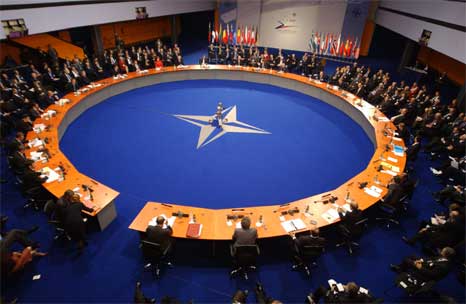
NATO meeting in Prague

NATO leaders and the heads of state of seven candidate countries meet Nov. 21 in Prague. (NATO photo)
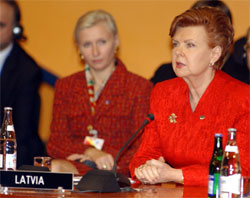
Vaira Vīķe-Freiberga

Latvian President Vaira Vīķe-Freiberga speaks during the Nov. 21 NATO summit meeting in Prague. (NATO photo)

Andris Straumanis is a special correspondent for and a co-founder of Latvians Online. From 2000–2012 he was editor of the website.

Let those in Latvia decide Nov. 18 meaning

To me, the meaning of Latvia’s Independence Day today is very different to what is was when I was growing up.

As a child of post-war Latvian refugees I too attended “Saturday School” where we learnt about Latvian language, culture and our heritage. It was our duty to attend—we were the future.  We had to keep alive the idea that Latvia could again regain its independence and be a free, independent nation.

Year after year, our elders would at the time of Nov. 18 retell the stories of how Latvia regained its independence in the post-World War I period and how, in the following years, people would celebrate the day. We would each go and place flowers and candles at the feet of a large photo of “Milda” (Latvia’s Freedom Monument). We would listen to recordings of the ringing bells of Rīga’s cathedrals and churches.

As a child I would look forward to the celebrations as we would each get a tub of ice cream to mark the event. But I could not help but feel that for the adults and our elders the day was always tainted with sadness.

In those days, the marking of Independence Day had some sort of personal meaning. Even though I was born and raised in Australia, had never been to Latvia and only knew of the place through what I had learnt at language school and through the stories of my grandparents, I felt personally touched, personally responsible, for making sure that in spite of it all the day would be marked and not forgotten. In my late teens (before Latvia regained its independence) I would attend the events, filled with a sort of nationalistic pride, thinking that we must never forget the dream and that we must ensure that Latvia does regain what it once had.

Today, now that Latvia has regained its independence, the meaning of Independence Day as it used to be seems somewhat redundant. The flame has been handed back to those living in Latvia. The job of the diaspora is done.

No longer do I have a personal sense of duty that the day must be marked and remembered. It has been a number of years since I attended one of the official ceremonies held every year at the Latvian House. It’s not that I have forgotten Latvia or that I am Latvian. I have travelled to Latvia five times and keep in contact with relatives there. I still consider myself part of the Latvian community as many of my closest friends are Latvian and I am married to a person of Latvian heritage. It’s just that since Latvia regained its independence, the celebrations of Nov. 18 hold little or no meaning to me.

In some ways I have fallen to the fate of my fellow Latvian emigres and their descendants. Ever since Latvia regained its independence we are forced to re-invent ourselves—our reason for collective existence—as well as the meaning of Nov. 18. It could be said that Nov. 18 can finally become a true celebration as Latvia is now generally regarded as a free and thriving democracy.

And if we have handed back the flame, is it not up to now up to the people of Latvia to define the true meaning of Nov. 18?  Who is to say that Latvia’s independence needs to be celebrated on Nov. 18? Maybe the date should be changed to some time in August when Latvia regained its independence and the world community recognised that it had done so. Either way, it is not up to those outside of Latvia to decide.

Prezidentes apsveikums tautiešiem ārzemēs

Es sveicu visus, kas šodien ir pulcējušies Latvijas Republikas Neatkarības pasludināšanas 84.gadadienā. Šis laiks mums nāk ar rudens lietavām un vētrām, ar ziemas tumsu, kad dienas paliek arvien īsākas un šķiet, ka tumsa ņem uzvar pār gaismu. Bet latviešu tautai tie ir prieka un gaismas svētki, jo atgādina par to, ka par spīti tumsas spēku uzbrukumiem, pārspēkam, mēs spējām savu neatkarību izcīnīt. Un spējām arī to atjaunot, kaut arī pagājis bija tik ļoti ilgs laiks svešā kalpībā un okupācijā. Mūsu sapņi ir piepildījušies, bet ne visi. Mums daudz kas vēl jādara, lai tie piepildītos.

Šoruden aprit arī astoņdesmitā gadskārta Valsts prezidenta institūcijai. Prezidents – tas ir neatkarīgas valsts autoritātes simbols, un to saprot pat bērni. Pakļautām zemēm var būt gubernatori, vietvalži, satrapi, vasaļi, padotie, pārvaldītāji; prezidents ir tikai suverēnai, neatkarīgai valstij.

Mēs kā neatkarīga valsts patlaban stāvam vēsturisku pārmaiņu priekšā. Šo pašu rudeni, pēc dažām dienām, nāks paziņojums Prāgas galotņu konferencē par NATO paplašināšanos, un mēs ceram, ka tas būs mums labvēlīgs. Drīz vien, decembra nogalē, gaidām citu paziņojumu, un tas būs Eiropas Savienības paziņojums par 10 jaunu dalībvalstu uzņemšanu. Mēs ceram būt šo valstu starpā. Latvija ir nostaigājusi ļoti garu un ļoti grūtu ceļu. Mēs esam apbrīnojami daudz ko sasnieguši. Paši bieži vien pat neapzināmies, cik daudz ir sasniegts, cik daudz jau ir paveikts. To ir novērtējušas citas valstis. To ir novērtējuši tie, kam rūp vai ES, vai NATO kā alianse –  vai drīkst uzņemt tādu valsti kā Latviju, vai tā neapdraudēs viņu drošību, vai tā nevājinās viņu spēku. Un tas, ka šīs starpnacionālās savienības ir gatavas mūs uzņemt, un es esmu pārliecināta, ka viņas tādas būs, jau ir apliecinājums mūsu noietam un nostaigātam ceļam, tas ir apliecinājums tam, ko mēs esam jau paveikuši.

Bet, protams, ar uzaicinājumu mūsu ceļš nebūt nebūs vēl galā, mums būs daudz kas vēl jādara un jāturpina pūlēties un daži saka, pēc uzaicināšanas gan NATO, gan ES daudz kas būs jādara vēl spraigāk un vēl enerģiskāk, nekā tas ir darīts līdz šim. Un tā ir labi, jo galu galā mēs vēlamies panākt visu to, kas pusgadsimta laikā ir aizkavēts, mēs vēlamies salabot un sakārtot visu to, kas valsts pārvaldes institūcijās, kas sabiedriskā kārtībā vēl nav tāds, kādu mēs to vēlētos redzēt. Mums daudz vēl ir darāms, lai Latvijā valdītu taisnīga tiesa un viens likums visiem. Mums daudz vēl ir darāms, lai valsts kasē ieplūstu visi tie līdzekļu, kuriem tur būtu jānonāk pēc likuma gara un burta. Mums daudz vēl ir darāms, lai katrs sabiedrības loceklis justos kā daļa no Latvijas valsts un saprastu, ka viņa nākotne un viņa labklājība ir atkarīga no kopības labuma, no kopības labklājības, ka neviens nevar dzīvot atšķirts no citiem, ja citiem ir grūti, tad neviens nevar cerēt turpināt savu personīgo labklājību. Man šķiet, ka mūsu valstī lēnām nostiprinās šī izpratne par to, ka valstij jāvalda pārticībai visos tās līmeņos un tām ļaužu grupām, kas nespēj pašas sev nodrošināt iztiku, par tām ir jārūpējas valstiskā līmenī, mums ir jāgādā par slimiem, par invalīdiem, par pensionāriem, mums ir jāgādā par to, lai katrs amats un katra profesija varētu saņemt sev pienācīgu algu, tādu, kas būtu taisnīga, kādu viņi būtu pelnījuši pēc iegūtās izglītības un ieguldītām spējām. Mums ir daudz kas vēl darāms, un it sevišķi mūsu ciemos un mazpilsētās, Latvijas laukos. Daži sūdzas – Rīga ir kļuvusi grezna, Rīga jau ir gluži kā citas Eiropas valsts galvaspilsētas, bet kā ir ar mūsu laukiem?

Jā, tur daudz kas vēl darāms, un es ceru, ka visi tautieši, vienalga, kurā pasaules malā kur viņi dzīvotu, šeit varētu nākt palīgā. Vai tas būtu turpināts atbalsts, kā daudzi to ir snieguši savas dzimtās puses skolai vai slimnīcai, vai pagastam, vai tas būtu, aicinot cittautiešus sadarboties ar mūsu pašvaldībām, vai arī savā profesijā, daloties ar savu pieredzi un izpratni par problēmu būtību. Tas viss var palīdzēt Latvijai, un es vēlos vēlreiz pateikties visiem tautiešiem, kas ar savu personīgo ieguldījumu ir palīdzējuši saviem tautas brāļiem Latvijā, vai kā nevalstiskas organizācijas ir sadarbojušās ar savām atbilstošām organizācijām šeit Latvijā, un es zinu, ir veikušas ļoti lielu un svētīgu darbu. Es novēlu visiem tiem, kam Latvija ir mīļa, paturēt viņu savās sirdīs un lūgšanās. Es novēlu katram meklēt ceļus, kā viņš var uzturēt savas saites ar Latviju. Jūs visi piederat Latvijai, bet savā ziņā arī Latvija Jums pieder. Es aicinu visus nākt mums talkā, lai mēs celtu šo valsti par diženu, par cēlu, par tādu, kādu mēs vēlētos to redzēt. Dievs, svētī Latviju!