Sasniegusi sešu gadu vecumu, Spicīte dodas pasaulē

Tieši pirms sešiem gadiem aprīlī Latvijā iznāca pirmais žurnāla Spicīte numurs ar pieteikumu – palīgs burtot un skaitītprasmes apgūšanā. Tā atšķīrās no pārējiem žurnāliem ar to, ka žurnāla galvenā varone Spicīte kopā ar lasītājiem iejūtas visdažādākajās dzīves situācijās, mācās iepazīt Latvijas dabu, bet pats galvenais – dod iespēju ņemt rokā zīmuļus, šķēres un līmi un darboties tieši žurnāla lapaspusēs. Neatņemama žurnāla sastāvdaļa ir žurnāla Spicīte radošie un izzinošie konkursi, kuros parasti piedalās visa ģimene vai arī bērni kopā ar savām skolotājām pirmskolas izglītības iestādēs.

“Dienā, kad mūsu mājā reizi mēnesī ienāk Spicīte, vismaz uz pāris stundām iestājas klusums un miers, vien satraukta elpa un papīra skaņa pāršķirot kārtējo lapu”, tā žurnāla redaktorei raksta bērnu mammas. Savukārt pirmskolas iestāžu un sākumskolas pedagogi atzīst, ka Spicīte ir vērtīgs palīgs skolotāju darbā.

Īsi pirms žurnāla dzimšanas dienas ir piepildījies galvenās redaktores un radītājas Ināras Pomeres sapnis – Spicīte dodas pasaulē. Tas noticis pateicoties Dainai Grosai, vienai no mājas lapas Latvians Online dibinātājām un nenogurdināmai latviešu valodas atbalstītājai.

Daina Grosa par SPICĪTI saka tā: “Žurnāls Spicīte jau vairākus gadus ir devis prieku Latvijas pirmsskolas vecuma bērniem un viņu vecākiem. Nodarbības un stāstiņi ir vienkārši un interesanti. Galvenais, te nemaisās Disneja varoni un te nav pasaules komerciālisma pieskaņas. Mīļi un latviski bērns kopā ar pieaugušo var darboties žurnāla lappusēs. Tāpēc arī radās ideja, ka šo jauko žurnālu vajadzētu padarīt pieejamu ne tikai bērniem Latvijā, bet visiem latviešu bērniem pasaulē. Ārpus Latvijas latviešu bērni mācās latviešu skoliņās un kāpēc gan lai viņiem nevarētu būt iespēja izaugt kopā ar Spicīti? Gan Latvijā, gan vēl jo vairāk ārpus tās, skolotājiem trūkst saistoša mācību palīgmateriāla, ko var izmantot stundās, īpaši bērniem ar vājākām valodas spējām. Tagad, ar iespēju Spicītes arhīva materiālus aplūkot un izdrukāt no interneta, dosim latviešu valodas skolotājiem plašajā pasaulē vēl vienu vērtīgu mācību resursu. Ceru, ka skolotāji to arī izmantos un ka bērniem patiks!”

Saite uz žurnāla Spicīte numuriem, kas parādās Latvians Online mājaslapā: latviansonline.com/library/spicite.

Daina Gross is editor of Latvians Online. An Australian-Latvian she is also a migration researcher at the University of Latvia, PhD from the University of Sussex, formerly a member of the board of the World Federation of Free Latvians, author and translator/ editor/ proofreader from Latvian into English of an eclectic mix of publications of different genres.

Made-for-TV film shot in Rīga airs April 19

A made-for-television movie filmed last year in Rīga, about a Polish woman who saved 2,500 Jewish babies and children from the Warsaw Ghetto, premieres April 19 in the United States.

The Courageous Heart of Irena Sendler tells the true story of Catholic social worker Irena Sendler, who is credited with organizing an effort to smuggle young Jews out of the Warsaw Ghetto during World War II.

The movie, part of the “Hallmark Hall of Fame” series, airs from 9-11 p.m. Eastern and Pacific times on the CBS network, according to a Hallmark press release.

Filming of The Courageous Heart of Irena Sendler began during a cold and snowy November in Rīga, which the movie’s creators found offered settings that resembled what Warsaw, Poland, might have looked like 60 years ago.

Sendler was arrested in 1943 by the Gestapo and sentenced to death, but was freed when the Polish resistance movement bribed a guard. She was nominated for the Nobel Peace Prize in 2007. Sendler died at age 98 in May 2008.

Canadian actress Anna Paquin portrays Sendler. The movie also stars Marcia Gay Harden, who plays Sendler’s mother, and Goran Visnjic, who portrays a friend who helps Sendler with the smuggling operation.

About 2,000 Latvian actors and local residents were hired for the production, according to andrejsala.lv, the Web site of the developer of the Andrejsala district in Rīga, where much of the filming took place. Most prominent is Latvian child actor Sergejs Marčenko, who plays Jasio. But other Latvians are not in leading roles. For example, Jānis Reinis, who played the lead character Mārtiņš in the 2007 feature film Rīgas sargi, appears in The Courageous Heart as an SS officer.

The newspaper Diena reported that filming on the USD 10 million production continued into December. Filming took place in several venues in Old Rīga and Andrejsala. One visitor to the CBS network’s Web site about The Courageous Heart of Irena Sendler noted a continuity error: As Sendler leaves a building and bids goodbye to her friend, the blue sign of the modern DnB Nord bank can be seen in the background.

The film is based on the book The Mother of the Holocaust Children by Anna Mieszkowska. Director of the movie is John Kent Harrison.

The Courageous Heart of Irena Sendler

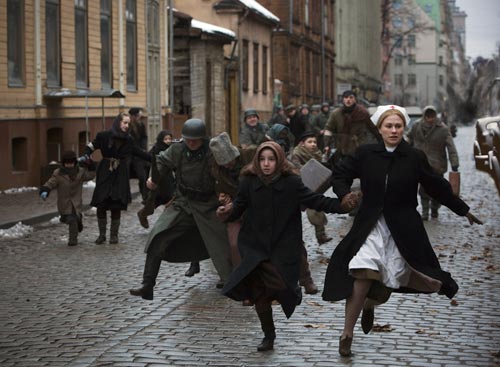
Polish social worker Irena Sendler, portrayed by Canadian actress Anna Paquin, leads a Jewish child (Rebecca Windheim) away from German soldiers in a scene filmed in Rīga. (Photo by Erik Heinila, courtesy of Hallmark)

Andris Straumanis is a special correspondent for and a co-founder of Latvians Online. From 2000–2012 he was editor of the website.

Coffee table book shows two days in Latvia

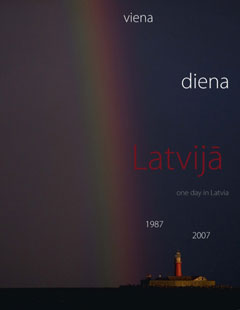
Viena diena Latvijā

One of the most ambitious artistic projects in the dying days of Soviet Latvia was “Viena diena Latvijā” (One Day in Latvia), held on Aug. 31, 1987, and organized by photographers Jānis Krūmiņš, Ints Kalniņš and Gunārs Janaitis. Seventy-four photographers from many different countries were sent out all over Latvia, simply to take pictures of things that were happening on that day.

The project resulted in more than 34,000 negatives—a staggering number. Unfortunately, because of a lack of hard currency, the pictures were never published. For 20 years, the pictures were stored at the Rīga Museum of History and Shipping. Though the pictures did not get published, the event was a milestone, as some of the photographers come from outside of the Soviet-influenced world (from countries such as Finland and West Germany), and even were allowed to photograph in places that normally would be well off limits to foreigners.

To commemorate the 20th anniversary of the event, the project was repeated on Aug. 31, 2007, this time with 55 professional photographers (31 from Latvia and 24 international), as well as 120 guest photographers, and every Latvian was even invited to submit pictures, resulting in half a million images.

Highlights of both days are collected in the coffee table book Viena diena Latvijā. 1987-2007 (One Day in Latvia, 1987-2007), a mammoth collection that gathers just a small fraction of all the photographs taken.

About 25 percent of the book is pictures from 1987, the rest from 2007. Most all of the pictures from 1987 are in black-and-white, while the 2007 collection is mainly in color.

Most of the pictures are candid snapshots of a way of life or of a moment in time. Highlights from the 1987 collection include a picture by Estonian photographer Viktors Rudjko of passengers on a bus in Valka (a border town on the Estonian border), in which we see people reading four different newspapers: a Russian-language paper about Estonia, the Latvian papers Cīņa and Padomju Jaunatne, and Pravda. In a picture by Irina and Viktors Kolpakovs, postal worker Anna Liepiņa of Preiļi seems to be sharing a newspaper with her horse. There are also historically significant photos of a period that seems to be a lifetime away, such as the shot by Vilhems Mihailovskis of a long line of people at a grocery store in Daugavpils. A picture by Leons Balodis shows Krišjāņa Barona Street in Rīga, which in many ways is unrecognizable compared to the street today.

Favorites from the 2007 event include the picture by Varis Sants of Imants Albrehts and Vilma Feldmane, both legless residents at the Rokaiži Social Care Center in Liepāja. Ainārs Šlesers, then the transport minister, appears in a photo by Andris Eglītis with a rather surprised look on his face. Ilmārs Znotiņš photographed the meat inspection room in the Rīga Central Market, with a line of pig snouts awaiting review. A picture by Oļegs Zernovs of the Latgale liberation monument “Latgales Māra” in Rēzekne captures the statue in profile and under a nearly full moon.

These are just a few of the thousands of photographs in this impressive collection. Even more pictures may be viewed on the project’s official Web site, www.vienadiena.lv.

Not all pictures were taken in Latvia. For example, a picture by Oskars Lejnieks shows the Latvian unit located in Afghanistan. Another photo shows rock group Prāta vētra on the road to St. Petersburg.

All photos are captioned in Latvian and in English, and there are statements from the main organizers that are also translated into English.

This hefty book (with a hefty price tag of LVL 49.99) provides a fascinating look through Latvia in the final years of Soviet occupation, as well as almost 20 years after regaining its freedom. The differences in certain ways are striking, but in certain ways many things have not changed at all. The book provides endless hours of browsing. Many of the pictures have a depth to them, relating a detailed story of some kind. It is truly an inspiring project, offering an intriguing travel back in time to 1987 and what Latvia was like then, as well as a kaleidoscope of the varied facets of the country in 2007.

Details

Viena diena Latvijā, 1987-2007

Ilmārs Znotiņš, photo editor

Rīga:  Vienadiena.lv and Jāņa Rozes apgāds,  2008

ISBN 978-9984-23-285-0

Egils Kaljo is an American-born Latvian from the New York area . Kaljo began listening to Latvian music as soon as he was able to put a record on a record player, and still has old Bellacord 78 rpm records lying around somewhere.