Grāmata par gleznotāju Jāni Osi

Monogrāfija Jānis Osis. 1926-1991 veltīta vienam no talantīgākajiem pēckara paaudzes māksliniekiem Jānim Osim, kuru var uzskatīt par Dieva dotu talantu, kurš varēja gleznot kā ainavas, tā industriālus motīvus – viss zem viņa otas pārvērtās par vīrišķīgas romantikas pilnu stāstu par dzīvi Baltijas jūras krastā. Diemžēl viņa dzīves laikā par viņu tika maz rakstīts, šī ir pirmā nopietnā publikācija.

Osim piemita izsmalcināta tonālā krāsu izjūta. To pamanīja jau viņa diplomdarbā “Latvijas zvejnieki” (1951), kas atnesa jaunajam māksliniekam popularitāti visā bijušajā Padomju Savienībā. Tas uz Staļina laika izskaistinātās, sacukurotās un samākslotās mākslas fona izcēlās ar dabiskumu, neuzspēlētu dzīvesprieku, svaigumu zvejnieku tēmas risinājumā (patiesībā – visā pagājušā gadsimta 50.gadu mākslā, bet jo īpaši figurālajā glezniecībā), materialitāti, spirgto dabas atmosfēru un izsmalcinātu kolorītu.

Zvejnieku tēma, ainava un portreti – lūk, kas Osi saistīja mākslā. Kopš 20.gs. 70. gadiem mākslinieka gleznas ir tonāli skopas (viņš lietoja pārsvarā tikai trīs krāsas un to nianses), pazuda naturālisms, tām piemita vienkārša kompozīcija, dabiskums, bieži vien bija skičveidīgas, vienmēr pilnas iekšējas enerģijas, neraugoties uz kompozīcijas un figūru statiskumu.

Monogrāfijas autore Ilze Konstante izseko Oša dzīves un daiļrades līkločiem kontekstā ar laikmeta liecībām – dokumentiem. Viņa nebaidās pieskarties gleznotāja intīmās dzīves atsevišķām lappusēm. Tas izdarīts ar lielu pietāti pret mākslinieku.

Grāmata ir bagātīgi ilustrēta ar fotogrāfijām un krāsainām gleznu reprodukcijām. Publicēts arī Oša darbu zinātniskais katalogs, skrupulozi sastādīta bibliogrāfija un izstāžu saraksts, kā arī dzīves gājums. Grāmātu nesen Rīgā izdeva Neputns.
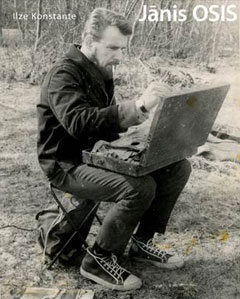
Jānis Osis

Ilzes Konstantes monogrāfija ir pirmā nopietnā publikācija par mākslinieku Jāni Osi.

Māris Brancis ir mākslas vēsturnieks un autors, vairākus gadus bija Latvijas Valsts arhīva Personu fondu un trimdas dokumentu daļas vadītājs.

White House nominates next ambassador to Latvia

A resident of Virginia who is a career diplomat has been nominated by President Barack Obama to be the next U.S. ambassador to Latvia.

Judith Gail Garber, a deputy assistant secretary in the State Department’s Bureau of European and Eurasian Affairs, was nominated June 25, a White House spokesperson announced. She has been in her current post since October 2007, overseeing bilateral relations with Baltic, Nordic and Central European countries, according to her State Department biography.

Garber’s nomination must still be confirmed by the U.S. Senate.

Before becoming a deputy assistant secretary, Garber was director of the Office of North Central Europe. As director, Garber visited Rīga in November 2007 to meet with government officials, according to the Latvian Ministry of Foreign Affairs. Prior to joining the bureau, according to the State Department, Garber was director for development finance in the Economic Bureau, where she worked on development policy and donor coordination issues.

Garber’s overseas postings have included Spain, the Czech Republic, Mexico and Israel.

Before joining the State Department, Garber worked at the Board of Governors of the Federal Reserve and at the Treasury Department. She has a bachelor’s degree from Georgetown University in Washington, D.C. Garber is married and has two children.

Garber would become the seventh ambassador to Latvia since the country regained independence in 1991. Garber would replace Charles W. Larson Jr., whose short tenure ended Jan. 20 when Obama took office. Since Larson’s departure, Deputy Chief of Mission Bruce Rogers has served as chargé d’affaires in the U.S. Embassy in Rīga.

Previous ambassadors have included Ints Siliņš (1992-1995), Larry Napper (1995-1998), James Holmes (1998-2001), Brian E. Carlson (2001-2004) and Catherine Todd Bailey (2005-2008).

Andris Straumanis is a special correspondent for and a co-founder of Latvians Online. From 2000–2012 he was editor of the website.

Traffic deaths show sharp decline

The number of people killed in Latvian road traffic accidents dramatically decreased last year, but the country still has one of the highest death rates in Europe, according to a report from the Brussels-based European Transport Safety Council (ETSC).

Traffic deaths in Latvia dropped 25 percent from 2007 to 2008, according to the ETSC. Data from the Latvian government’s Road Traffic Safety Directorate (Ceļu satiksmes drošības direkcija, or CSDD) show that 316 persons were killed last year, compared to 419 in 2007.

“The reduction in road deaths in 2008 can be partly attributed to reduced traffic volume following the recent economic recession and relatively high petrol prices earlier in the year,” the ETSC said in its report.

The highest number of traffic deaths in Latvia in one year, 923, was recorded in 1991.

Since 2001, traffic deaths in Latvia have dropped 43 percent. As a result, the nation earned a 2009 Road Safety PIN (Performance Index) Award during the ETSC’s recent conference in Brussels, the council announced in a June 22 press release.

Across the 27 member states of the European Union, about 39,000 people were killed in traffic accidents last year. The number is far from the goal of just 27,000 fatalities the European Union set in its road safety target, which calls for cutting the number of traffic deaths by half from 2001 to 2010. About 55,000 people died in European traffic accidents in 2001.

Sweden, the Netherlands and the United Kingdom are the safest countries in the EU, based on the number of fatal accidents per 1 million inhabitants, according to the ETSC. Sweden recorded a rate of 43 per 1 million in 2008. (Malta had a lower rate, 37 deaths per million, but the ETSC noted that special conditions exist in the country that affect the number.)

Latvia, which in 2001 had the worst record (234 deaths per 1 million inhabitants), recorded 139 fatalities per million inhabitants in 2008. That rate remains high, according to the ETSC, considering the average across countries tracked in the index last year was at 78 deaths per million.

One of the most important measures in reducing fatalities in Latvia was the introduction in 2004 of a penalty point system for drivers, Aldis Lama of the CSDD said in the ETSC’s report.

Lithuania now has the worst traffic death rate, recording 148 deaths per 1 million inhabitants. Estonia had 98 deaths per million, according to the ETSC.

Andris Straumanis is a special correspondent for and a co-founder of Latvians Online. From 2000–2012 he was editor of the website.