Pasaules brīvo latviešu apvienības (PBLA) skolotāju seminārs notika šī gada 12. un 13. jūlijā, korporācijas Selonija telpās Rīgā. Šīs divas dienas daudz neatšķīrās no citām jūlija dienām, pārsniedzot +30 grādu, bet karstums nemazināja ne dalībnieku skaitu, ne spraigumu semināra nodarbībās.
12. jūlija rīts iesākās ar dalībnieku reģistrāciju – kopā 59 dalībnieki no 18 valstīm (Austrālijas, ASV, Kanādas, Austrijas, Zviedrijas, Lielbritānijas, Īrijas, Igaunijas, Lietuvas, Vācijas, Šveices, Itālijas, Dānijas, Nīderlandes, Beļģijas, Ungārijas un Latvijas). Visu dienu darbojās arī grāmatu tirdziņš, kur varēja iegādāties mācību grāmatas un materiālus, kā arī bija iespēja iepazīties ar jaunām datorprogrammām latviešu valodas apgūšanai.
Tad sekoja Daces Copeland (PBLA Izglītības padomes priekšsēde) ievadvārdi. Viņa no sirds pateicās Dainai Grosai (Izglītības padomes priekšsēdes vietniece, sadarbība ar Latviju) par lielo darbu šī semināra rīkošanā, jo noorganizēt kaut ko tik saistošu un tādā kapacitātē nav vienas nedēļas, vai mēneša darbs. Tad Copeland iepazīstināja dalībniekus ar Izglītības padomes pēdējo piecu gadu paveiktajiem darbiem, kuri pierāda, ka sākotnējais mērķis 1976. gadā izveidotajai Izglītības padomei – uzturēt latviešu valodu trimdā – nav mazinājis savu aktualitāti arī šodien, tikai vārds “trimda” ir nomainīts uz “diaspora”. Ir izdotas vairākas mācību grāmatas un darba burtnīcas, ir izveidota plaša PBLA Izglītības padomes mājas lapa, tiek veidoti konkursi un rīkoti semināri un kursi skolotājiem.
Grosa savukārt pastāstīja, ka tik daudz latviešiem pēdējos gados izbraucot no Latvijas, un veidojot latviešu sestdienas un svētdienas skolas, kā arī mācot latviešu valodu, kā priekšmetu augstskolās plašajā pasaulē ir nepieciešams sanākt kopā, pārspriest vajadzības un īpatnības, kas saistītas ar latviešu valodas mācīšanu gan kā svešvalodu, gan kā dzimto valodu reizi nedēļā, reizi divās, vai pat reizi mēnesī. Visās pārstāvētajās valstīs kaut kādā kapacitātē var mācīties latviešu valodu! Mums vajag ar to tikai lepoties un nekad nenokārt galvas, ka latviešu valoda nav līdzvērtīga citām valodām. Bet galvenais, mums arvien vairāk jāsaprot, ka pie latviešu valodas uzturēšanas ārpus Latvijas dzīvojošajiem ir nenogurstoši jāpiestrādā un ka visi tie, kas kaut uz īsu laiku izbrauc no valsts nevar “gulēt uz lauriem” un domāt, ka latviešu bērniem latviešu valodas spējas automātiski paliks tajā pašā līmenī, kādas tās bija, izbraucot no Latvijas. Organizējot semināru tika ņemtas vērā dalībnieku iepriekš minētās vēlmes un programma tika veidota pēc iespējas daudzveidīga, ar uzsvaru uz praktiskām nodarbībām, ko katrs varēs ņemt līdzi kā ceļa maizi uz savām mītnes zemēm.
Nākamās runātājas bija pārstāves no Latviešu valodas aģentūras (LVA). Dace Dalbiņa pastāstīja, ka Latviešu valodas aģentūra ir izveidota 2009. gada 1. jūlijā, reorganizējot Valsts valodas aģentūru, kas rūpējās par latviešu valodu kā dzimto valodu un Latviešu valodas apguves valsts aģentūru, kuras rūpala bija latviešu valoda kā otrā valoda. Tās mērķis ir veicināt latviešu valodas – Latvijas Republikas valsts valodas un Eiropas Savienības oficiālās valodas – statusa nostiprināšanu un ilgtspējīgu attīstību. Un tā ir izglītības un zinātnes ministra pārraudzībā esoša valsts pārvaldes iestāde. Apvienošanas rezultātā tika zaudēti 40% darbinieku un 52% finansējuma, kaut tika saglabātas visas aģentūras funkcijas, attiecīgi daudzas ieceres vēl ilgi netiks īstenotas, gaidot savu kārtu. Galvenie LVA projekti ir metodisko materiālu veidošana un skolotāju tālākizglītības kursi.
Daina Laganovska savukārt iepazīstināja tuvāk tieši ar diasporu saistītām aktualitātēm. Lai sasniegtu savu mērķi – palīdzēt tautiešiem ārpus Latvijas latviešu valodas apguvē un saglabāšanā, nodrošinot profesionālu metodisko atbalstu, LVA jau kopš 2005. gada nodrošina skolotāju darbību Krievijas latviešu skolās, kur latviešu valodu pasniedz kā reālu priekšmetu vietējās skolās. Tiek rīkota skolotāju intensīva, 36 stundu sagatavošana šim darbam, bet skolēni gada beigās liek prasmju pārbaudi. Rezultātā ir veicināta latviskās piederības sajūta un etniskā pašapziņa Krievijas latviešiem, veicināta kultūras sakaru attīstība un sadarbība ar Krievijas Federāciju, uzlabota skolotāju sagatavotība darbam ar latviešu diasporu un ir izveidota bāze diasporas izglītības speciālistu mācību kursa saturam.
Par pētījumu “Valodas lietojums diasporā: citu valstu prakse un Latvijas rīcībpolitikas izvērtējums” runāja vēl divas LVA pārstāves – Gunta Kļava un Kristīne Motivāne. Kļava iepazīstināja ar šī pētījuma mērķi, kas bija noskaidrot jau pastāvošo praksi nacionālās identitātes stiprināšanai diasporā un to, kā tiek stiprināta emigrantu saikne ar dzimteni citās Eiropas Savienības (ES) valstīs – Grieķijā, Čehijā un Lietuvā. Salīdzinot citu valstu praksi un pieredzi ar Latvijas situāciju, noskaidroti veiksmīgākie modeļi un ceļi latviešu diasporas saistības ar Latviju un piederības sajūtas savai etniskajai dzimtenei nostiprināšanai. Pētījumā piedalījās galvenokārt Īrijas latvieši, gan aizpildot elektroniskās aptaujas, gan sniedzot intervijas.
Motivāne turpināja ar detalizētu ieskatu aptaujas rezultātos, kur viena tabula nomainīja otru, sniedzot ziņas par aptaujāto cilvēku vecumu, dzimti, dzīves vietu, ārpus Latvijas pavadītajiem gadiem, izglītību un nodarbinātību, valodu lietojumu mājās un citur un kādu atbalstu aptaujātie sagaida no Latvijas. Informāciju par šo pētījumu var iegūt www.valoda.lv. Sasāpējis jautājums, ko izraisīja Motivānes beigu komentārs izraisīja spraigas debates – “Kā notiek pārnākušo bērnu integrācija jaunajā skolā, Latvijā”? Cits runāja no savas pieredzes, cits no dzirdētiem nostāstiem, taču beigās dalībnieki nonāca pie secinājuma, ka principā vienotas pieejas nav, katra skola rīkojas pēc saviem ieskatiem.
Pēc kafijas pauzes bija divas iespējas. Vai nu sekot līdzi paneļdiskusijai (Una Auziņa (Latvija), Laila Grīnberga (Lielbritānija), Rita Pelēce (ASV), Helga van Slogteren (Nīderlande) un Karīna Jaunalksne (Austrālija)), par to kā dažādās skolās tiek galā ar atšķirīgiem valodas līmeņiem, kam sekoja Ivetas Asones (ASV) tautas deju mācīšana bērniem. Vai arī noklausīties Andras Zommeres (ASV) izsmeļošajā stāstījumā par to, kā izveidot skolas struktūru un kultūru. Domāju, ka daudziem šīs lekcijas klausītājiem, tāpat kā man, acis atvērās izbrīnā un mute palika vaļā, cik loģiski un pašsaprotami bija visi Zommeres stāstījuma punkti, ko varbūt ikdienas steigā ne katra skoliņa atceras un piekopj. Cik daudz vieglāk ir strādāt un sasniegt rezultātus, ja skolotājiem, vecākiem un skolēniem ir nosprausts viens un tas pats mērķis. Cik svarīga ir noteikta un konsekventa secība, kādā tiek pieņemti jebkuri ar skolu saistītie lēmumi. Cik daudz pārpratumu izpaliktu, ja ikviens jaunpienācējs, gan skolnieks un viņa vecāki, gan skolotājs tiktu kārtīgi iepazīstināts ar skolas principiem, saviem pienākumiem un atbildību. Te nosaucu tikai dažus visspilgtāk prātā palikušos punktus, bet par visu kopā varu tikai izsaukties – Kāpēc man neviens agrāk visu šo informāciju nebija tik smuki salicis pa plauktiņiem?!
Pēc pusdienām trīs melburnieši, Karīna Jaunalksne, Valda Jefimova un Andris Ziedars, klāstīja par mācību metodēm un skolēnu domāšanu, kā arī dalījās ar savu pieredzi kā panākt, lai skolēni aktīvi piedalītos mācību stundās, padomājot gan par kautrīgajiem un palaidnīgajiem skolēniem. Lai jaunā informācija labāk iesēstos mūsu galvās, dalībnieki tika sadalīti 9 grupās, un katrai grupai iedeva tematu un veidu, kādā bija jāmāca dotais temats. Piemēram, vienai grupiņai bija jāmāca neliela daļa no Latvijas vēstures – PSRS sabrukšana un Latvijas otrā neatkarība, lietojot asakas metodi. Tas nozīmē, ka zivs astē ir laikaposma sākums un galvā beigas, bet pa vidu asakveidā ieraksta svarīgākos notikumus un cilvēkus, kas iespaidoja beigu rezultātu.
Otrdien, 13. jūlijā, pirmā runātāja bija Ilze Ostrovska (Austrālija, Adelaide), kas iepazīstināja pārējos dalībniekus ar Annas Ziedares Vasaras Vidusskolas (VV) darbību un savām pārdomām par VV lomu latviskā audzināšanā un kāpēc tā vēl pēc 36 gadiem tik veiksmīgi ir spējusi darboties. Viņa uzsvēra trīs, pēc viņas domām, svarīgākos punktus: 1. Tas ir tā kā atalgojums, students ir it kā saņēmis caurlaidi piederēt tādai kā elitārai grupai, jo visu pamatskolu ir cītīgi mācījies un apguvis latviešu valodu. Jāatzīmē, ka visi latviešu pamatskolas beidzēji automātiski neiet tālāk uz VV, ja viņiem nav pietiekami laba latviešu valoda, lai varētu sekot līdzi VV macību programmai. 2. VV katram studentam ir iespēja izcelties. Neviens nepaliek par pelēko masu, jo no visa tā, ko VV piedāvā, ikviens var atrast sirdij tuvu aizraušanos, kas padodas. Ja students nav izcils mācībās, tad varbūt būs labs sportā. Ja prievīšu siešana liekas garlaicīgākā nodarbošanās pasaulē, tad ir iespēja atklāt savu aktiera talantu. VV beigās par katru no dalībniekiem (slavenībām) var izlasīt žurnālā, kura sagatavošanā arī var piedalīties studenti izmēģinot pirmos žurnālistikas soļus. 3. Draugi. VV ir veiksmīgi radītas situācijas, kurās pat kautrīgākajiem studentiem ir dota iespēja atrast kopēju valodu un sadarboties ar gandrīz visiem citiem VV dalībniekiem. Studentam ir savas klases jauniešu grupiņa, tad ir citi jaunieši darba grupā un pavisam citi interešu grupās.
Svarīgu lomu VV darbībā spēlē visas latviešu sabiedrības atbalsts. Latviešu organizācijas sniedz finansiālu atbalstu, privātpersonas ziedo savu laiku un zināšanas. Kāpēc? Pēc Ostrovskas domām, latviešu organizācijas saprot, ka VV ir tā vieta, no kurienes nāk liela daļa potenciālo organizāciju biedru un vadītāju. VV jaunieši apgūst, protams, pašiem neapzinoties, organizēšanas un vadīšanas prasmes. Labs piemērs ir 4. klases balle, kuru ceturtklasnieki paši saviem spēkiem dabū organizēt. Sākot ar tēmas izdomāšanu, reklamēšanu, izdevumu aprēķināšanu, zāles dekorēšanu, vakara aktivitāšu plānošanu un pašas balles vadīšanu. Bet tie jaunieši, kuri vēlāk atgriežas VV jau kā audzinātāji, tie vēl tālāk attīsta savas vadītāja iemaņas, jo tad nu ir jāspēj darboties kā līderim.
Nākamā runātāja, Indra Halvorsone (ASV), stāstīja par ASV Miera korpusa latviešu valodas programmu. Šī intensīvā programma apvienoja divas ļoti dažādas mācību metodes – dabīgo un “drill”, kas veicināja latviešu valodas apgūšanu ļoti īsā laika posmā. Indra arī praktiski parādīja semināra dalībniekiem kā šī metode darbojas un mācīja jaunu, pašizgudrotu valodu.
Evija Veide (izdevniecības Jumava galvenā redaktore) savukārt pastāstīja par jaunākajiem izdevumiem latviešu valodas apguvei, kas ir tapuši sadarbojoties un uzklausot bērnu dārzu audzinātājas, kā arī Jumavā strādājošās mammas. Viņa aicināja uz sadarbību visus klātesošos, lai pēc iespējas labāk varētu aizpildīt robu diasporas latviešiem vajadzīgiem mācību materiāliem.
Žurnāla Spicīte redaktore Ināra Pomere ātri pastāstīja par žurnāla tapšanas vēsturi. Ka vecākiem ir savi žurnāli, jauniešiem savi, bet bērniem nav bijis. Spicīte ir domāta, ka sākumā bērni var lasīt kopā ar vecākiem, bet vēlāk paši. Pēdējie žurnāla Spicīte izdevumi bija par brīvu pieejami grāmatu tirdziņā.
Pēc kafijas pauzes Baiba Indrēvica (Latvija) no folkloras kopas “Laiksne” stāstīja par savu pieredzi darbā ar bērniem. Viņa īpašu uzmanību pievērsa laikam no Mārtiņiem līdz Meteņiem, kad iet ķekatās un katra tēla nozīmei.
Pēc pusdienām bija izvēle – vai nu gūt jaunas iemaņas interaktīvā mācību pieejā, ko pasniedza Baiba Jurjāne un Arita Lauka (Latvija), vai noklausīties Daces Anstrates un Ingas Pelcmanes (Latvija) stāstījumu par bilingvālo mācību metodiku vecākajām sākumskolas un vidusskolas klasēm. Anstrate strādā Jelgavas skolā ar bērniem, kuriem ir attīstības traucējumi, bet Inga pasniedz vēsturi gan latviešu, gan krievu bērniem Garkalnes skolā. Abas skolotājas ikdienas darbā daudz lieto mācību materiālus tā sauktajā “vieglajā valodā”, ko lielāko daļu viņas pašas izstrādā. Liekas, kas tur sarežģīts – paņem vienu latviešu daiļdarbu, izņem ārā visu lieko valodu, saliktos teikumus sadali vienkāršos nepaplašinātos teikumos un gatavs. Bet nekā, tā tikai liekas! Semināra dalībnieku uzdevums bija pārveidot pirmo lappusi no “Kaķīša dzirnaviņām”, atstājot tikai pašu svarīgāko. Daži saīsināja tekstu līdz 5 teikumiem, daži līdz 9, bet izrādās, ka tieši šī grāmata jau ir pārrakstīta vieglajā valodā un tajā oriģinālais, viss pirmās lappuses, teksts ir ietilpināts vienā teikumā. Lielu pārsteigumu izraisīja faksts, ka eksistē tāda lieta kā Vieglās valodas aģentūra, kura cerams, izdos vēl daudz grāmatu vieglajā valodā, bez jau izdotajām Blaumaņa un Skalbes.
Otrā telpā Jurjāne un Lauka izrādīja savu paštaisīto macību vielu. Kas tik tur nebija! Dienasgrāmatas, spēles, eksperimenti, kartiņas, grāmatas un kalendāri. Visi materiāli bija taisīti piedomājot par bērnu interesēm un spējām. Semināra dalībniekiem bija iespēja iejusties bērnu lomās un izmēģināt aizraujošās spēles un eksperimentus, kā arī dalīties ar savās skoliņās izgatavotajiem materiāliem.
Pārdomājot visu šajās divās dienās redzēto un dzirdēto, man nostiprinājās pārliecība, ka šādas konferences/semināri ir ļoti noderīgi, jo mums – gan klausītājiem, gan runātājiem vēl ir ļoti daudz ko viens otram dot un mēs varam daudz ko viens no otra mācīties.
Nopietns darbs prasa nopietnus rezultātus, tāpēc pašā noslēgumā, izvērtējot diasporas vajadzības, semināra dalībnieki pieņēma sekojošas rezolūcijas:
PBLA 2010. gada skolotāju konference lūdz Latvijas Republikas Izglītības un zinātnes ministrijai:
- Izveidot atbalsta sistēmu izglītībā, kas ļautu bērniem, kuri iebraukuši dzīvot Latvijā un vēlas mācīties valsts skolās, iekļauties tajā pašā klašu līmenī, kurā viņi mācījās, dzīvojot ārpus Latvijas;
- Attiecīgi sagatavot skolotājus, kuru klasēs nonāk bērni, kas dzīvojuši ārpus Latvijas, lai viņi būtu iejūtīgi pret šo skolēnu vajadzībām, spētu īstenot individuālu un atšķirīgu pieeju programmas apguvē, ja tas būtu vajadzīgs, kā arī nepieciešamības gadījumā nodrošināt, ka mācībās bērniem palīdzētu skolotāju palīgi;
- Sadarbībā ar ieinteresētām Latvijas skolām ārzemju latviešu bērniem vasaras brīvlaikos izveidot latviešu valodas prasmju pilnveides nometnes vai cita veida latviešu valodas prasmju nostiprināšanas nodarbības;
- Informēt un vajadzības gadījumā nodrošināt ārzemju latviešu skolas ar tām nepieciešamajiem mācību materiāliem;
- Nodrošināt Latviešu valodas aģentūrai pietiekamu finansējumu, lai tā spētu sniegt plašāku atbalstu latviešu diasporai, jo tā arvien diemžēl palielinās.
Lai nodrošinātu ne tikai latviešu diasporas pārstāvju valodas, bet arī etniskās, kultūras identitātes un reliģiskās piederības saglabāšanu un attīstīšanu, kas tika īstenota ar programmas “Latviešu diasporas atbalsta programma 2004.-2009.gadam” palīdzību, izstrādāt programmas turpinājumu.
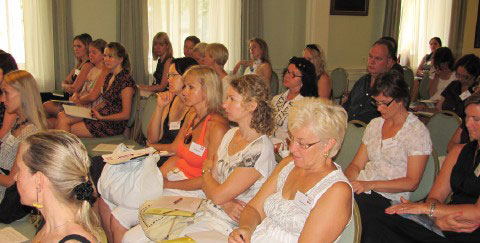
Pasaules brīvo latviešu apvienības skolotāju seminārs pulcina 59 dalībniekus no 18 valstīm.
Ilze Ostrovska is a Latvia-born woman who has lived in Australia for 15 years. In Latvia she worked in the World Federation of Free Latvians office in Rīga and wrote about her experiences in a weekly column published by the newspaper Austrālijas Latvietis. In Australia, she works as an administrator and volunteer coordinator for the Latvian senior citizens' group Laima and also teaches in the Latvian school in Adelaide.