Latvia appears headed toward another murky presidential election

Speculation over the looming presidential election is intensifying in Latvia, and the fate of incumbent Valdis Zatlers—who announced he is available for a second term but who is opposed by many—is clearly hanging in the balance.

Meanwhile, issues of language and education have once again come to the fore with some unusually alarmist warnings about potential ethnic strife if a referendum approves that all teaching in state–financed schools be in Latvian only.

Uncertainty over the next president

The next president will be elected by the Saeima (Parliament) in mid-year. In Latvia’s strongly parliamentarian constitutional system, the president is largely a symbolic figure, with limited political powers. However, the past two presidents, Zatlers and before him Vaira Vīķe-Freiberga, have turned the job into a less purely symbolic position and have had greater political influence.

The significant problem of the presidential election is the complete absence of rules and transparency as to how the Saeima goes about the process. Infamously, Zatlers himself, a successful and respected medico with no real political background, was persuaded to stand (at a meeting at a zoo!) by a handful of oligarchs, and his election rammed through the Saeima despite widespread protests.

In something of an irony, Zatlers slowly proved that he was no lapdog of the then-ruling People’s Party (Tautas partija) and was not remiss in criticising the previous Saeima and government. Zatlers is certainly not the most charismatic of presidents, but in his doggedly persistent style he demanded and got several changes to the electoral laws and to laws relating to how the Saeima can be dismissed. He also demanded a more transparent process in electing future presidents, which has only been half realised. Now there must be a public announcement of a list of possible candidates before the Saeima decides, but otherwise the selection process can still be less than transparent.

It is clear that the oligarch parties—the rump of the People’s Party and their mates in the For a Good Latvia! (Par labu Latviju), as well as elements of the Union of Greens and Farmers (Zaļo un Zemnieku savienība, or ZZS)—are happy to ditch their once favoured son and go for someone more malleable. ZZS in particular still promotes its controversial Ventspils Mayor Aivars Lembergs, who has been accused of corruption, as a candidate.

This leaves the leading government party Unity (Vienotība), which is in coalition with the ZZS, in a difficult position, being virtually forced to back Zatlers, fearing a more oligarch-friendly candidate may get the job. The ZZS has recently been clearly flexing its political muscles, and on several occasions has been able to get its candidates for various positions accepted by different alliances in the Saeima against Unity’s desires, putting strains on the coalition. The presidential election promises to be one more such battleground.

Schools teaching in Latvian only?

On the language front, the campaign by the nationalist bloc in the Saeima to have all state-financed schools switch to teaching in Latvian only has moved to the next stage. The proposal relates to the long-standing issue of Latvia still having a large Russian-language primary and secondary school system, a heritage from the Soviet period.

Although these schools now all teach an increasing number of subjects in Latvian, and in secondary schools the proportion taught in Latvian must be at least 60 percent, the existence of the Russian school system continues to prop up a very divided society.

For the National Alliance (Nacionālā apvienība “Visu Latvijai!” – “Tēvzemei un Brīvībai/LNNK”) this has been anathema, and it has proposed that starting with the first grade in September 2012, progressively all teaching in the Russian stream schools will take place in Latvian. Moreover, the nationalists want this written into the constitution.

The nationalists’ proposal was defeated in the Saeima, but they are now using the mechanism of a referendum to gain support.

In Latvia’s referendum system, such changes to the constitution may be proposed by the citizens, and the first step is gathering 10,000 notarised signatures by citizens who support such a change. This number of signatures has now been gathered, which will cause the Central Election Commission in turn to start another signature-gathering exercise, this time financed by the state. If 10 percent of the eligible number of voters sign in this phase (around 153,000 signatures are needed), then the Saeima must debate the proposal. If the Saeima approves the proposal, it will become part of the constitution. However, if the Saeima disagrees, then the issue goes to a referendum. It is not an easy path for such a constitutional change, but a possible one.

Although the issue has been around for years, the success in gathering these initial signatures has brought a remarkable reaction. As a copycat response, a small Russian splinter party started its own signature-collecting campaign, this time calling for Russian to be made the second official state language. Launched with great fanfare, the campaign ran into a farcical situation when most of the early keen signers were in fact not citizens of Latvia, hence ineligible to sign. We also saw a paradoxical situation that the Russia-leaning party Harmony Centre (Saskaņas centrs) opposed the move. Harmony Centre is no friend of the Russian splinter parties, even though several if its individual politicians have not so privately supported the idea. Harmony Centre policy remains support for one official language only—Latvian. The party has been very clearly positioning itself not to alienate ethnic Latvian voters, showing strains over the issue. An independent social survey revealed that some 35 percent of Latvia’s residents supported Russian as a second official language, but 63 percent opposed it. Non-citizens constituted a significant proportion of those supporting Russian.

More ominous responses were not long in coming. Already during the initial signature-gathering, some politicians—particularly from the pro-Moscow For Human Rights in United Latvia (Par cilvēku tiesībām vienotā Latvijā), which no longer is in the Saeima—threatened violence if the nationalists’ constitutional amendment is accepted, as it would mean a virtual elimination of the Russian school system. These words were echoed in early April by Europarliamentarian Aleksandrs Mirskis, who threatened a “civil war” if the proposal is accepted. Mirskis called European attention to what he called a direct threat to Russian identity and Russian schools, and claimed that proponents of the constitutional amendment were “nationalists and Nazis” in the Saeima, igniting further passions. While the rather idiosyncratic and usually aloof Mirskis is not a significant political force in Latvia, this is an unusual extreme example of rhetoric, where politicians of all sides tend to be more circumspect over issues of integration and nationality.

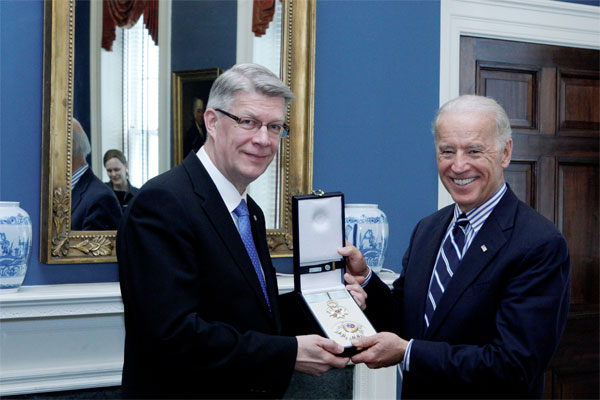
Tiekoties ar ASV jauniešiem, Zatlers pārrunā dubultpilsonības jautājumu

Prezidents Zatlers ar jauniešiem

Prezidenta Valda Zatlera tikšanās ar ALJA un 2×2 nometnes rīkotājiem un dalībniekiem turpinājās divreiz ilgāk nekā iepriekš plānots un noslēdzās ar prezidenta aicinājumu sarunas dalībniekiem: “Kad esiet Rīgā, piezvaniet!” (Foto: Toms Kalniņš, Latvijas Valsts prezidenta kanceleja)

Atbildot uz pagājušā gada nogalē 2×2 nometnes dalībnieku sagatavoto un Latvijas augstākajām amatpersonām nosūtīto vēstuli ar aicinājumu aktualizēt diskusijas par dubultpilsonības ieviešanu Latvijā, 1. aprīlī Latvijas prezidents Valdis Zatlers savas ASV darba vīzītes laikā Vašingtonā tikās ar Amerikas Latviešu jaunatnes apvienības (ALJA) un 2×2 nometnes rīkotājiem un dalībniekiem.

Viens no centrālajiem jautājumiem, kas tika apspriests sarunā starp Latvijas prezidentu, Latvijas vēstnieku ASV Andreju Pildegoviču un 15 Amerikas latviešu jaunatnes pārstāvjiem, bija par dubultpilsonības ieviešanu Latvijā, ko esošā Pilsonības likuma grozījumu ierosinājuma veidā ir izteicis arī Zatlers.

Draudzīgā sarunā ar jauniešiem prezidents paskaidroja, ka šobrīd ir jāatrod veids, kā sanākt visiem kopā un veidot modernu Latviju, kas ņemtu vērā mūsdienu realitāti, ka daudzi latvieši šobrīd dzīvo ārpus Latvijas un tur ir laiduši pasaulē arī savas atvases. Prezidents ieteica katru latviešu izcelsmes jaunieti Amerikā, kam nozīmīgs dubultpilsonības jautājums, rakstīt Latvijas augstākajām amatpersonām un Saeimas deputātiem adresētas vēstules ar mudinājumu pieņemt grozījumus Pilsonības likumā.

Zatlers ļoti atzinīgi novērtēja 2×2 nometnes dalībnieku izklāstītās idejas par viņu sadarbības iecerēm ar Latviju, kā arī pauda aizkustinājumu par dzejnieces Māras Zālītes sarakstītās un Lolitas Ritmanes sakomponētās dziesmas “Manā sirdī” video ieraksta pirmizrādi.

Par lielākajiem ieguvumiem no tikšanās ar Latvijas prezidentu 2×2 nometnes rīkotājs Aivars Osvalds paskaidroja, ka no vienas puses būtiski ir tas, ka prezidents “ieklausījās, ko mūsu jaunā paaudze šeit domā, saka, un plāno.”

Tas esot īpaši būtiski, jo nereti priešstats par latviešiem Amerikā esot tāds, “ka te palikusi tikai vecākā paaudze, kas apmeklē latviešu sarīkojumus un brauc pie radiem Latvijā.“

No otras puses, Osvalds teica, jauniešu tikšanās ar prezidentu noteikti ietekmēšot viņu tālāko darbību Amerikā un sadarbību ar jaunatni Latvijā.

“Ir svarīgi, ko jaunieši domā un dara, un lai viņiem ir kaut kāda saikne ar Latviju,” teica Osvalds, piebilstot, ka viņam pašam ir svarīgi,  lai jaunieši “tur Latviju savās sirdīs.”

Tieši stiprāku saišu izveidošana starp Amerikā dzimušajiem latviešu izcelsmes jauniešiem ar viņu senču zemi Latviju bija viens no 2×2 nometnes “Latvija + 20” darba grupas mērķiem, kurā ne tikai tapa Latvijas prezidentam, Ministru prezidentam un Saeimas priekšsēdētājai adresētais aicinājums par dubultpilsonības jautājuma aktualizēšanu, bet arī virkne citu ideju, kā Amerikas latviešu jaunatnei stiprināt saites ar Latviju.

Kā vienu no iniciativām sarunā ar prezidentu ALJA priekšsēdis Markus Apelis prezentēja 2×2 nometnes dalībnieku ideju par informatīva interneta portāla izveidi par uzturēšanās iespējām Latvijā. Pensilvānijā dzīvojošā Kaira Čečere stāstīja par ieceri izveidot portālu sadarbības veicināšanai starp pētniekiem Latvijā un pasaulē. Indra Ekmane no Arizonas iepazīstināja Latvijas prezidentu ar “Latvija+20” dalībnieku ieceri ar ārzemju latviešu izsniegtu mikrokredītu palīdzību atbalstīt mazos uzņēmējus Latvijā. Savukārt Guna Začeste iepazīstināja prezidentu ar 2×2 dalībnieku jau iesākto iniciatīvu ar sociālo portālu Facebook un Twitter palīdzību veicināt pareizas latviešu valodas apguvi starp latviešiem Latvijā un ārpus tās.

Viens no prezidentam nosūtītās vēstules līdzautoriem bija “Latvija +20” programmas vadītājs Mārtiņš Andersons.

“Ja kaut vai viens vai divi jaunieši no tiem, kas bija klāt, centīsies kaut ko darīt Latvijas labā, es būšu gandarīts,” Andersons teica. “Manuprāt, tas būtu lielākais ieguvumus.”

Andersons piebilda, ka tikties ar prezidentu un paspiest viņam roku ir viena lieta, bet iesaistīties tik atklātā un draudzīgā sarunā, kā tas sanācis tiekoties ar Zatleru, ir pavisam kas cits.

“Es nesagaidu, ka prezidents mums tagad kaut ko konkrēti palīdzēs, jo mēs neesam politiķi. Bet ir svarīgi parādīt jauniešiem, ka viņi ir svarīgi un vērtīgi. Katrs latvietis ir dārgakmenis, mums tos jāsargā un jāsaglabā,” Andersons teica.

Uz jautājumu, kāpēc viņam pašam ir tik svarīgi papildus ASV pilsonībai iegūt arī Latvijas pilsonību, ASV dzimušais un banku nozarē strādājošais Andersons atbildeja” “Daļēji tas ir praktiskas dabas jautājums. Es divas reizes mēģināju atrast darbu Latvijā. To būtu man vieglāk izdarīt, ja man būtu Latvijas pilsonība.”

Bet Latvijas pilsonība Andersonam neesot tikai praktiska lieta, bet arī kaut kas ļoti emocionāls.

“Man latvietība ir degoša sirdī un Latvijas pilsonība to palīdzētu apliecināt,” viņš teica.

Kā liecina 2×2 rīkotāju veiktā aptauja, uz kuru atsaucās 111 Amerikas latviešu vecumā līdz 40 gadiem, Latvijas pilsonības trūkumu par būtisku šķērsli, kas ietekmējis viņu iespējas studēt vai meklēt darbu Latvijā, uzskata 37,4 % Amerikas latviešu jauniešu. Ja tāda iespēja rastos iegūt Latvijas pilsonību, to labprāt izmantotu 58,6% aptaujāto.

No visiem respondentiem 73% plāno nākotnē mācīties vai strādāt Latvijā, savukārt vēl 14,4% respondetu šādu iespēju izteica varbūtības formā. Viena ceturtdaļa aptaujas dalībnieku (visbiežāk izvēlētais atbildes variants) atzīmēja, ka viņi Latvijā plāno pavadīt vienu gadu. Divus līdz trīs gadus Latvijā gatavi pavadīt 17% respondentu. Savukārt uz dzīvi Latvijā pārcelties vēlētos 8,1% Amerikas latviešu jauniešu, liecina aptauja.

Ilze Garoza is a diaspora researcher. She has a Master's degree in Education Leadership and Administration from the University of Minnesota. She has received scholarships from the American Latvian Association and the Association for the Advancement of Baltic Studies.

Officials charge 17, including women from Latvia, in Florida ‘B-girl’ fraud

Seventeen men and women—including some from Latvia and Estonia—have been charged in Miami Beach, Fla., in what U.S. authorities say was an elaborate scheme to bilk rich male patrons of private night clubs by getting them to pay exorbitant prices for drinks.

At least 88 tourists became victims of the scheme that involved Eastern European “bar girls” or “B-girls” luring them to private clubs, according to the criminal complaint filed April 6 in U.S. District Court in Miami. Once in the clubs, the men were tricked into paying dramatically inflated prices for drinks.

In one case, a victim had to pay USD 5,000 for a bottle of champagne. In another, a man from Philadelphia was defrauded of USD 43,000, which included him waking up in his hotel room with an unknown painting he apparently had purchased the night before.

“This is done by either having the female co-conspirators order multiple bottles of wine and champagne without the victim’s knowledge, misleading male victims about the price of alcohol, forging the victim’s signatures on credit card receipts, or processing unauthorized charges on the victim’s credit cards,” according to the criminal complaint.

In an early morning raid on clubs in Miami’s South Beach district, authorities arrested 16 alleged conspirators and “B-girls.” The alleged ringleader, 44-year-old Alec Simchuk of Hallandale Beach, Fla., is believed to have fled the United States.

Listed with Simchuk as conspirators and investors in the criminal organization that ran the scheme are Svetlana Coghlan, 41, of Hollywood, Fla.; Isaac Feldman, 50, of Sunny Isles Beach, Fla.; Fady Kaldas, 35, of Palm Beach Gardens, Fla.; Stanislav Pavlenko, 39, of Sunny Isles Beach, Fla.; Albert Takhalov, 29, of Aventura, Fla.; and Siavash Zargari, 46, of Miami Beach.

Federal authories built their case against the defendants by using a local undercover agent who posed as a corrupt police officer and infiltrated the organization, gaining the trust of the conspirators and the “B-girls,” according to the complaint. Other undercover agents posed as victims.

The organization, according to the complaint, opened at least six South Beach clubs, obtained liquor and business licenses, and acquired merchant account and credit card terminals to be used in the clubs.

The conspirators also are alleged to have organized the “B-girls” to come to the U.S., slipping them through the Visa Waiver Program by claiming that the women were not coming to work or to engage in criminal activity. Latvia, Estonia and Lithuania were admitted to the program in November 2008, meaning citizens of those countries no longer have to obtain a visa to visit America.

The women are said to have been trained in Eastern Europe to work the fraud scheme.

In Miami, the women would work in pairs, hunting for the victims in other clubs, usually between the hours of 10 p.m. and 5 a.m.

“B-Girls’ ideal targets are wealthy males, preferably tourists or traveling businessmen due to the low probability that they will come back into the club once they have discovered the money charged to their account,” according to the criminal complaint. “Expensive watches or shoes, amongst other factors, are used to identify such targets.”

The women would lure their fraud victims to one of the clubs run by the conspirators. Once there, they would work with the bartender to trick the men into buying expensive drinks.

Defendants named as “B-girls” in the complaint are Victorija Artemjeva, 21, of Latvia; Irina Domkova, 22, of Estonia; Anna Kilimatova, 25, of Latvia; Valeria Matsova, 22, of Estonia; Anastassia Mikrukova, 32, of Estonia; Agnese Rudaka, 22, of Latvia; Kristina Takhalov, 29, of Miami Beach; Marina Turcina, 24, of Latvia; Anastassia Usakova, 25, of Estonia; and Julija Vinogradova, 22, of Latvia.

Artemjeva, according to the complaint, had worked for Simchuk in Estonia. Three other women were planning to work a club Simchuk was opening in Prague.

According to the complaint, the pair of “B-girls” would get about 20 percent of the victim’s bill, while the bartenders or managers would get 10 percent. The rest of the bill would go to the criminal organization.

Problems continue in Rīga

The alleged scheme is reminiscent of similar frauds reported against foreign clients in a number of bars, clubs and lounges in Rīga, Latvia’s capital city.

U.S. and officials from other countries have complained for several years to the Latvian government about the problem. In a November 2008 “warden message,” the U.S. Embassy in Rīga warned travelers to stay clear of bars, clubs and lounges that have been reported to overcharge for drinks.

The warning was updated last month.

“There have been a number of additional reports recently of foreign tourists being charged extortionate prices for drinks in bars,” according to embassy’s message posted on its website. “Some have then been assaulted, threatened or forced to withdraw money from an ATM to pay for the bill.”

The embassy names 10 establishments that are off limits to its staff and their families. Almost all of the businesses are located within the popular Old Town district.

Andris Straumanis is a special correspondent for and a co-founder of Latvians Online. From 2000–2012 he was editor of the website.