Zatlers wants Dombrovskis as PM in coalition with Unity, Harmony Centre

The Zatlers’ Reform Party (Zatlera Reformu partija, or ZRP) wants current Prime Minister Valdis Dombrovskis to form Latvia’s next government, which would be a three-party coalition that would include the center-left and pro-Russian Harmony Centre (Saskaņas centrs).

In a statement released early Oct. 1 in Rīga, the centrist and reform-minded party headed by former President Valdis Zatlers said that its closest ideological partner is Unity (Vienotība), of which Dombrovskis is a member. At the same time, according to the statement, ZRP says that in order to enact the reforms it stands for it needs a broad majority in the Saeima.

“The Latvian state is as strong as Latvia’s people are unified,” according to the statement from the party’s board of directors.

In the Sept. 17 special parliamentary election, Harmony Centre won 31 of the Saeima’s seats. ZRP took 22 and Unity got 20, according to provisional results reported by the Central Election Commission. Together the three parties will control 73 seats in the 11th Saeima.

Whether the coalition will come together as suggested may depend on if Harmony Centre is willing to accept ZRP’s conditions. In discussions with Harmony Centre, according to the ZRP statement, party officials have maintained that one condition is that the fact of Latvia’s occupation by the Soviet Union must be acknowledged. In the past, Harmony Centre officials have been reluctant to do so.

“Harmony Centre must free itself from the spectres of the Interfront and the Communist Party,” according to the ZRP statement, “just as other parties must free themselves of searching for the enemies within.”

Disputes between ethnic Latvians and ethnic Russians served the oligarchs who have robbed Latvia, the statement continued.

“Right now we have a unique opportunity to tear down the wall of ethnic distrust, to create a unified people who are the power in an independent Latvian state,” according to the statement.

The right-wing National Alliance (Nacionālā apvienība “Visu Latvijai!”-“Tēvzemei un Brīvībai/LNNK”) won 14 seats and has been in discussion with ZRP and Unity about joining the coalition. However, leaders of the National Alliance also have said they would not serve in a government that included Harmony Centre.

If ZRP and Unity were to form a coalition with the National Alliance, then their majority in the Saeima would be narrower—just 56 seats.

The Union of Greens and Farmers (Zaļo un Zemnieku savienība) held on to 13 seats in the special election. Tied to oligarch and Ventspils Mayor Aivars Lembergs, the party was among targets of ZRP. Zatlers has said his party would not serve in a coalition with the Greens and Farmers.

ZRP’s invitation to Dombrovskis to continue as the prime minister means the party has stepped back from its own prime ministerial candidate, Edmunds Sprūdžs. He likely would still get a ministerial post in the new government.

After meetings with represenatives of all parties in the new Saeima, President Andris Bērziņš on Sept. 29 told a press conference that if a coalition is not put together by the end of next week, he will take action. Under Latvia’s constitution, it is up to the president to invite a prime ministerial candidate to form a new government. Once the government is formed, the Saeima must confirm it.

The 11th Saeima, according to the constitution, must meet for the first time no later than a month after its election, in this case by Oct. 17.

Andris Straumanis is a special correspondent for and a co-founder of Latvians Online. From 2000–2012 he was editor of the website.

Ir jāsaglabā latviešu mākslas nozīmīga vēstures daļa

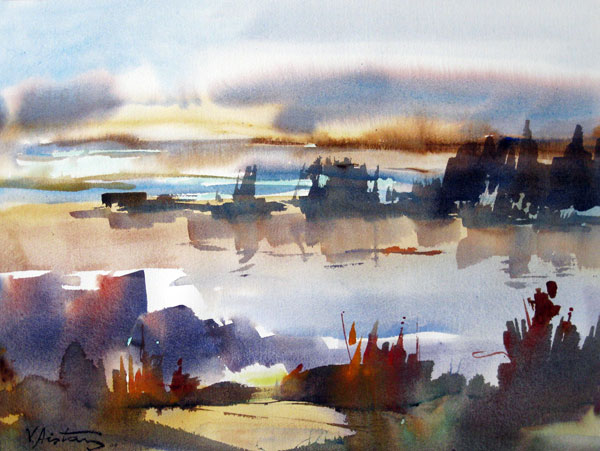
Viestarta Aistara akvarelis

Mākslinieks Viestarts Aistars ziedojis Pasaules latviešu mākslas savienībai 38 no saviem akvareļiem, ieskaitot šo gleznu. (Foto: Pasaules latviešu mākslas savienība)

Pasaules latviešu mākslas savienības (PLMS) pirmās divas ceļojošās izstādes (“Tēvu zemei Latvijai” un “Mākslinieks trimdā – latviešu bēgļu māksla, 1944-1950”) iepazīstināja plašāku publiku Latvijā, kā arī ārpus tās, ar PLMS galveno mērķi – dibināt Latvijā mākslas mūzeju un centru, kur tiks saglabāti un eksponēti ārpus Latvijas dzīvojošu latviešu mākslinieku darbi.

Šī gada sākumā PLMS iesniedza Latvijas Republikas Uzņēmuma reģistrā  dokumentus, lai dibinātu Pasaules latviešu mākslas centru (PLMC) Latvijā. Nodibinājuma reģistrācijas apliecība saņēmta 2011. gada 16. martā.

Sākotnēji iecerēto nodomu sadarboties ar Valmieras mūzeju, kas palīdzēja noorganizēt pirmās izstādes ceļošanu pa Latvijas mūzejiem, diemžēl nevarēja īstenot, galvenokārt ekonomijas krizes dēļ. Laimīgā kārtā Cēsis, kas ir vienmēr bijusi viena no nozīmīgākām mākslas un kultūras pilsētām Latvijā, aicina PLMS nodibināt centru Cēsīs. Pēdējā gadā PLMS ir izveidojusi labu sadarbību ar Cēsu pilsētas pašvaldību, vēstures mūzeju un tūrisma biroju. 2010 gadā PLMS pārstāvji vairākas reizes apciemoja Cēsis, lai pētītu iespējas iegādāties piemērotu ēku PLMS nākotnes vajadzībām. Šobrīd apskatām vairākas pieejamās ēkas – pašvaldības, kā arī privātus īpašumus.

Sadarbojamies veiksmīgi ar Cēsu pašvaldību, veidojot lielāku mākslas darbu kollekciju un to novietojot Cēsīs. Kā raksta Cēsu novada domes priekšsēdētāja vietnieks Jānis Rozenbergs: “Cēsu novada pašvaldība ir gandarīta par iespēju glabāt un izstādīt Pasaules latviešu mākslas savienības veidoto kollekciju Cēsu pilsētā…Pasaules latviešu mākslas savienība jau ir ieguldījusi ievērojamu darbu un līdzekļus kollekcijas veidošanā un tās populārizēšanā Latvijā. PLMS sniegtā iespēja iepazīt latviešu trimdas mākslinieku daiļradi ir ļoti būtiska latviešu kopīgā kultūras mantojuma saglabāšanai.”

Pirmās izstādes 98 mākslinieku 106 mākslas darbi, kas apceļoja Latvijas novadu mūzejus, tika 2011. gada janvārī novietoti Cēsu vēstures mūzeja archīva ēkā,  kur PLMS kollekcijai tika iekārtotas divas telpas ar jauniem plauktiem, drošības sistemu, temperatūras kontroli, utt. PLMS sedza izdevumus par telpu izveidi un ik mēnesi maksā komunālos izdevumus. Pašvaldība ziņo, ka šinīs telpās jau tagad ir iespējams novietot vēl 1 000-2 000 mākslas darbus. Tāpēc PLMS padome ir nolēmusi esošo kollekciju palielināt ar jauniegūtajiem mākslas darbiem, kuŗus tuvākā nākotnē sūtīsim uz Cēsīm.

Pēdējā laikā ir noziedoti vairāki pazīstamu mākslinieku darbi, ieskaitot Niklāva Strunkes eļļas glezna, Ēvalda Dajevska gouache glezna, 38 Viestarta Aistara akvareļi, un Veronikas Janelsiņas eļļas glezna. kollekciju bagātinās arī Leldes Ores-Vinteres, Ojāra Šteinera, Silvijas Šteineres-Jēgenas, Vitauta Sīmaņa, Ilgas Rekes, Jāņa Stroda, Ilzes Arājas, Augusta Annusa, Ulda Āboliņa, Arvīda Soduma, Jāņa Kalmītes, Lidijas Dombrovskas Larsenas un citu mākslinieku darbi.

Aicinām latviešu kollekcionārus un māksliniekus ziedot PLMS kollekcijai darbus, kuŗiem jūs vēlaties nodrošināt nākotni kā daļai Latvijas kultūras vai kuŗus jūs vairs nevēlaties vai nevarat paturēt. Saprotam, ka dažreiz ir viegli vai izdevīgi šādus darbus noziedot vietējām baznīcām vai citām organizācijām, bet ir svarīgi padomāt par tālāko nākotni – kur šie darbi atradīsies pēc 10, 20 vai 30 gadiem? PLMS uzskats ir, ka latviešu izcelsmes mākslinieku darbiem piemērotākās mājas ir Latvijā, kur šodienas latviešu publika tos var baudīt un kur tie tiks saglabāti nākošajām paaudzēm. Jauniem latviešu mākslas vēstures pētniekiem ir nepieciešams pētīt oriģinālos darbus (ideālakais – vienuviet), nevis to reprodukcijas, jo ne katrs pētnieks var atļauties ceļot pa ārzemēm, mākslas darbus meklējot. 

Šobrīd PLMS īpaši interesē saņemt to mākslinieku darbus, kuŗi pēc 1930. gadu laikā un 1940. gadu sākumā Latvijā iegūtās izglītības bija spiesti doties trimdā. Zinām, ka vecākās paaudzes izcila mākslinieka darbi bieži vien ir apdraudēti pēc viņa aiziešanas mūžībā. Vairāki trimdā radītie darbi ir parādījušies gan garāžu (garage sale), gan “eBay” izpārdošanās par nieka cenām.

PLMS kollekcijas komitejā ir pārstāvji vairākās valstīs, kuŗi var sniegt jums sīkāku informāciju par darbu ziedošanu un sūtīšanu.

Aicinām katru, kuŗu interesē latviešu diasporas mākslas darbu saglabāšana, ieskatīties PLMS mājas lapā www.latvianart.org vai sazināties ar PLMS pārstāvjiem Austrālijā (Haralds Norītis, e-pasts h.noritis@bigpond.com), Kanādā (Valda Oestreichere, e-pasts james.oestreicher@gmail.com) vai ASV (Lelde Kalmīte, e-pasts lkalmite@latvianart.org). Var arī rakstīt vai zvanīt Leldei Kalmītei, 10830 S. Hale Avenue, Chicago, IL 60643-3342, USA, tālrunis +1 (708) 369-2355.

Lūdzam publikas atbalstu PLMS lielā projekta nozīmīgajam posmam: atīstīt PLMS kollekciju un to novietot Cēsu pilsētā.

Labvēlīgais tips delivers basket of band’s popular songs

Kurvis

Kurvis is the 10th studio album by the popular Latvian band Labvēlīgais tips.

Veteran Latvian satirical and humor ensemble Labvēlīgais tips returned in 2010, after a gap of three years since its last recording, with the studio album Kurvis.

The members of Labvēlīgais tips blend satire and humor with many different and varied styles of music. They almost always succeed in recording catchy, memorable songs that often leave listeners smiling.

Whether it be the often strange lyrics (seemingly simultaneously both very deep and deceptively simple), or the deep bass of lead singer Andris “Fredis” Freidenfelds, or the musically adept performances of the rest of the band, the Labvēlīgais Tip’s popularity endures. Now past its 15th anniversary as a group, the band still packs them in for highly anticipated yearly shows at the Rīga Congress Centre.

What remains most impressive is that the group shows no sign of getting “tired.” Even after all this time, Labvēlīgais tips is still able to write songs that remain in the listener’s mind, even after only one listen. Kurvis is no exception.

Though released in 2010, these are songs that have been recorded over the past few years, and many of them have become hits. Perhaps because the band has not released a new album in a while, Kurvis is the longest—a full 18 songs. Alhough long, there is rarely a dull moment over the course of the album.

The songs are seemingly about mundane, everyday topics and events, yet many of them are memorable. One of the older songs on the album is about how having a mobile phone means that you are unable to escape certain people (“Paraparita”). A song from 2008—“Tu man virsū negāzies”—celebrates the Song Festival that year and is about the difficulties in singing in such a mass choir (people tend to step on your toes).

Labvēlīgais tips often sings about forms of transportation in Rīga, such as “10. tramvajs,” “Himalaji” and “Omnibuss.” Kurvis features a song that the band notes is a “sequel” to “10. tramvajs.” Called “Āgenskalna priedes,” it is a Latin-tinged song about a seemingly unending journey on a trolleybus through the Āgenskalna priedes area of Rīga, where every other person on the trolleybus has a dog with them, and one even has skis (in the middle of summer).

One of the most stylistically different songs the group has done is “Čiekurs – egles dēls,” which is, oddly enough, about pine cones. The song itself is in a very electronic techno style, something along the lines of German group Kraftwerk—not quite the style you would think of when singing about pine cones. In this song, the mighty fir tree gives the lowly pine cone advice, in that one shouldn’t freely give themselves to squirrels.

Politics also has been a topic that Tips sings about. This time around, there are odes to former Latvian President Vaira Vīķe-Freiberga, simply entitled “Vaira,” which is more about the travails of the former president’s tailor, who is entrusted with always preparing the most elegant of dresses. Veiled references to the controversial former deputy mayor of Rīga, Ainārs Šlesers, are found in the song “Pētergailis.” Šlesers has been known for some of his unique suggestions for improving Rīga and Latvia, and in “Pētergailis” some rather odd ideas also are presented—such as the necessity of having a second Daugava River for redirecting transportation.

Labvēlīgais tips often reference obscure places in Latvia. One of my favorite tracks on the album is “Līzespasta Disnejlenda.” Līzespasts is a small town in the north of Latvia. I am quite mystified by the lyrics, as I remain slightly unclear what Disneyland is doing in such an obscure corner of Latvia. The song, however, is quite catchy and describes all sort of amazing things that seem to happen at this Disneyland.

The songs of Labvēlīgais tips are hard to describe, as the lyrics often do not make much sense (which, I think, is part of the band’s charm). The group does have the occasional serious song, such as the title track “Kurvis.” In Latvian slang, to give someone a kurvis (a basket) is to toss them aside, and the song is about a guy who does not seem to have much luck throughout life.

Kurvis is one of the most satisfying Labvēlīgais tips albums. It has humor, a large amount of musical variety, and songs that are simply fun to listen to. Ten studio albums into the band’s career (which is more than many groups in Latvia) shows no signs of slowing down, so this latest basket of tunes is well worth checking out.

Details

Kurvis

Labvēlīgais tips

2010

LTIPS 001

Track listing:

Vai cik es skaists

Paraparita

Līzespasta

Tu man virsū negāzies

Tā man iet

Pētergailis

Bāka

Biešu lauks

250

Sarakstā

Mēs esam no ūdens

Čiekurs – egles dēls

Aiziet, lai notiek!

Tu mani demoralizē

Āgenskalna priedes

Es piezīmēšu Tev ūsas

Vairai

Kurvis

Where to buy

Purchase Kurvis from BalticShop.

Note: Latvians Online receives a commission on purchases.

Egils Kaljo is an American-born Latvian from the New York area . Kaljo began listening to Latvian music as soon as he was able to put a record on a record player, and still has old Bellacord 78 rpm records lying around somewhere.