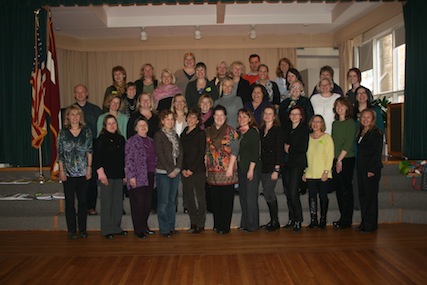
ALA skolotāju konferences Bostonā dalībnieki. Foto: Sarma Liepiņa.
No 2. līdz 4. martam Bostonā notika ikgadējā Amerikas latviešu apvienības (ALA) Izglītības nozares rīkotā skolotāju konference. Konferences mērķis – pulcināt skolotājus no visas Amerikas, lai radītu vidi domu izmaiņai un jaunu ideju rosināšanai.
2. marta vakarā ieejot Bostonas latviešu namā varēja izjust sirsnību un neviltotu prieku par atkalsatikšanos. No dažādiem Amerikas štatiem viens pēc otra ieradās latviešu skolu skolotāji no abiem ASV krastiem, no blakus valsts Kanādas un arī no tālās Austrālijas. Šis bija atklāšanas vakars ALA skolotāju konferencei, kas tradicionāli notiek kādā no ASV latviešu centriem marta pirmajā nedēļas nogalē.
Uz konferenci bija atbraukuši 35 skolotāji no 11 skolām. Pārstāvētas bija Mineapoles, Kalamazū, San Francisko, Ņudžersijas, Jonkeru, Bostonas, Milvoku, Čikāgas (skola un bērnudārzs “Stariņš”) un Vašingtonas skolas, kā arī divas pārstāves no Toronto, Kanādā¬—LNAK Izglītības nozares vadītāja Elita Pētersone un viņas meita, Margita, kas māca Toronto Latviešu Sestdienas skolā.
Bostonas latviešu skola bija ļoti rūpīgi piestrādājusi un sagādāja konferences dalībniekiem bagātīgas un garšīgas maltītes un atspirdzinājumus, ko varēja baudīt, sākot jau ar piektdienas vakaru. Gaišās un ērtās latviešu nama telpas arī palīdzēja radīt mājīgu gaisotni, kurā skolotāji varēja pulcēties un darboties divu dienu garumā.
Konferenci atklāja ALA Izglītības nozares vadītāja, Anita Bataraga, priecājoties par kuplo apmeklētāju skaitu un ierosinot konferencē nākt ar ieteikumiem un pārrunām, nevis sūdzībām. Pirmais vakars bija veltīts pārrunām par skolu mācību programmām. Pārrunu tēmas ievadīja Ilze Garoza, ALA speciālo projektu vadītāja, ar mērķi padomāt vai ALA mācību vadlīnijas un programma vēl atbilst šodienas valodas līmenim skolās un ja nav, tad vai to vajadzētu pielāgot patreizējai situācijai.
Pārrunas, kas izraisījās par šo tēmatu bija laba viela pārdomām – īpaši, kad māca bērnus ar atšķirīgām latviešu valodas zināšanām. Tika atzīts, ka patreizējā programma vēl der, bet ka to vajag pielāgot – tai derētu pievienot ieteikumus par mūsdienīgāku literatūru. Oriģinālā programmas struktūra ir loģiski sastādīta – gramatikas un folkloras daļas vēl ir attiecināmas uz šodienas valodas līmeni. Programmas papildināšanas izstrādei veidos darba grupas, kas tiksies vasarā. Darba grupa arī ieteikumus izstrādās dažādiem valodas līmeņiem.
Tika konstatēts, ka patreizējais ALA mācību plāns, izstrādāts pirms 11 gadiem, var turpināt labi kalpot kā uzziņu materiāls, ko izmantot, kad skolotāji sastāda programmu. ALA jau sen izstrādātā programma vēl lieti noder kā pamats, bet katra skola to ir tomēr pielāgojusi savas skolas vajadzībām. Skolās vēl arvien pārsvarā mācās bērni, kas runā un saprot latviski, uz kuriem vēl attiecināma skolas patreizējā programma, bet līdztekus ir radusies vajadzība veidot “Mēs mācāmies latviski” klases vai Kultūras klases, kas ir domātas bērniem, kas latviešu valodu mācās kā otro valodu.
Tika atgādināts, ka pie skolas beigšanas jāatzīmē to, ka liecības izsniegs tiem, kas absolvējuši pilno mācību programmu bet skolas apmeklēšanas apliecības tiem, kas ir piedalījušies, bet nav izpildījuši visas saistības.
Daudzveidīgā konferences programma turpinājās nākamajā dienā ar Garezera Vasaras vidusskolas vadītājas Sandras Kronītes-Sīpolas uzrunu no Bostonas. Sandra runāja par to, ko Vasaras vidusskola saredz, kā svarīgākās iemaņas, kas bērniem būtu jāapgūst pamatskolā, lai viņi būtu gatavi Vasaras vidusskolai. Kā galveno un svarīgāko iemaņu tika uzsvērta spēja izteikties latviski bet otro, tikpat svarīgo – bērnam spēt atrast un izjust savu latvisko dvēseli. Piemērs šai dvēseliskai latviskuma izjūtai būtu aizkustinājuma sajūta, kad dzied Gaismas pili. Tāpēc arī Sagatavošanas skola Vasaras vidusskolā ir vieta, kur jaunieši iemācās brīvāk izteikties latviešu valodā, un nebaidās kļūdīties – galvenais, ka ir iespēja runāt un bagātināt savu vārdu krājumu un izprast pasaules notikumus latviešu valodā. Sagatavošanas skolā arī nostiprina jauniešu zināšanas par vēsturi, ģeogrāfiju, folkloru, tautas mūziku.
Konferencē arī vēl tika pārrunātas šādas tēmas – skolas darbības modeļa izvērtēšana process (Daina Grosa no Austrālijas), ko latviešu skolas varētu mācīties no Waldorf un Montessori skolu modeļiem (Krisīte Skare un Sandra Kronīte-Sīpola no Bostonas), pārskats par pirmsskolas un pamatskolas bērna valodas un spēju attīstību (Katrīna Veidiņa).
Aizraujošas sarunas izveidojās paneļdiskusijā par tēmu: Ievedīsim latvisko dvēseli mūsu mācību stundās, kur pieredzē dalījās Aija Kūsiņa-Auģe, Sarma Muižniece-Liepiņa, Krisīte Skare un Maira Galiņa (visas no Bostonas). Diskusija bija par to, kā bērnam atvērt acis uz to, kas ir latvisks un kā bērnā radīt un attīstīt mīlestību pret latvisko. Pārrunas bija par folkloru, mākslu un mūziku – visu, kas veido mūsu latvisko izjūtu, daiļrades pasauli, latvisko dzīvesziņu. Sarma Muižniece-Liepiņa stāstīja ka svarīgi ir bērniem pazīt latviešu tēlotājmākslas žanrus un slavenos latviešu māksliniekus, kā arī latvisko kompozīciju. Tikpat svarīgi ir iepazīstināt ar arhitektūru Latvijā, kā arī ar latvisko stila izjūtu, kur dabīgie materiāli un krāsas ņem virsroku. Mūzikas jomā Krisīte Skare minēja, ka ir svarīgi bērniem iemācīt “tautas dziesmu kanonu” (populārākās tautasdziesmas) bet līdztekus arī populāras dziesmas, kas pašlaik ir latviešu tautā iemīļotas; caur dziesmu var sasniegt dvēseli daudz ātrāk kā tikai caur valodu.
Skolotājiem bija iespēja dalīties ar mācību resursiem, kas varētu derēt citiem, kā arī ar idejām, ko varētu turpmāk realizēt. Tika runāts par e-pasta tīkla izveidi skolotājiem, lasīšanas akciju, skolotāju veidotu darba lapu ievietošanu tīmeklī, latviešu valodas gramatikas lietotnēm (applications) iPhone un iPad. Dace Copeland stāstīja par ALA apgāda jaunumiem un pasūtīšanas iespējām. Anita Bataraga ziņoja, ka Milvoku Dziesmu svētkos būs pāris stundas atvēlētas kafijas rītam, lai skolotāji varētu satikties un pārrunāt izglītības jautājumus.
Sestdienas vakarā visi skolotāji pavadīja jauku vakaru kopā Grīnbergu ģimenes mājā, kur pēc garšīgām vakariņām Laila Medne vadīja rotaļas ar iPad un video projektora palīdzību, kas īstenībā bija folkloras paraugstunda.
Nākamajā rītā Laila Vehvilainen dalījās savā pieredzē vadot “Mācamies par Latviju” programmu, ko Bostonas latviešu skolā šogad iesāka bērniem, kas nevēlas tik lielu uzsvaru uz valodu. Elisa Freimane dalījās savā pieredzē vadot Čikāgas latviešu skolu, kā arī atgādināja par iespēju pieteikt savu skolu uz ALA ceļojošiem skolotāju kursiem. Vašingtonas skola pieteicās uz kursiem nākamā skolas gada sākumā.
Skolotāju konferences dalībnieki varēja braukt mājās katrs uz savu Amerikas pusi ar siltu sajūtu sirdī – ka pavadītas divas dienas, kur var “uzlādēt baterijas”, smelties gudrības un satikt līdzīgi domājošus, gaišus latviešu prātus.
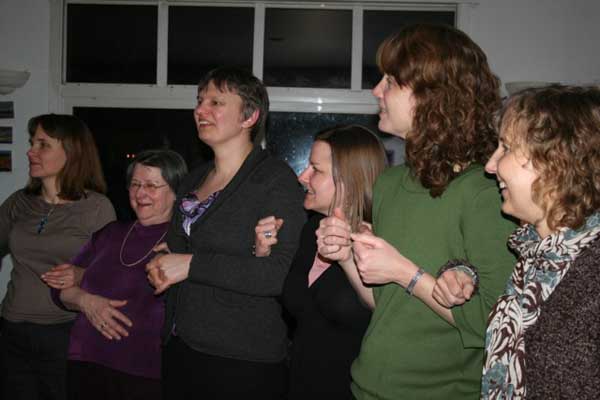
Bostonas konferences dalībnieki saviesīgā vakarā. Foto: Anita Bataraga.
Daina Gross is editor of Latvians Online. An Australian-Latvian she is also a migration researcher at the University of Latvia, PhD from the University of Sussex, formerly a member of the board of the World Federation of Free Latvians, author and translator/ editor/ proofreader from Latvian into English of an eclectic mix of publications of different genres.