Nākamvasar Rīgā notiks Pasaules latviešu ekonomikas forums

Pasaules brīvo latviešu apvienības (PBLA) un Latvijas Tirdzniecības un rūpniecības kameras (LTRK) pārstāvji tikās pirmajā oficiālajā Pasaules latviešu ekonomikas foruma plānošanas sanāksmē, kurā piedalījās arī pārstāvji no LR Ministru prezidenta biroja, Amerikas Tirdzniecības palātas Latvijā, Latvijas Universitātes, Rīgas Tehniskās universitātes, Amerikas latviešu apvienības un Latviešu Nacionālās apvienības Kanādā. „Šī bija pirmā oficiālā plānošanas sēde, kur runājām par konkrētām lietām, konferences mērķiem, dalībniekiem un programmu,“ tikšanās norisi komentē PBLA priekšsēdis Jānis Kukainis.

Pasaules latviešu ekonomikas forums notiks Rīgā  2013. gada 2. un 3. jūlijā. Foruma galvenais mērķis ir Latvijas ekonomiskās izaugsmes veicināšanas nolūkā stiprināt sadarbību starp dažādās uzņēmējdarbības nozarēs strādājošiem latviešiem Latvijā un pasaulē, veicinot savstarpēju kontaktu un sadarbības projektu veidošanos, investīciju piesaisti Latvijai, kā arī Latvijas uzņēmējdarbības vides uzlabošanu.

Foruma galvenā mērķauditorija ir ārzemēs dzīvojošie profesionāļi – ekonomiski aktīvie latvieši un latviskas izcelsmes personas, kas vēlas izvērst ekonomisku sadarbību un nostiprināt saikni ar Latviju. „Mēs cenšamies uzrunāt visus – gan trimdas sabiedrību, gan nesenos izbraucējus,“  skaidro J. Kukainis. Tuvākajos mēnešos foruma rīkotājorganizācijās sadarbībā ar forumā iesaistītajām dalīborganizācijām turpinās darbu pie foruma potenciālo dalībnieku uzrunāšanas un piesaistes. Jau šobrīd dalību forumā apstiprinājuši vairāki prominenti un pieredzējuši latviešu uzņēmēji no ASV, Austrālijas, Latvijas, bet interesi par forumu izrādījuši latvieši vairākās valstīs gan Eiropā, gan Amerikā, gan Āzijā. 

Ilze Garoza PBLA/ALA

Ilze Garoza is a diaspora researcher. She has a Master's degree in Education Leadership and Administration from the University of Minnesota. She has received scholarships from the American Latvian Association and the Association for the Advancement of Baltic Studies.

Par mani, draudziņ, nebēdā

As part of their 50th anniversary celebration in 2011, venerable American Latvian ensemble Čikāgas piecīši had a documentary film developed about them, entitled Par mani, draudziņ, nebēdā. Written and directed by Latvian filmmaker Igors Linga, the one hour documentary feature traces the group’s history from 1961 to their farewell (or, as guitarist/vocalist Armads Birkens says, their ‘first farewell’) tour in 2011.

The film, along with their farewell concert at the Latvian National Theatre on August 19, 2011, is now available on DVD (region 0, so it should play everywhere in the world). The film also has English subtitles.

The documentary film, like many Latvian documentaries, has no narration. It traces the history of the ensemble from its birth in 1961, to the present day through interviews with past and present members, interspersed with archival footage of the band performing, as well as home movies and pictures.

Alberts Legdziņš, the man who has been the leader and soul of the ensemble since its founding, provides a number of interesting details on the career of the group and how it all began (in fact, long-time member and bass player Uldis Streips notes that the group ‘existed’ prior to 1961 as well – Legzdiņš used to perform in their family’s basement). Legdziņš also notes the significance of late member Uldis Ievāns, who provided a lot of the material for their skits between songs. In fact, one time Ievāns and Legdziņš were arguing how to conclude a sketch, and even went on stage without knowing how it would end. What they wound up doing was simply walking off stage.

Long-time member and bass player Uldis Streips provides a lot of insightful commentary on the group, particularly the grueling travel the Piecīši had to endure – depart Chicago Friday night on the way to some Latvian center, drive all night, arrive in the morning, sleep a bit, perform, then drive to the next Latvian center Saturday night, perform Sunday, then drive back to Chicago Sunday night so that everyone could be back at their jobs on Monday mornings. Yet, even with this taxing schedule, the group was always able to entertain their audiences with energy and humor.

Par mani, draudziņ’, nebēdā makes it a point to acknowledge the significant role of women in the ensemble through the years, particularly Janīna Ankipāne (who brought a sort of American ‘folk singer’ style to a number of the group’s songs) as well as Laurie Wood (Lorija Vuda in Latvia), as well as a number of other women who have performed with them.

What makes the documentary particularly fascinating is the home video footage and the pictures from half a century ago, showing these young men playing, performing, relaxing, and horsing around. Also the interviews with former members such as Ilmārs Dzenis and Pēteris Strods provide additional perspectives on the early years of the group in the 1960s.

At about one hour, the documentary film does seem a bit brief, considering that there is fifty years of history to be covered, so certainly there is much more that could have been presented. A particularly glaring gap is their initial trip to Soviet Latvia in 1989 – though there are some clips and reminiscences about that tour, it would have been good to hear more about what made it possible. After all, it was just about the most remarkable event in the group’s history, something that, even a few years prior, would have been unthinkable. Also, it does seem that the film is not really meant as a straightforward historical documentary film, but more an overview of the group, their history, as well as their style and nature. The film expects its audience to already have some knowledge of the group, which may be fine for most, but for someone who had no idea of who Čikāgas piecīši were, it may not be in-depth enough for them to truly understand the significance of the group not just among exile Latvians, but all Latvians worldwide. Nevertheless, it is full of interesting facts and observations, made particularly worthwhile by the input of members both past and present.

The Čikāgas piecīši concert from the Latvian National Theatre is also on the DVD as a bonus. It is a particularly poignant event, considering that this is (probably) the last time the group will perform in Latvia.

The group, at the time of the performance featuring Alberts Legdziņš, Armands Birkens, Janīna Ankipāne, Lorija Vuda Cinkuss, Alnis Cers, Uldis Streips, Linda Maruta and Alberts Vītols, give a ninety minute performance that features their hits, as well as lesser-known songs from various eras.

A nice surprise is that the group, though certainly not eschewing their biggest hits, performs a number of songs which might not be as well known. A highlight is “Sabiedrības tiesā” (otherwise known as “What ze heck jūs gribiet”), with the obvious irony being that this song was written nearly fifty years ago when the group members were the younger generation, though now they are the older generation and have the same headaches with their children. Other highlights include “Vakardienas vīns”, with lead vocal performed by Alberts Vītols as well as the beautiful “Krāslaviņa” (with lyrics by the late Valdis Krāslavietis), particularly the lead vocal by Ankipāne with harmonies by Vuda and Maruta.

I find that the weakest section of a Čikāgas piecīši concert is when children are brought on stage to sing some of their songs. Though frightfully adorable, the artistic results do not usually match the cuteness of the children. Though it is a treat that the kids sing the less well known song “Skudru kāzas”, among other songs, the song may have sounded better with the ‘adults’ singing. Obviously one cannot expect the children to sing perfectly in harmony, but this section is rather slow.

The group is clearly slowing down and their performance schedule is not what it once was, meaning that perhaps rehearsal time is limited. What is particularly telling is that a number of the members have music stands in front of them, presumably with song lyrics and chords. There are a few shaky points over the course of the show, but the group’s ever-present charm more than makes up for these moments. Though, as with the documentary, showing this concert to someone who has no knowledge of Čikāgas piecīši might lead that person to wonder what all the fuss is about – what made these songs resonate with listeners both in exile and in Soviet Latvia?

As they approach the end of their career, Čikāgas piecīši remain one of the most significant Latvian music groups of all time. Par mani, draudziņ’, nebēdā! in both the documentary film, as well as the concert footage, provides a unique look at the group with interviews with many past and present members, as well as rare home video and photo footage. After fifty years of writing, recording and performing, Čikāgas piecīši are, without a doubt, a Latvian legend, and this DVD release is yet another testament to their talents and significance.

Details

Par mani, draudziņ, nebēdā DVD

Čikāgas piecīši

Rīga:  Mūzikas video kanāls un Jura Podnieka studija,  2011

image

Egils Kaljo is an American-born Latvian from the New York area . Kaljo began listening to Latvian music as soon as he was able to put a record on a record player, and still has old Bellacord 78 rpm records lying around somewhere.

Latviešu fonds ir visur!

image

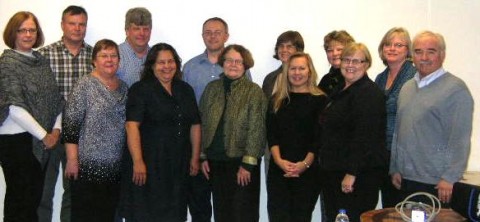
Latviesu fonda valde 2012./2013. gadam. No kreisās puses: Tija Kārkle, Aija Mazsīle, Kristīna Sīmane-Laimiņa,  Anita Liepiņa, Ilze Pētersone, Brigita Rumpētere, Ingīda Bērziņa, Rūdis Bērziņš, datorā Renāte Krūmala-Kenney.

Par Latviešu Fonda (LF) Nedēļas Nogali Nākotnei (NNN) bija izsmeļoša informācija laikrakstos. Gaidīti visi, kas vēlas uzlādēt savas latviskās baterijas vai atkal Latviešu fonda priekšsēde Rīgā.  Ar apdomu NNN sēdes un sarīkojumi bija ieplānoti Filadelfijas 120X120 sarīkojumu skaitā.  Pie iepriekš teiktā, var tikai piemetināt, ka viss tiešām notika, kā solīts.

Kristīna Sīmane-Laimiņa ar enerģiju un izdomu pirmo gadu vadīja Latviešu Fondu un viņai ir izdevies ieviest dažus jaunumus.  Savā ziņojumā viņa izvirza trīs galvenos mērķus – celt LF profilu, iesaistīt jaunus dalībniekus un piesaistīt papildus ziedojumus. Jaunas rosmes ir – pāri par 300 jaunu draugu Facebook portālā, angļu valodas nodaļa mājas lapā. Priekšsēde tikās ar jauniešiem Gaŗezera Vasaras Vidusskolā, kur jaunā paaudze pievienojās, ka turpinot un paplašinot LF darbību svarīgi ir dot informāciju ari angļu valodā.  Tāpat padomē ir bijis jauns postenis – sabiedrisko attiecību vadītāja.  To darbu veic Ilze Pētersone.

Fondam ir 14 jauni dalībnieki, un 10 miruši. Pārrunās par dalības/balsstiesību mantošanu konstatēja, ka Latviešu Fonda balsošanas tiesības, kuŗas balstās uz aizdevuma, ir iespējams novēlēt pēcnācējiem, paziņojot to padomei. To nevar darīt ar ziedojumu rezultātā iegūtām balsstiesībām.

Pagājušajā gadā LF ieguldījumus pārveda no Fidelity uz Merrill Lynch, kur LF akciju paketi ar labiem panākumiem ir apsaimniekojusi Brigita Tupuriņa Rumpētere. Nākamgad visu projektu atbalstam ir paredzēts izlietot $30 000. Sīkāks sadalījums nav vēl izlemts. LF gada sapulci un nedēļas nogali nākotnei ir vēlams rīkot vietās, kur dzīvo lielāks skaits LF dalībnieku tāpēc nākamajam gadam izvēlējās Toronto.

Aptaujas noder organizācijas vadībai uzzināt, ko biedri no viņiem sagaida, vai kāda darbība bijusi derīga, tāpēc padome vēlējās uzzināt, kādā mērā dalībnieki seko LF darbībai presē, internetā,  vai citur.  Izglītībā attīstīti paņēmieni labi darbojas arī citās vecuma grupās. Pie vakariņām bija minēšanas spēle par LF vēsturi un darbību, par pareizu atbildi varēja dabūt reklāmas pogu, un pareizās atbildes zināja daudzi.  Tur uzzinājām, ka LF dalībnieki dzīvo 12 valstīs – tiešām gandrīz visur.

Latviešu Fonda padome 2013. gadam:  Priekšsēde – Kristīna Sīmane Laimiņa; priekšsēdes vietniece, aktīvo projektu lietvede- Aija Mazsīle; sekretārs, vicepriekšsēdis un projektu lietvedis – Ints Dzelzgalvis; vicepriekšsēde/lietvede– Renāte Krūmala Kenney; kasiere – Tija Kārkle; sekretāre/sabedrisko attiecību vadītāja – Ilze Pētersone.

Programmas daļā Vaira Paegle stāstīja par savu pieredzi darbojoties Latvijas politikā, laikā no Tautas partijas dibināšanas, kur viņa ari piedalījusies, līdz laikam, kad viņa atgriezusies uz dzīvi ASV.
Krēslai iestājoties dzejas skandētāji aizdedza sveces un Sandras Milevskas sakārtoto latviešu protesta dzeju sākot ar Ausekli 1873.g. līdz mūsdienām lasīja/deklamēja Ivars Stonins, Laila Medne, Modris Mednis, Sandra Zeidenberga Jansone un pati Sandra Milevska.  Zālē bija izstādīti jauniešu mākslas darbi, un galdiņi Hallowe’en gaidās dekorēti melnās un oranžās krāsās.

Par dalībnieku un viesu labklājību atspirdzinājumiem un vakariņām rūpējās Rita Ramane, Aina Berķe, Jolanta Mockus, kā arī Intas Grundes firma Dzintara galds. 

Svētdien vēl varēja noskatīties video ierakstu no Zigurda Miezīša piemiņas sarīkojuma Rīgā ar Solveigas Miezītes ievadu un komentāriem.

Paldies Ģirtam Zeidenbergam, kas bija uzņēmies NNN rīkošanu, un savus uzdevumus gan zāles izkārtojumam, gan aparatūras maiņās veica gludi un laicīgi. Paldies Filadelfijas Brīvo latvju biedrībai un tās priekšniekam Kārlim Bērziņam par telpām un laipno uzņemšanu.

Anita Liepiņa

image

Latviesu fonda valdes sedes dalibnieki.