Celebrating 25 years, Radio Klasika release 25 digital album collection

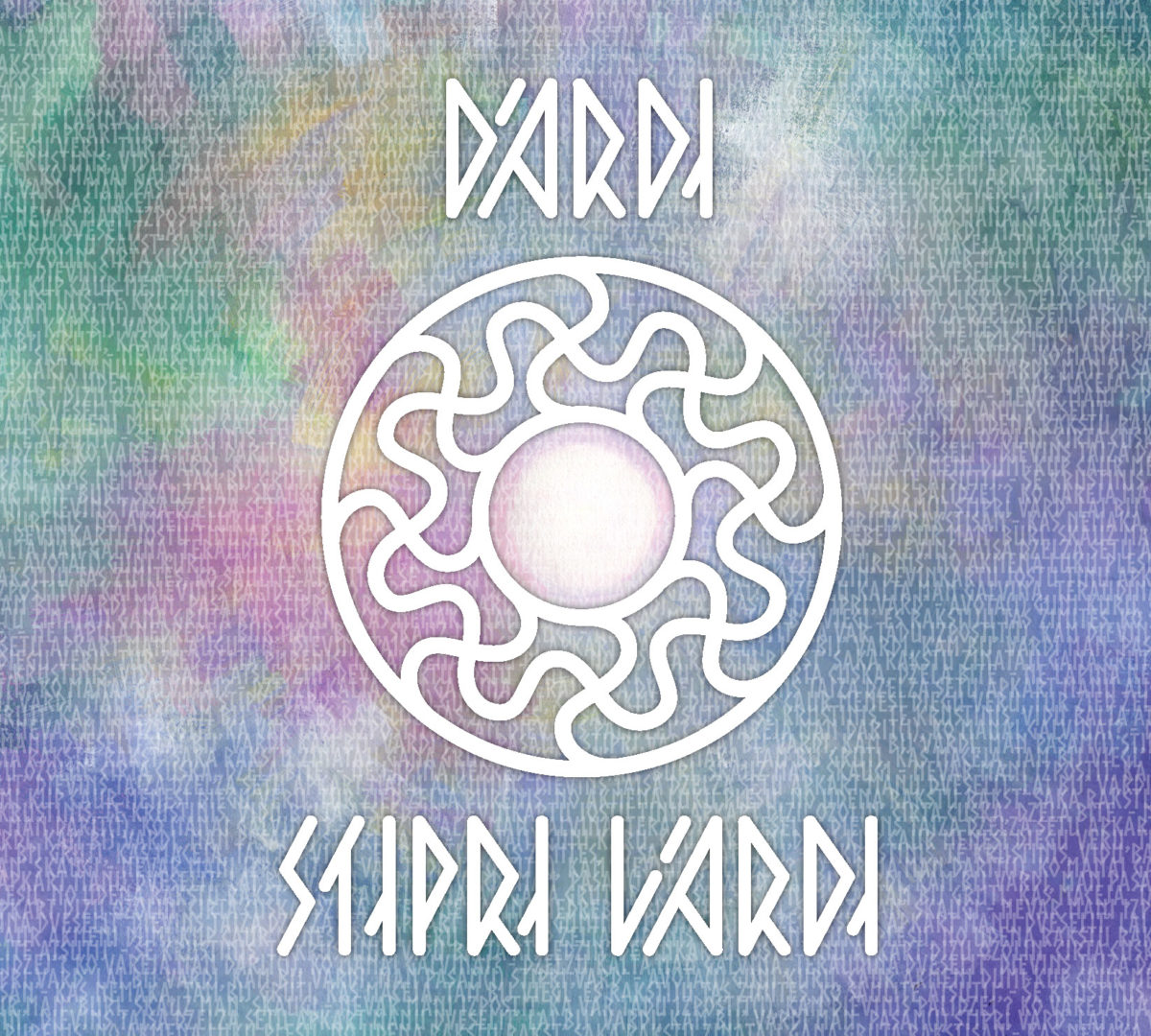
To celebrate the 25th anniversary of Latvijas Radio 3 “Klasika”, the Latvian radio station dedicated to classical and academic music, the Latvian national music label Skani, overseen by the Latvian Music Information Centre, is releasing a 25 digital album series containing some of the best performances from the Latvian Radio archives.

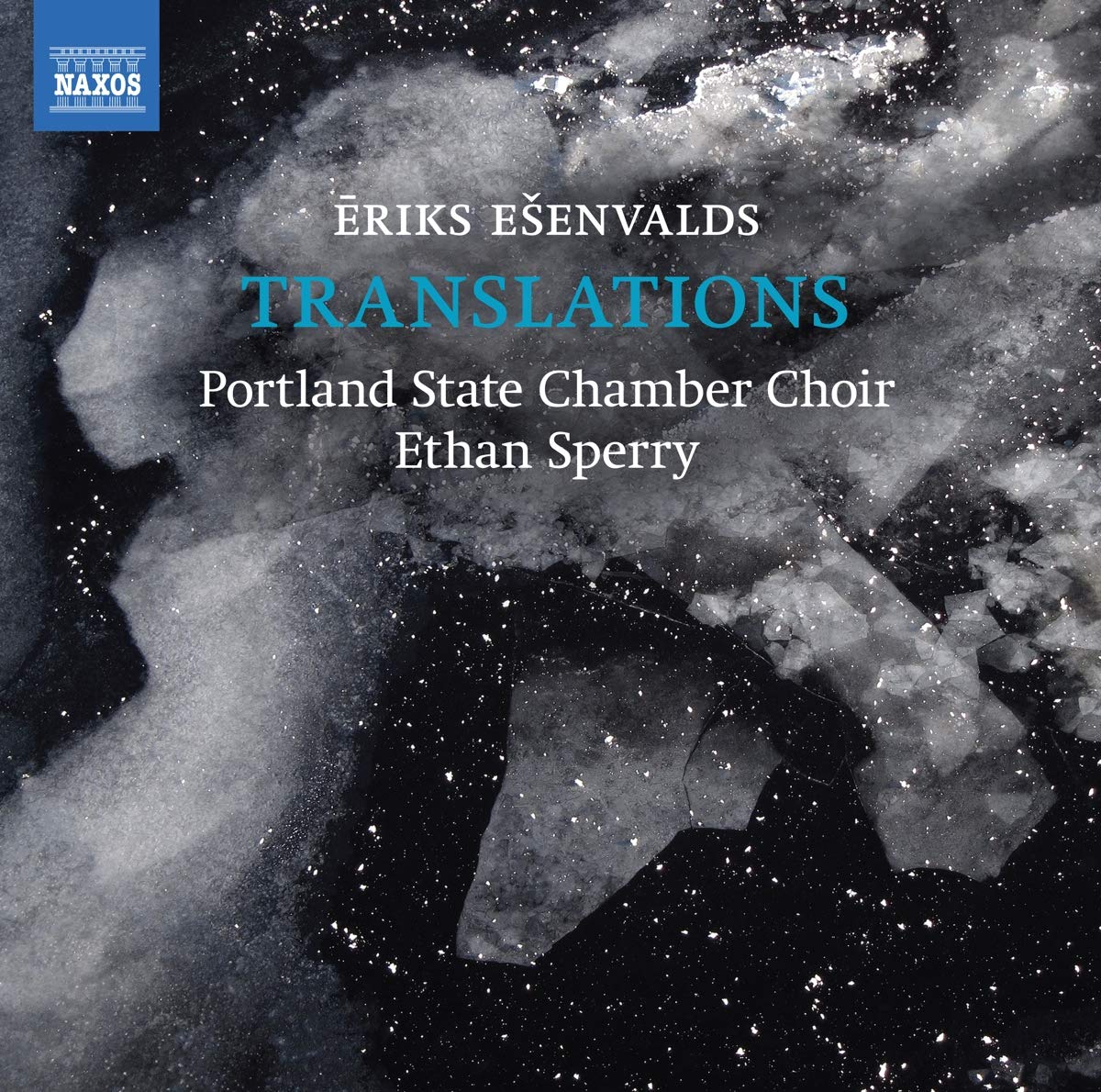
Each album contains the works of one Latvian composer, and the composers selected include a broad range of eras and styles. The series features early Latvian composers such as Pēteris Barisons, Jāzeps Mediņš, and Alfrēds Kalniņš, 20th century composers such as Jānis Ivanovs, Marģeris Zariņš, and Artūrs Grīnups, as well as modern composers such as Ēriks Ešenvalds, Pēteris Vasks, and Andris Dzenītis. There will also be releases that spotlight the work of exiled/diaspora composers like Tālivaldis Ķeniņš, Imants Mežaraups, and Gundaris Pone. Recordings were made between 1963 and 2018.

The albums are available via multiple streaming services.

For further information, please visit the Skani website and the Latvijas Radio 3 “Klasika” website

Egils Kaljo is an American-born Latvian from the New York area . Kaljo began listening to Latvian music as soon as he was able to put a record on a record player, and still has old Bellacord 78 rpm records lying around somewhere.

Vivid works of Latvian composer Plakidis a rich musical legacy

Latvian composer Pēteris Plakidis, who passed away in 2017, left a rich musical legacy. His oeuvre included chamber music, choir music, as well as symphonic music. To highlight his achievements in symphonic composition, the Latvian national record label Skani released the album Atskatīšanās (or Glance Back) in 2019, which collected four of Plakidis’ symphonic works performed by the Latvian National Symphony Orchestra, conducted by Vassily Sinaisky.

Dziedājums, composed in 1986 and dedicated to the 60th anniversary of the LNSO, is full of drama and tension, from the piercing strings that open the work, which are then enhanced with the calls of the trumpets. The brass instruments then present their own discordant sounds in a kind of dialogue with the lighter melodies in the woodwinds. Plakidis regularly alternates between softer melodies and discordant bursts of sound throughout the work, giving the work an ominous feel, that, at any moment, the calm can be broken by a crash of sound. At the midway point, the work reaches its climax, with the strings sounding like an alarm in their relentless performance, which again leads to a moment of calm in the woodwinds and harp performance. The work is punctuated by the sound of a bass guitar, which, with its atypical sound for a symphonic work, adds to the unease. The intensity continues all the way to the conclusion, and only in the closing moments does an air of calmness prevail. Conductor Sinaisky and the LNSO provide for a memorable and nuanced interpretation of this fluid and dynamic work.

Plakidis composed Variācijas orķestrim (or Variations for Orchestra) in 1996, and here again the listener must use their imagination to understand what the variations even are. A tender yet somber descending melody in the strings begins the work, which is then taken over by the woodwinds. An air of mysteriousness arises with the extended performance of the strings, which leads into a deliberate, almost aggressive performance in the brass instruments. An extended interlude gives the work a mystical feel, with brief bursts of activity in all the instruments, but this transforms into an almost grotesque march, with shrieking strings and brass supplemented by thundering percussion.

The composer was known for being very tight-lipped about his works, offering little in terms of explanation or detail about what a work might be about. The CD booklet is then, perhaps appropriately, light on detail on the works, leaving the listener to reach their own conclusions about what the composer was trying to say through his music. The earliest work on the CD – Leģenda (or ‘Legend’), composed in 1976, is also probably the most enigmatic of the four works, perhaps due to the era it was composed (still well into the Soviet occupation of Latvia, as well as the era of stagnation in the Soviet Union). The work begins with a sound like raindrops in the percussion, which is then joined by what might be the sound of birds in the strings. The orchestra does indeed seem to tell a story, and the performance of the LNSO guides the listener through this tale, giving a vibrant vitality to Plakidis’ tale, but it is up to the listener to fill in the details of the story itself.

The appropriately reflective Atskatīšanās (or ‘Glance Back’) closes out this collection. Composed in 1991, at the time Latvia regained its independence during the upheaval in the former Soviet Union, perhaps Plakidis intended this work to be also a kind of a dividing line – between his compositions under the Soviet cultural system and the new, independent Latvian culture. Mystical elements return in this composition, with the sound of the woodwinds akin to a song of conjuring. Still, there are elements of unease and uncertainty, and the work builds to a dramatic crescendo, with tolling of bells to accentuate the somber atmosphere. The music slowly dissipates at the conclusion, perhaps indicating an uncertain, elusive future.

The loss of Pēteris Plakidis in 2017 was a significant loss to Latvian academic music and culture. Though not a prolific composer, the works he did compose were monumental and vivid, and this is confirmed by the recordings on Atskatīšanās. The Latvian National Symphony Orchestra, conducted by Vassily Sinaisky, reveal the many facets and textures of Plakidis’ works, confirming him as a singular orchestral composer.

For further information, please visit the Skani website

Pēteris Plakidis – Atskatīšanās

Latvian National Symphony Orchestra, Vassily Sinaisky conductor

LMIC/SKANI 076, 2019

Track listing:

  1. Dziedājums
  2. Variācijas orķestrim
  3. Leģenda
  4. Atskatīšanās

Egils Kaljo is an American-born Latvian from the New York area . Kaljo began listening to Latvian music as soon as he was able to put a record on a record player, and still has old Bellacord 78 rpm records lying around somewhere.

Cultural heritage of Estonian minority in Ludza explored on CD by Ilža

It may be surprising to some that the town of Ludza, in the Latgale region in eastern Latvia, had, for many centuries, a small but active Estonian minority. Though relatively distant from Estonia itself, these Estonians, or Lutsi, have a rich cultural heritage and their own southern Estonian dialect.

Not far from Ludza is the Cibla parish, home of the traditional folklore group Ilža. Founded in 1990, the group has, throughout their decades of activity, performed songs from the Latgale region and released many CDs. Their latest CD – released in 2019 – called Lutsi Rahvalaulud – Ludzas igauņu dziesmas (or Songs of the Ludza Estonians) explores the songs of the Lutsi. Combining both historical recordings and new performances, the album reveals the deep roots and cultural legacy of the Lutsi.

Ilža worked on this CD for many years, as much research was needed to study the songs. Composer Emīls Melngailis had collected Lutsi songs in the first half of the 20th century, and his work was the foundation for Ilža’s further study, which included listening to audio materials located at the University of Tartu in Estonia.

The CD also includes historical recordings, such as performances by folk singer Anna Germova, originally recorded in the early 1970s, which are then followed by Ilža’s new interpretation. These include ‘Lätş jezänd sanna’, a humorous song about farmer John who has an unfortunate fall into a clay pit and is laughed at by both birds and the old lady he was going to visit. Another song learned from Germova is the joyous ‘Karga mulle kassikyne’, a song about a little bird’s wedding.

Group member Vita Ruduša, vocalist and kokle performer, provides a tender arrangement of ‘Ōdaks ma ta’ süögi tūjat’ in both an instrumental version, as well as a version with vocals. The song, about a ploughman waiting for his lunch, is given a dreamy atmosphere by the sounds of the kokle. Using the sounds of the stabule (or recorder), Ilža provide an almost Renaissance sound to their performance of ‘Kos sa oļļi’ kitsekyne’, about a man asking his billy goat where he has been (textually similar to the Latvian folk song ‘Kur tad tu nu biji, āzīti manu’, but melodically quite different). The kokles and stabules give an appropriately mystical sound to the lullaby ‘Maka kavva, kazu sūrist’.

The extensively detailed CD booklet is also an invaluable resource, as it contains a very detailed history of the Lutsi, as well as words and music for each song, including the lyrics in the Lutsi dialect, as well as Estonian and Latvian. Texts and song descriptions are also provided in English. The booklet also provides theories as to how these Estonians came to live in Latvia, one such theory is that they were fleeing forced conversion from Catholicism to Lutheranism.

Though the Lutsi culture and dialect may be silent today, the songs on Lutsi Rahvalaulud are still full of vitality and life. This small minority has left a legacy that Ilža have revealed in their recordings, and it is clear that the group has put in a significant amount of work to ensure the performances are authentic. The attention to detail comes through in the performances and provides for a fascinating and enjoyable listen to these rarely heard songs.

For further information, please visit the Ilža page on the Lauska website

Lutsi Rahvalaulud – Ludzas igauņu dziesmas

Ilža

Lauska CD087, 2019

Track listing:

  1. Oļļi nūr, oļļi sūr
  2. Lätş jezänd sanna – Anna Germova
  3. Lätş jezänd sanna
  4. Velikyne, armakyne
  5. Nyze hummugu
  6. – Anna Germova
  7. Karga mulle kassikyne
  8. Kits, kits habenilla
  9. Ōdaks ma ta’ süögi tūjat – Anna Germova
  10. Ōdaks ma ta’ süögi tūjat
  11. Ōdaks ma ta’ süögi tūjat (V.Ruduša, instrumental arrangement)
  12. Čīri vīri čirgukyne
  13. Kos sa oļļi’ kitsekyne – Anna Germova
  14. Kos sa oļļi’ kitsekyne
  15. Kiige maagõ – the men’s ensemble “Ütsiotsõ”
  16. Maka kavva, kazu sūrist
  17. Kūzekyne
  18. Ōdaks ma ta’ süögi tūjat (V.Ruduša, vocal instrumental arrangement)

Egils Kaljo is an American-born Latvian from the New York area . Kaljo began listening to Latvian music as soon as he was able to put a record on a record player, and still has old Bellacord 78 rpm records lying around somewhere.