


Amerikas latviešu jaunatnes apvienības valdes sēdēs un ziņojumos, gan šī gada, gan senākos, esmu dzirdējusi par 2×2. Pagājušā gadā priecājos, ka ALJA palīdzēja finansiāli atbalstīt 2×2 no paša sākuma, un novēlēju rīkotājiem visu labāko. Pašai nebija skaidrs kas tas par pasākumu tieši ir, vai tas ir piemērots manam vecumam, vai tur būs paziņas un vai pašai iznāks brīvdienas no darba, lai iznāktu piedalīties. Pamazām jautājumi atrisinājās. Vecāki piedāvāja stipendiju māsai un man un nolēmu, ka varu atļauties lidojumu un brīvlaiku, lai pavadītu nedēļu 2×2.
Pēdejos trijos gados dzīvoju Džordžijā (Georgia). Man ir divi mājasbiedri – Minka un Pinka, kaķīši. Kaimiņos četri cilvēki, četri suņi, vēl divi kaķi. Nākamie tuvākie kaimiņi dzīvo vairāk pa sešām jūdzēm tālāk pa vientuļu lauka ceļu. Variet iedomāties, ar latviešiem neiznāk bieži sastapties. Protams, ikdienā ar ģimeni un draugu sarunājos latviski pa telefonu un tīmeklī, bet satikties ar latviešiem iznāk apmēram vienu reizi mēnesi, ja ne retāk. Tieši tamdēļ sāku apjēgties cik vienreizēja iespēja 2×2 ir – veselu nedēļu uzlabot manu valodu un dzīvot tīri latviskā gaisotnē.
Un tā 2006.g. 26.decembrī ierados Concord Retreat, Rietumvirdžīnijā, cerot uz atvaļinājuma no darba, telefoniem, televīzora un sevišķi no Džordžijas. Māsa un draugs arī klāt, dažas paziņas un draugi lēnām ieradās. Izvēlētā vieta tiešām bija vienreizēja – 2×2 dalībnieki tiešām bija tādā mazā Latvijā kur varējām galīgi atdalīties no Amerikas ikdienas.
Bija atbraukuši vesels bars lektoru. Liela daļa bija atlidojusi no Latvijas, un tas piedeva svarīgu pozitīvu variāciju projektiem un ievirzēm. Rotkaļi Inita un Vitauts Straupes gādāja lai rotkalšanas projekts izdotos, rādot darbus, stāstot par rakstu vēsturi, par senatni un par populārām rotām. Baiba Rubesa, Statoil izpilddirektore un bijušā Latviešu nacionāla jauniešu apvienības Kanādā priekšsēde, arī 2×2 dibinātāja Bruno Rubeša meita, sniedza ne tikai vienu vakara lekciju, bet ikdienā piedalijās ar tādu sparu, ka bez viņas būtu kaut kas trūcis. Viņa ienesa savstarpēju labsajūtu 2×2, atklāja debates par ko nozīmē būt latvietim un aizkāra katra klātesošā jaunieša sirdi.
Vēl lektoru starpā bija arī Latvijas Televīzijas “Kas notiek Latvijā” vaditājs Jānis Domburs, bijušais Amerikas latviešu apvienības un Pasaules brīvo latviešu apvienības priekšsēdis un tagad jaunievēlētais Saeimas deputāts Uldis Grava un par mākslu, mūziku un arhitektūru daudzpusīgi zinošais Mārtiņš Heimrats. Turpretīm mums tepat ASV ir pilns ar talantīgiem, spējīgiem cilvēkiem bez kuŗiem šī nometne nebūtu izdevusies. Rīkotāji Aivars Osvalds un Jānis Grants pēc 10 gadu pārtraukuma atdzīvināja 2×2 un daudz darbu un laiku veltīja, lai 2×2 izdotos. Un lektori un viesi vēl bija sabraukuši no Kanādas, Ilinojas, Mičiganas, Arizonas, Teksasas un citām ASV pavalstīm. Rotkalšana, vitrāža, datorgrafika, filmēšana, relaksija, ansamblis un dēkas dabā projektus visi dalībnieki slavēja. Kādi mēs esam, Latvija šodien, alternatīvie ieskati latviešu kultūrā, latviskā dzīves ziņa un vadīšana bija ievirzes, kuros no rītiem piedalijamies. Apbrīnoju cik daudz talantīgu cilvēku bija sanākuši uz šo nometni, ne tikai no vadības loka un lektoriem, bet arī no dalībniekiem! Ansamblis nedēļas laikā kļuva vai pat jau profesionālas kvalitātes, un talanta vakarā priekšnesumi viens pēc otra visu 2×2 saimi iepriecināja.
Pate biju izvēlējusies piedalīties vadīšanas ievirzē un dēkas dabā projektā. Mārtiņa Pūteļa vadībā dēkas dabā patiešām labi izdevās. Savā maizes darbā nodarbojos kā meža ugunsdzēsēja un grādu saņēmu mežkopībā, vēl pie tam 20 gadus esmu bijusi aktīva gaidu kustībā, tātad jūtos ērti dabā. Tomēr tie 16 dēkas dabā dalībnieki ļoti atdalijās no caurmēra publikas ar savu dabas pieredzi un pieeju. Brīnums bija, ka nedēļas laikā mēs tik ļoti sadraudzējamies un bija liela latviska kopības sajūta. Dzirdot recenzijas par ievirzēm kuŗās dejoja tautas dejas, dziedāja tautas dziesmas, gāja rotaļās un mācijās par senlatviešu parašām un svētkiem bija drusku žēl, ka neizvēlējos citu ievirzi – bet tas vien ir iemesls vecgada vakara laimes liešanā atrast motivāciju apmeklēt nākamo 2×2.
2×2 nekādā ziņā nebija līdzīga nometnēm, kuŗās esmu agrāk piedalijusies. Tie jaunieši, kuŗi bija atbraukuši, to darija jo tie gribēja tur būt, tie vēlējās mācīties par savu latvietību un tiem bija vēlēšanās pavadīt nedēļu latviešu gaisotnē. Aizbraucot uz normālu latviešu jauniešu pasākumu uzkrīt cik lielu lomu iedzeršana un uzdzīvošana ieņem ikdienā. Piemēram ALJA kongresa pilnsapulcē ierodas tikai daļa cilvēku, kaut arī uz kongresu pieteikušies 150-200 cilvēku. 2×2 bija pieteikušies gandrīz tēmētais 100, bet tie simtprocentīgi visi piedalijās un to darīja ar lielu sajūsmu. Vakaros spēlējām duraku un sitām zoli, dziedājām tautas dziesmas un gājām rotaļās līdz agrām rīta stundām. Brīvo laiku pavadijām iepazīstoties ar nepazīstamiem, un kaut atlidoju uz Rietumvirdžīniju pazīstot tikai saujiņu no atbraukušiem cilvēkiem, aizlidoju ar kuplu draugu pulku.
Ļoti ievērojama bija vecumu atstarpa. Kaut programma bija piemērota jauniešiem visos vecumos, pārsvarā bija 16 līdz 22 gadu veci jaunieši. Jutos veca, un man tikai 25 gadi! Man žēl, jo tiešām 2×2 tik daudz piedāvāja, un gribētu lai arī vēl latviski noskaņoti jaunieši, kuŗi jau beiguši universitāti, apmeklētu šo nometni. Nezinu kamdēļ to nebija vairāk; varbūt darbs tos atturēja, varbūt nevarēja atļauties. Aizdomas ir, ka tie apmeklēja citādu veida pasākumus. Turpretīm, kaut ko ļoti piedāvāja piedzīvojumam, ka arī bija jaunieši no Latvijas. Bija svaigs uzskats ne tikai politiskām sarunām, bet gandrīz visās ievirzēs.
Atstāju 2×2 nometni ar degsmi censties atrast savu latvietību, kas varbūt drusku pazudusi pēdejos septiņos gados projām no latviešu sabiedrības. Vēl arvien darbojos ALJA un ceru ar Džordžijas latviešu apvienību turpināt satikties, bet 2×2 man atgādināja cik svarīga ir latviešu folklora, tautas dziesmas un vēsture. Esmu ievērojusi, ka darbā kāda tautas dziesma skan prātā. Un dabā un darbā visur redzu latviešu tikumus, kas man atgādina kapēc vispār vēl runāju latviski. Kad dzīvoju Čikāgā, neapjēdzos cik daudz iespējas tur bija; piedalijos tautas dejas kopā, korī, gaidās, bet tagad trūkst tie dziesmu vakari, groziņu vakari, Čikāgas tautas deju kopas mēģinājumi, un visvairāk, ģimene. Biežāk un biežak pie sevis nodomāju kamdēļ dzīvoju te Džordžijā, kad ģimene, latvietība un latvieši ir tik svarīgi manā dzīvē. Man nepietiek ar to vienu reizi mēnesī, un centīšos izturēt te dienvidos cepjot latviskus ēdienus, lasot latviešu grāmatas un iesaistoties latviešu sabiedrībā cik vien spēju.
Ļoti ceru, ka 2×2 ir atdzīvinājusies un turpināsies. Es ietu atkal, iešu atkal. Vienīgi ir bažas, vai būs tie jaunieši kas spēs vadību pārņemt. Zinu cik daudz ir darams un, ka samazinās tie darītāji. Tomēr ja ir tādi kas grib, tad mēs kopīgi arī atradīsim kā to turpināt. Mudinu visiem latviešu jauniešiem piedalīties nākamā 2×2 – tur tiešām bija jauki, un tur tiešām bija sevišķi latviska vide ar pilnu dalībnieku un organizatoru, lektoru līdzdalību! Mudinu visām latviešu organizācijām finansiāli (bet arī ar lektoriem, organizatoriem) atbalstīt jauniešus, kuŗi izvēlās pavadīt nedēļu latviešu vidē, un nākamās nometnes tapšanu! Nometnes devīze bija “Meklēsim atslēgas!” un es (un drošvien arī pārejie 2x2nieki) nometni atstāju ar pilnām saujām!
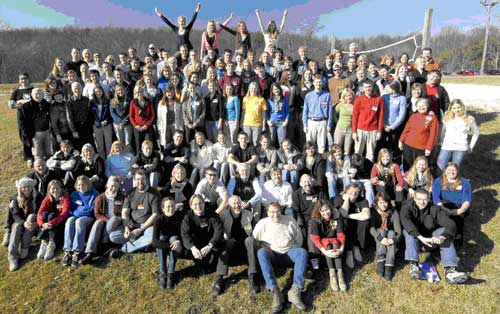
Nometnes dalībnieki, lektori un vadība uz mirkli aptur savu darbību, lai varētu uzņemt kopējo fotogrāfiju.

