Latviešu skolu skolotāji no visas pasaules pulcējas 4. un 5. jūlijā Rīgas lietuviešu vidusskolā, lai pārspriestu latviešu skolu darbību, iepazītos ar Latvijas valsts institūciju patreizējo atbalstu ārzemju latviešu skolām bet galvenais, lai skolotāji un citi izglītibas darbinieki iepazītu viens otru vaigu vaigā un tādā veidā varētu sadarboties viens ar otru daudz personigākā līmenī.
Seminārā “Kopīgais ceļš uz valodu”, kas notika “Tautiešu mēneša” ietvaros, piedalījās 70 dalībnieki no 18 valstīm, ieskaitot Latviju. Skolotāji un izglītības darbinieki sabrauca no Krievijas, Austrālijas, ASV, Kanādas, Zviedrijas, Lielbritānijas, Īrijas, Somijas, Dānijas, Nīderlandes, Luksemburgas, Norvēģijas, Igaunijas, Austrijas, Šveices, Vācijas kā arī Venecuēlas.
Semināru rīkoja Latviešu valodas apguves valsts aģentūra (LVAVA) sadarbībā ar Pasaules brīvo latviešu apvienību (PBLA)
Organizetāju mērķis tika panākts – radīt pec iespējas draudzīgu vidi, kur visi var justies, kā “starp savējiem”. Bieži sanāk tā, ka katra skola darbojas savā pilsētā, pat savā valstī ar maz kontaktu un ieskatiem no citurienes. Ir skolas, kas vēl plāno tuvākajos mēnešos tikai uzsākt darbību un skolotāji un vadītāji meklē informāciju – kā visu iesākt, kur griezties pēc padoma un finansiāla atbalsta.
Semināra atklāšanā piedalījās Valsts prezidenta padomnieks izglītības jautājumos Juris Mauriņš, Īpasu uzdevumu ministrs sabiedrības integrācijas lietās Oskars Kastēns, Izglītības un zinātnes ministres padomniece Nina Linde, PBLA priekšsēdis Mārtiņš Sausiņš, LVAVA direktore Dace Dalbiņa.
Lai iepazītu situāciju, semināra sākuma tika doti īsi pārskati par kopienām – gan Austrumos, gan Rietumos – gan “pēckara”, gan “pēcneatkarības” veidotajās skolās.
Divas dienas runātāji no Latvijas valsts institūcijām sīki izklāstija valdības līdz šim padarīto darbu kā arī minēja atbalsta iespējas diasporas izglītības jomā. LVAVA ir uzņēmusies lauvas tiesu šī darba. Pēdējos desmit gados ir publicēti mācību un metodiskie līdzekļi, ir iespēja piedalīties LVAVA rīkotos diasporas skolotāju semināros. Īpašu uzdevumu ministrijas sabiedrības integrācijas lietu sekretāriata (ĪUMSILS) devums šai jomā arī tika skaidrots – iespēja skolām pieteikties uz valsts dotācijām. Šīs dotācijas ir domātas īpašiem projektiem un nav domātas kā ilgtermiņa finansiāls nodrošinājums skolām. Dotāciju konkursā var pieteikties visas nevalstiskās organizācijas diasporā un tā skolām ne vienmēr var būt garantija, ka katrā dotāciju “raundā” būs iespēja saņemt pabalstu.
Tika ari pacelts temats par “Eiropas skolām”, kur arī māca latviešu valodu. Šīs skolas atrodas valstīs, kur ir Eiropas savienības institūcijas un tur mācās ES institūciju darbinieku bērni, kā arī diplomātu bērni. Dabiski, ka tā kā Latvija ir ES dalībvalsts, latviešu valodu arī piedāvā kā mācību priekšmetu – pašlaik gan vienīgi Briselē un Luksemburgā. Patreizejā Luksemburgas Eiropas skolas skolotāja pastāstija par to, kādā veidā notiek latviešu valodas mācības un kāda mācību viela tiek izmantota.
Aizmirstas netika bērnu un jauniešu nometnes un to loma izglītības veicināšanā, folkloras mācīšana, par ko runāja ļoti pieredzējusā folkloras skolotāja Ilga Reizniece, kā arī tēvzemes mācība, kas ir neatņemama ārzemju latviešu skolu mācību sastāvdaļa.
Īpašs laiks tika arī veltīts darbam grupās, kur bija iespēja pārrunāt vecāku un bērnu motivēšanu valodas apguvei, latviešu valodas apguves metodiku, literatūras apguvas metodiku, kā arī ārzemju latviešu skolu programmu izveidi. Vērtīgas diskusijas izrietēja no šiem diskusiju forumiem, kas vēlāk tika arī iekļautas semināra rezolucijās. Īpaši labi apmeklēta bija valodas metodikas darba grupa, kur pieredzējušās LVAVA bilingvalas izglītības “multiplikatores” (skolotājas) grupas dalībniekus iesaistīja praktiskās nodarbībās.
Paneļdiskusija par repatriantu bērnu iekļaušanos Latvijas izglītības sistemā pieskaras vairākiem tematiem, kas ļoti skar tos tautiešus, kas patreiz dzīvo ārzemēs un domā ar laiku atkal atgriezties Latvijā. Lai gan maz laika bija iedzilināties detaļās, tomēr pacelās vajadzība pēc psiholoģiska atbalsta bērniem, kas parceļas uz Latviju, jo iekļaušanas vietējā vide ir reizēm sarežģīta.
Tika kopīgi izstrādata rezolūcija ar septiņiem punktiem, par kuru tālāk virzīšanu ir plānots griezties pie atbildīgajām valsts iestādēm, lai ārzemēs dzivojošo latviešu izglītības vajadzības tiktu nodrošinātas. Rezolūcija pieprasa:
- Izglītības un zinātnes ministrijai izveidot mācību vadlīnijas diasporas skolām, ņemot vērā šo skolu mācību stundu skaitu.
- Ministrijai risināt ārzemju latviešu skolu beidzēju izglītības pielīdzināšanas jautājumu Latvijas izglītības sistēmai.
- Ministrijai un LVAVA turpināt pilnveidot tālākizglītības kursus diasporas skolu skolotājiem.
- PBLA Izglītības padomei regulāri informēt diasporas skolas un skolotājus par mācību materiāliem un metodisko literatūru, tālākizglītības kursiem, kā arī par to, kur var iegādāties mācību līdzekļus, rotaļas un spēles, rotaļdziesmas valodas apguvei, informēt par institūcijām, kur var meklēt atbalstu mācību procesa veidošanai. Reize pieprasa Izglītības un zinātnes ministrijai un LVAVA izveidot elektronisku “darba rīku kasti” jaunajiem skolotājiem, kurā iekļauta iepriekš minētā informācija.
- ĪUMSILS Tautiešu mēneša ietvaros arī turpmāk iekļaut ārzemju latviešu skolotāju semināru.
- PBLA Izglītības padomei atbalstīt un atkārtoti izdot vērtīgus mācību materiālus, kuri vairs nav pieejami, piemēram, V. Klētnieka Senču raksti un M. Laiviņas Rotaļas.
- Ministrijai atbalstīt praktisku folkloras mācību ieviešanu visās Latvijas pamatskolās.
Galvenais, ko seminārs panāca bija, ka tas mazināja informācijas un sadarbības trūkumu starp “veco” un “jauno” diasporu, Latvijas valsts institūcijām un citām iestādēm, kas nodarbojas ar latviešu valodas mācīšanu pasaulē.

Melburnas latviešu biedrības skolas “Daugava” pārzine Ivetas Laines vadībā darba grupa pārrunā ārzemju latviešu skolu programmu izveidi. (Foto: Daina Gross)
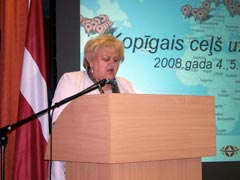
Dace Dalbiņa, Latviešu valodas apguves valsts aģenturas direktore, uzrunā semināra dalībniekus. (Foto: Daina Gross)
Daina Gross is editor of Latvians Online. An Australian-Latvian she is also a migration researcher at the University of Latvia, PhD from the University of Sussex, formerly a member of the board of the World Federation of Free Latvians, author and translator/ editor/ proofreader from Latvian into English of an eclectic mix of publications of different genres.