Sarmīte Māliņa mākslā sākusi darboties 20. gadsimta 80. gadu beigās un līdzīgi kā Ojārs Pētersons, Oļegs Tillbergs, Sergejs Davidovs, Kristaps Ģelzis, Andris Breže, Indulis Gailāns, Juris Boiko, Juris Putrāms, Aija Zariņa u.c. aizsāka jaunu mūsdienu latviešu mākslas posmu.
90. gadu paaudzes lasītāji noteikti atminēsies pirmās performances ar Māliņas līdzdalību, tā paša laika jaunatnes žurnālu “Avots”, kura radošajā grupā viņa ietilpa, un dažādas izstādes pilsētvidē. Tiem, kuriem šis laiks nebija tāls no dzimšanas mirkļa, Māliņas darba rezultātus tagad ir iespēja sataustīt pastkastītē vai aplūkot kādā grāmatā. Paralēli mākslas radīšanai Māliņa jau vairāk nekā trīspadsmit gadus ir laikraksta “Diena” galvenā māksliniece un darbojas grāmatu ilustrāciju jomā. Desmit gadu periodā saņēmusi gan apbalvojumus, gan arī sašutuma pilnus komentārus.
Pēdējos gados Sarmītes Māliņas vārds parādījies kopdarbos ar fotogrāfu Kristapu Kalnu. Tandēms veiksmīgi pieteicis sevi laikmetīgās mākslas izstādē Maskavā un Cēsu mākslas festivālā, iegūstot skatītāju simpātiju balvu. Savukārt ekspertu komisijas simpātiju rezultātā Cēsu mākslas festivāla darbs “Mīlestība nekad nebeidzas” izvirzīts pirmajai Vilhelma Purvīša balvai.
Armands Zelčs: Ko atstāji deviņdesmitajos? Ko tagad vairs nedari?
Sarmīte Māliņa: Mazāk sanāk dejot pa galdiem.
A.Z.: Ap to laiku sāki arī dienu pavadīt “Dienā”.
S.M.: Jā. Pēc tam kad mani atbrīvoja no darba trolejbusu un tramvaju pārvaldē, laikraksta “Diena” pielikumam “Sestdiena” bija vajadzīgs mākslinieciskais redaktors. Toreiz tas vēl bija lielformāta, melnbalts izdevums. Vēlāk – krāsains žurnāls. Tagad galvenās rūpes ir pamatavīze.
A.Z.: Neesmu strādājis laikrakstā, bet pieļauju – rodas grūtības sabalansēt rūpes par pamatavīzi ar rūpēm par pamatnodarbi?
S.M.: Tas ir pilnīgi kaut kas cits! Es domāju, visiem ir vienādi – darbs, ar ko tu pelni maizi, un tad daži brīži, kad tu darbojies ar mākslu. Jāpiepūlas un jākoncentrējas, lai šis fakts vispār notiktu, jo nav viegli izbrīvēt tam laukumu.
A.Z.: “Laukumu” izbrīvē periodiski?
S.M.: Nu saproti – kā nepārtraukti varētu strādāt! Kur to darīt? Kur to likt? Kam tas vajadzīgs? Tas jau nekam nav vajadzīgs. Ja ir izstāde, kam dīvainā kārtā esi pavilkts līdzi, tad kaut ko radi. Pārējo es visu, ja ienāk galvā, pierakstu. Bet, ja nepierakstu, tad tas tūdaļ aizmirstas, lai cik izcils arī konkrētajā brīdī šķistu. Otrajā dienā vairs neparko to nevari atcerēties. Tev tā nav?
A.Z.: Es visas lapiņas parasti pazaudēju. Vai arī aizmirstu, ka kaut ko esmu pierakstījis. Kad apjauti vēlmi darboties mākslā?
S.M.: Nebija jau cita ko apjaust! To laikam kā vairākums sapratu bērnībā! Skolā, vismaz manā laikā, bija sienasavīzes. Tur visi zīmēja, centās, lai būtu smuki… Piedalījos visādos zīmēšanas konkursos. Par kategoriju “māksla” tad vēl nedomāju. Nesapratu tikai, kāpēc lielie mākslinieki tajos konkursos apbalvoja tādus, kuri, kā toreiz šķita, pat neprata aizkrāsot līdz malām. Tagad, kad esmu liela, saprotu, kāpēc tie mākslinieki izvēlējas tos “nemākuļus”.
A.Z.: Liela izaugi būros?
S.M.: Tagad, ar laika distanci, to tā varētu uztvert, bet vienlaikus jāsecina, ka tas bija bērnības rotaļu turpinājums. No šāda aspekta vēl joprojām esmu “trušu būrī”. Par to prieks. “Cilvēki būros” varētu būt pirmā nopietnā akcija. Trīs dienas pirms tam sēdējām ar Sergeju, Oļegu un papīru čupām. Mums bija neskaitāmas idejas, un tad pienāca tās dienas rīts ar būriem. Ja pareizi atceros, nelietojām pat alkoholu. Īstajā rītā sapratu: kaut tā diena nebūtu pienākusi! Bija drusciņ bailes, bet Oļegs piezvanīja no Zaķusalas un teica, ka viņš trušu būrus jau atradis un traktoru noorganizējis. Nekas cits neatlika kā iet un darīt to visu.
A.Z.: Sadarbība ar Oļegu un Sergeju turpinājās arī pēc tam?
S.M.: Jā! Mākslas dienu ietvaros sanāca. Tas bija tāds lauciņš, kur varēja plosīties. Arī akcija “Staburaga bērni” stacijas tunelī. Sergejam bija paredzēts vilkt ūdenslīdēju skafandru, viņam tajā rītā bija 38° temperatūra, un tas skafandrs bija mežonīgi smags, bet viņš to visu izturēja. Taču pēc tam gan nolikās uz vairākām dienām.
A.Z.: Tagad Mākslas dienās tāds panīkums iestājies.
S.M.: Varbūt tas ir atkarīgs no tā, kas organizē to visu. Jo tas ir tāds, nu… Kaut gan tajos laikos arī bija dažādas izstādes, nav tā, ka visi tikai skraidīja pa tuneļiem ar miličiem apkārt.
A.Z.: Varbūt bija grūtāk nokļūt izstāžu zālē nekā tunelī?
S.M.: Tunelis bija iespēja. Nevajadzēja mudināt nevienu. Gods bija piedalīties. Un azarts. Šīs akcijas tunelī un citur arī bija 90. gadu mākslinieku paaudzes neapjausta darbības pozīciju nostiprināšana. Bija arī gājieni no akadēmijas uz Doma laukumu, bet tas nebija gluži tas pats, kas tunelī. Tajos laikos arī Teātra dienas bija notikums, kad aktieri kostīmos gāja pa Brīvības ielu. Tagad Artmanes bēres varbūt pavilkās uz to. Bija taču grezni?
A.Z.: Biju šokā! Vai profesija “mākslinieks” pieskaitāma pie tām, kur pensionēšanās vecums iestājas pēc 30 gadiem?
S.M.: Redze noteikti pasliktinās, bet vēl pēc desmit gadiem. Esi drošs, pati pārbaudīju. Kapitālisms arī palīdz novecot. Atceros brīdi, kad aizgāju uz karnevālu tieši no “Dienas” redakcijas. Vienīgā maska man bija kartona kaste galvā. Ātri noreibu tajā karnevālā, sēdēju kaktā un raudāju, jo nebija vairs spēka tusēt pa īstam.
A.Z.: Bet tu jau atrodi laiku jauniem darbiem un izstādēm.
S.M.: Nu nav man nevienas izstādes! Personālizstādes.
A.Z.: Kāpēc tā?
S.M.: Sadzīviskā šaurība. Es te, šajā dzīvoklī, esmu tikai otro gadu. Dēļ tās šaurības bija nonācis tik tālu, ka akvareļus nācās gultā rāmēt. Ko citu! Šīs ir tālaika paliekas (rāda uz ovālveida skapīti – galdiņu ar caurspīdīgu virsmu, kur iekšā visvisādi sīkumiņi). Šis, piemēram, ir Kristapa Ģelža pirksts no viena darba. Man viss bija mikroskopisks. Visas manas iztēles un fantāzijas varēja ietilpt tādos sīkumos. Tagad ir pretējais: es tos sīkumus vairs nevācu. Bet neesmu iemācījusies dzīvot viena. Es tev parādīšu vienu kasti… (aiziet pakaļ kastei, pēc brīža atnāk atpakaļ ar papīra rulli). O! Gribi, es tev Andra Brežes darbu uzdāvināšu? Vienīgais – tur rakstīts: Sarmītei.
A.Z.: Tu esi ar mieru no tā šķirties?
S.M.: Nu jā, tu redzi – ir pagājuši desmit gadi, un es nespēju to nekur eksponēt. Būs tikai jāpieraksta, ka es tev atdāvināju.
A.Z.: Paldies! Ļoti labprāt pieņemšu.
S.M.: Tā kaste ir jāatrod! (aiziet atkal meklēt kasti)
A.Z.: Klau, bet tev jau arī pirms diviem gadiem bija palieli darbi.
S.M.: Jā, tiešām?!
A.Z.: Par šauru vidi nereti nākas dzirdēt visas Latvijas kontekstā. Neesi kādreiz apsvērusi iespēju darboties ārzemēs?
S.M.: Kļūst interesanti (vēl joprojām meklē kasti). Nu labi, varbūt atradīsies… It kā te nav tik daudz vietas, lai varētu kaut ko noslēpt. Gribi, es tev sarkanu šalli ar uzrakstu Coca-Cola atdošu? Dabūju to, kad Kristaps Kalns man ieteica nopirkt divas pudeles šī brīnišķīgā dzēriena.
A.Z.: To savukārt man var nebūt, kur eksponēt.
S.M.: Pie kā mēs palikām?
A.Z.: Pie tā, vai tev nav bijusi iecere doties prom no “Mazās Parīzes”, “Vidzemes Šveices”, nezinu… “Plakanās Gruzijas” – oriģinālvietās laimi meklēt?
S.M.: Vīru, ja? Nu bet es neesmu tāds cilvēks, kas spētu ar sevi to izdarīt. Domāju, uz mani tas neattiecas. Es vispār neprotu dzīvot! Kur nu vēl tāda rosīšanās.
A.Z.: Turi kādu aizdomās, ka prot?
S.M.: Aizdomas, ka dzīvot prot B.G.1 Vismaz ir mācījies to darīt.
A.Z.: Tad jau Uldis Tīrons arī!
S.M.: O! Tu lasi “Jauno Laiku”?
A.Z.: Reizi četros gados. Ko tu lasi?
S.M.: Ko es lasu? Lasīšana kā izklaide man tagad nedarbojas. Ļoti grūti sastapt ko tādu, kas paņem uzmanību pa īstam. Cerēju uz Deivida Linča (David Lynch) “Ķerot lielo zivi: meditācija, apziņa un radošais gars”, bet atdūros pret nodaļu “Klauna smacējošais gumijas kostīms”. Tālāk netiku, jo man šķita, ka viņš ir pārāk laimīgs. Es vēl pie tā atgriezīšos. Peļēvins labs. Lasīšana prasa nodošanos. Šobrīd manis nav tik daudz. Kaut kā dalos.
A.Z.: Vai sadarbība ar Kristapu Kalnu arī sākās ar grāmatām?
S.M.: Jā. Pirmā grāmata – Jāņa Steika dzejoļu izlase. Prieks, pārsteigums. Tur bija, kur izvērsties. Tā aizgāja. “Kultūras Dienas” vāki. Vēlāk Vilnis Vējš uzaicināja piedalīties nelielā izstādītē “Pornogrāfija”. Tur mēs uztaisījām pirmo darbiņu, tādu pavisam naivu. “Fricis Bērziņš”. Biji? Nebiji.
A.Z.: Gribēju, bet nesanāca aiziet.
S.M.: Tas bija vienā dzīvoklī. Tā izstāde. Mums piešķīra vannasistabu. Kas tad tur bija: tumsa, beibis – lelle, kas, re, kur uz skapja stāv. To es nopirku vienā bērnu apģērbu veikalā. Tad Jēzus pie sienas, un vannā melnos samtos bija apslēpts aparāts, kas atskaņoja Veras Singajevskas bērnu pasaciņas. Tāds šausminieks. Nu jā, un tad Ivars Henrihsons uzaicināja piedalīties “Rudens” izstādē. “Arsenālā” augšā mēs uztaisījām darbu, kas man pašai ļoti patika. Darbs saucās – “Snauda darbojas”.
A.Z.: Snauda! Telefona režīms?
S.M.: Jā, man tas teksts likās tik jocīgs, bet ļoti piestāvēja dar-bam. Pats darbs radās, ejot uz Matīsa tirgu iepirkties caur pirmās slimnīcas teritoriju. Tajā vietā parasti sajūtos kā Tomasa Manna “Burvju kalnā”. Morgā bija remonts, gandrīz viss bija iznests ārā. Man tā teritorija dikti patīk. Esi bijis?
A.Z.: Vienreiz. Sanāca pat nest laukā “gatavo produkciju”.
S.M.: Ā! Tad jau tu zini to vietu. Nuja, bija rudens, lapas dzeltenas, tāda baznīcas atmosfēra, un no morga bija iznestas skārda kušetes, uz kurām liek cilvēkus. Kušetes bija izvietotas zem koka. Šis skats man likās tāda paradīze: tikai atlaisties – un viss…
A.Z.: Ja nemaldos, ēkai blakus ir arī tāds maziņš baseiniņš. No Šarlotes ielas puses ejot, var redzēt.
S.M.: Nu jā, un tad es pasaucu Kristapu, viņš nofotografēja to visu, izdomājām, kāds mums būs tas darbs. Tad vajadzēja tos īstos galdus. Zvanīju uz turieni neskaitāmas reizes un baidījos, ka tik tas remonts nebeidzas un tas viss netiek ienests iekšā. Remonts beidzās. Sazvanīju morga vadītāju. Viņa teica, ka nedos kušetes, bet es teicu, ka atnākšu pie viņiem. Aizgāju. Manuprāt, lai atvēsinātu, mani aizveda tādā kā ekskursijā.
A.Z.: Paskatīties uz realitāti?
S.M.: Jā, paskatīties, bet es nemaz nenoģību! Brīnumaini. Bet nu atvēsinājos – atteicāmies no idejas par autentiskajām mēbelēm. Dabūjām “ARSā” kušetes un pasūtījām augšas pie skārdniekiem. Un tad uz vienas no gultiņām tika projicēts gulošs Kristaps un uz otras es melnās drēbēs. Bija arī muzikālais pavadījums. Tādi kā sirdspuksti. No neskaitāmām spuldzītēm veidots aplis, kam iedegoties nevarēja redzēt projekciju, bet izdziestot attiecīgi bijām redzami mēs. Jā, un kas pēc tam… “Altāris” un tagad Cēsis – tas arī viss.
A.Z.: Bija arī neliela skandāla konvojēts notikums Sv. Marijas Magdalēnas baznīcā.
S.M.: Tā bija, bet tas jau nav vērā ņemams satraukums, ko būtu nepieciešams apspriest. Par darbu “Altāris” kardināls Pujats bija ļoti nobažījies. Viņš zvanīja tajā vakarā, kad mēs visu uzstādījām, un teica par galveno tēlu: “Tāds resns un spalvains.” “Altāra” iecere vilkās divus gadus. Ideja radās, vērojot Lieldienu altārus, ko veidojušas draudzes dažādā izpratnē par māksliniecisko kvalitāti. Lieldienās tas kļūst par centrālo altāri. Tā radās ideja tur ievietot video. Darbība bija tikai tā, ka tēls drusciņ elpoja un kustējās fons. Lieldienu rītā, mirklī, kad notika augšāmcelšanās, tas piecēlās un pazuda. Video ilga trīs dienas. Lai viss notiktu laikā, bija sarunāts cilvēks no baznīcas. Viņš pamāj, mēs pārslēdzam video uz augšāmcelšanos. Atceros, bijām ļoti sastresojušies, ka pārslēgšanas brīdī monitorā varētu parādīties kāds tehnisks uzraksts, bet viss notika bez starpgadījumiem. Protams, tas nebūtu īstenojams bez pārsteidzošas pretimnākšanas no draudzes puses.
A.Z.: Vai Maskavā izstādītais darbs “Vienīgais” ir “Altāra” turpinājums vai suverēna vienība?
S.M.: Suverēna vienība.
A.Z.: Sākot ar darbu “Jā un Nē. Sadalītais krusts”, tavā darbībā iezīmējās reliģijas tēma. Tā jau nav nejaušība?
S.M.: Jā un nē…
A.Z.: Vai mīlestība nekad nebeidzas?
S.M.: Vismaz tā bija rakstīts uz krustiem Ukru gāršas kapos. Tas ir pie Lietuvas robežas. Nokļuvām tur, strādājot pie Imanta Ziedoņa fotoalbuma. Tur arī uzraksts iesēdās atmiņā un vēlāk kļuva par darba nosaukumu. Bija jau neērti veidot kaut ko tik saldu, bet saņēmāmies. Rezultātā sanāca līdzīgi kā mūziķiem – nospēlē ko saldu, un tev par to neko sliktu nesaka, bet velk līdzi.
A.Z.: Pirmo reizi dzirdu par Ukru gāršu, bet daudzkārt esmu lasijis, ka uzraksts “Mīlestība nekad nebeidzas” figurēja arī Cēsīs.
S.M.: Jā, to mēs uzrakstījām uz tās mājas sienas, kurā bija mūsu darbs. Bija sakrājies.
A.Z.: Kopsummā esat iekļuvuši laimīgajā astoņniekā?
S.M.: Jā, tā kaut kā sanāca. Mani jau tagad satrauc doma, ka būs tas pasākums – Purvīša balvas pasniegšana – un tur vajadzēs būt publiskam cilvēkam. Žēl, ka Ģelža tajā astoņniekā nav. Es tev to kasti tā arī neparādīju…
Sarmīte Māliņa dzimusi 1960. gadā Aknīstē (Jēkabpils raj.). Beigusi Rēzeknes Lietišķās mākslas vidusskolu (1980), Latvijas Valsts Mākslas akadēmijas Dizaina nodaļu (1986). No 1994. gada strādā laikrakstā “Diena” par māksliniecisko redaktori. Darbības jomas: objekti, instalācijas, grafiskais dizains, ilustrācija, zīmējums, akvarelis, performance.
1. Boriss Grebenščikovs
(Redaktora piezīme: Raksts pārpublicēts ar redakcijas atļauju no Latvijas vizuālo mākslu žurnala Studija.)
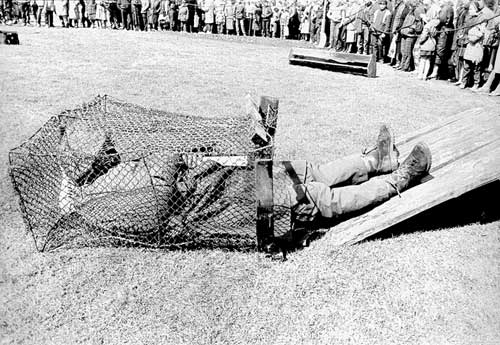
“Cilvēki būros” bija Sarmītes Māliņas, Sergeja Davidova un Oļega Tilberga performance Filharmonijas skvērā (tagad Līvu laukums) 1987. gadā Rīgā. (Foto no Sarmītes Māliņas personīgā arhīva)
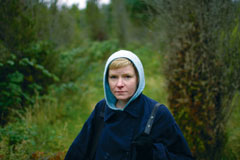
Sarmīte Māliņa (Kristapa Kalna foto)
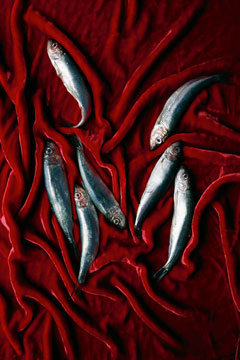
Sarmītes Māliņas vāks laikraksta “Diena” pielikumam “Kultūras Diena”. (Kristapa Kalna foto)