Choir’s collection is one of the best ever

Description of image

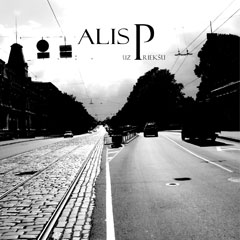
Many people are quick to heap praise on conductor Māris Sirmais and his work with the State Choir Latvija, and with good reason. They have achieved laurels worldwide, and have released many noteworthy recordings. In 2008, Sirmais and Latvija released yet another excellent and significant collection of choir songs, No Baltijas krasta / From the Baltic Coast.

No Baltijas krasta collects some of the best choir work by noteworthy Latvian, Lithuanian and Estonian composers.

Of particular note is the recording of Latvian-Canadian composer Imants Ramiņš’ arrangement of the Latvian folk song “Pūt, vējiņi!” Differing from the traditional arrangement by Andrejs Jurjāns, this version has a subtly different melody and adds the rarely heard sixth verse, “Pats precēju līgaviņu, Tēvs, māmiņa nezināj’” (I wed my own bride, asking neither mother’s nor father’s leave). I am rather surprised that this extra verse is not normally heard, as it adds a bit of context to the song itself (about a man not being given permission by a girl’s mother to marry her). One of the most beautiful of Latvian songs is given a fresh and memorable look by Ramiņš, as well as soprano soloist Sanita Sinkēviča.

From Catholic Lithuania we are given the very spiritual “Pater Noster” by Vytautas Miškinis, who specializes in musical arrangements of religious texts. The piece begins quietly, rises to a crescendo, then, as the prayer is delivered, closes with a barely audible “Amen.” Miškinis displays his innate ability to transform these Latin texts into powerful works of music, magnificently assisted by Sirmais and the choir.

Latvia is also represented by the very spiritual Pēteris Vasks and one of his most famous choir works, the ominous “Māte saule,” with lyrics by Jānis Peters. The text at first glance seems to be simply about a new day breaking and about baking bread, but becomes a powerful statement on eternity with the music of Vasks, giving the sense that humanity itself is hanging in the balance.

If “Māte saule” can be called ominous, then “Raua needmine” (Curse Upon Iron) by Estonian composer Veljo Tormis is downright sinister, if not terrifying. The text is full of violent imagery of weaponry and death—and the music requires a heroic effort by tenor soloist Juris Jēkabsons, as well as bass soloist Zigmārs Grasis.

Besides the aforementioned works, the CD contains recordings of works by Ēriks Ešenvalds, Arvo Pärt, Rihards Dubra, Pēters Butāns and Georgs Pelēcis, covering the broad spectrum of Baltic composers and their styles.

No Baltijas krasta is one of the best and most valuable choir music collections I have heard. So much great music has come from the Baltic countries that to narrow it down to one single album is not possible, but as an overview of modern Baltic choir music, this CD is second to none. Thanks to the tireless efforts and artistic talent of conductor Sirmais and the State Choir Latvija, we, the listeners, are blessed.

Details

No Baltijas krasta / From the Baltic Coast

State Choir Latvija

VAK,  2008

VAK-0801

Track listing:

Imants Ramiņš, Pūt, vējiņi

Ēriks Ēšenvals, Sara Teasdale, Evening / Vakars

Vytautas Miškinis, Pater Noster / Mūsu tēvs

Arvo Pärt, The Deer’s Cry / Brieža brēciens

Pēteris Vasks, Māte saule

Rihards Dubra, Hail, Queen of Heaven / Esi sveicināta, debesu karaliene

Pēteris Butāns, Sākumā bija vārds

Georgs Pelēcis, Смертью смерть поправ / Nāvi ar nāvi iznīcinājis

Eksapostilārijs / Ексапостиларий

Stihīra / Стихира

Aleluja / Аллилуия

Rihards Dubra, Ja Tu no debesīm nonāksi

Veljo Tormis, Raua needmine / Dzelzs apvārdošana

Where to buy

Purchase No Baltijas krasta / From the Baltic Coast from BalticMall.

Note: Latvians Online receives a commission on purchases.

Egils Kaljo is an American-born Latvian from the New York area . Kaljo began listening to Latvian music as soon as he was able to put a record on a record player, and still has old Bellacord 78 rpm records lying around somewhere.

A new order emerges, or old troubles are re-emerging

Recent political attention in Latvia has been sharply divided between the government of Prime Minister Valdis Dombrovskis desperately trying to pull Latvia out of its financial mess with the aid of the International Monetary Fund, and new political developments particularly centred around the Rīga City Council election.

The European Parliament elections, held on the same day as municipal elections, also testified to significant new political shifts—not all of them positive for Latvia.

The results of the June 6 municipal elections saw an unprecedented change of power in Rīga. With glamour boy Nils Ušakovs as leader, Harmony Centre (Saskaņas centrs, or SC) swept to victory, gaining 26 of the 60 seats on the city council. Remarkably for Latvia’s usually highly fragmented election results, only three other parties gained seats by crossing the 5 percent vote threshold: Ainārs Šlesers’ First Party of Latvia (Latvijas Pirmā partija, LPP) gained 12 seats, Prime Minister Dombrovskis’ New Era (Jaunais laiks, JL) got 8 seats, and Sandra Kalniete’s and Valdis Kristovskis’ relatively new Civic Union (Pilsoniskā savienība, PS) had a strong performance and earned 14 seats. Effectively, all of the coalition parties that previously held power were expunged in a stunning turnaround, and two former leading parties, People’s Party (Tautas partija, TP) and the Union of Greens and Farmers (Zaļo un zemnieku savienība), gained less than 2 percent of the vote.

An immediate coalition formed between the SC and LPP, with a friendly political business agreement that Ušakovs will be mayor, while the ever-opportunistic Šlesers gained a sinecure as vice mayor and—more lucrativley—as head of the Rīga Port Authority (Rīgas Osta), an organisation whose finances and operations have been shrouded in secrecy, making murky agreements with cargo shipping companies but failing to support a single sustained passenger ferry service between Rīga and any port in the Baltic.

The strength of SC support, and the survival and even growth of the often scandal-ridden LPP, brings ominous portents for Latvia’s future. Clearly, the Rīga elections are just one stage in a desire ultimately by these parties to control the Saeima (Parliament) at next year’s scheduled national elections.

Reactions have been mixed. Some observers have seen it as a sign of growing Russian influence, others as signs of corruption shifting from the national level (where it seems there is little left to steal) to Rīga with its many assets. For others, however, this election has represented a clearing of the air. Instead of constantly shifting coalitions between many parties and unclear responsibilities for decisions, as characterised by the previous city council, it is now clear who will be responsible for anything that happens in Rīga—for good or bad. The SC, which has always been in opposition at national and Rīga levels, will now be tested, and the activities of the LPP will also be now more apparent.

Meanwhile, the elections for the European Parliament delivered a more mixed result, which reminds us once more that Rīga is not all of Latvia. The eight Europarliament deputies were divided among SC (2), PS (2—another strong showing for this new party) and one each to other parties. Two-time former Prime Minister Ivars Godmanis gained a place for the LPP in alliance with Latvian Way (Latvijas ceļš). JL’s deputy is the former Latvian-American Krišjānis Kariņš. The beleaguered For Fatherland and Freedom (Tēvzemei un brīvībai / LNNK) returned its former deputy Roberts Zīle, as did the Moscow-leaning For Human Rights in United Latvia (Par cilvēka tiesībām vienotā Latvijā), whose veteran Soviet imperialist Tatjana Ždanoka retained her place. The last two barely passed the 5 percent barrier to election.

On the Rīga City Council, SC lost no time in making the improved status of the Russian language an early objective. Various hints of allowing more Russian language use in public administration (againt the current state language law) are early indicators of what is likely to be a renewed long-term battle. Of immediate concern, however, has been Ušakov’s move to shut down the non-Russian and non-Latvian schools and have them join the Russian stream.

Since regained independence, Latvia has encouraged the non-Russian communities to develop their own schools. In about a dozen schools the language of instruction is Lithuanian, Ukrainian, Estonian, Polish or other minority language.

This move comes because of the significant decline of numbers in Russian schools in Rīga. For example, in 1990-1991, there were some 33,100 students in Latvian schools in Rīga, dwarfed by the 67,000 in Russian schools. However, Rīga has seen a radical dwindling of numbers in Russian-stream schools, so that in 2008-2009 there were 33,700 Russian students, now slighly overshadowed by those in Latvian-stream schools, 34,600. Yet there has not been a proportional closing down of Russian schools, with only a few closures or mergers.

The desire to close all non-Russian and non-Latvian schools and join them to Russian-stream schools is one more attempt—sustained now for two decades—to count all non-Latvians as “Russian speakers.” In fact the smaller nationalisties do not see themselves at all as part of the Russian mass, and will resist this move strongly.

Meanwhile, against the backdrop of these political innovations, the Dombrovskis government has pursued intense talks with the International Monetary Fund over loans, a process made increasingly difficult by the IMF insistence on massive budget cuts (around LVL 800 million), and by rapidly declining revenue as the economy contracts. Dombrovskis’ work has not been helped by often disorienting statements from coalition partner TP, which has threatened to cut off the talks if further budget cuts are envisaged, only to back off from this threat at the last minute.

At the same time, it should be said that the IMF has taken a perhaps extraordinary hard line on Latvia, insisting on massive budget reductions when quite clearly the government has no option but to cut into sensitive areas such as health, education and pensions. One cut in pensions has already been agreed on, teachers will work on reduced salaries, and the first hospitals are being closed or merged. The IMF hard line has also made it impossible for the government to engage in any stimulus package, an option many governments around the world have taken, with some apparent success.

If the harsh cuts are made the IMF will lend Latvia enough money to stabilise its financial system, restore its credit rating and introduce needed sructural reforms. Also, Latvia can only become part of the eurozone if it maintains a low budget deficit—and that salvation is something the government still sees as its ultimate aim, not knowing how the electorate will respond to its present efforts at next year’s elections.

Diasporas skolotāji piedalās Lielvārdes valodas kursos

Daugavas krastos, Lielvārdes pilsētā, Andreja Pumpura Lielvārdes muzejs no 4. līdz 7. augustam bija vieta, kur pulcējās 30 latviešu skolu skolotāji (pārsvarā sievietes), un jautrā gaisotnē mācījās, dalījās pieredzē bet galvenais – sadraudzējās un vairs nejutās, ka darbojas vienatnē. Kopumā kursos piedalījās skolotāji no 13 valstīm – Austrālijas, Luksemburgas, Dānijas, Zviedrijas, Krievijas, Austrijas, Beļģijas, Ungārijas, ASV, Somijas, Šveices, Nīderlandes un Latvijas.

Kursus rīkoja nule nodibinātā Latviešu valodas aģentūra (LVA), kas ir jauna aģentūra, kas tapusi, apvienojoties Latviešu valodas apguves valsts aģentūras (LVAVA) ar Valsts valodas aģentūru (VVA).

Daži dalībnieki jau 2008. gada jūlijā bija piedalījušies LR Izglītības un zinātnes ministrijas un Pasaules brīvo latviešu apvienības rīkotajā skolotāju konferencē, citi LVAVA rīkotajos diasporas skolotāju kursos 2008. gada augustā. Daži pirmoreiz tikās ar tik skaitliski apjomīgu ārzemju latviešu skolotāju grupu.

Kursos bija gan nopietni brīži, kur lekciju formatā tika pasniegta informācija par Eiropas valodu portfeli, bilingvalo mācību metodiku un Eiropas kopīgām pamatnostādnēm valodas apguvei, gan ļoti radoši momenti, kur skolotājiem bija jāveic uzdotu uzdevumu grupā un jāpasniedz pārējiem kursu dalībniekiem. Viens no jautrākiem brīžiem bija vienas grupas sniegums par pašdarinātu pigmeju cilti, kur katrs individuāli spēja atjautīgi pievienot savu devumu, tādējādi nodrošinot jautrību un smieklu šalti klausītājos. Bijušās Ķīpsalas Internacionālās sākumskolas pasniedzējas, Baiba Jurjāne un Arita Lauka, burtiski ierāva visus klātesošos informācijas virpulī ar savu saistošo stāstījumu un virkni praktiskiem piemēriem parādot dalībniekiem, cik vienkārši var izveidot klasē strukturētu, mājīgu vidi, kā ar minimāliem līdzekļiem ar bērnu pašu līdzdalību var izgatavot mācībvielu, kā sastādīt stundas, kur vienā grupā ir bērni ar atšķirīgiem valodas līmeņiem un daudz ko citu. Skolotāju lielā pieredze plūda no abām pasniedzējām, kā no pārpilnības raga un gandrīz vai pietrūka laika parādīt visu, kas līdzi bija paņemts.

Bilingvālās izglītības “multiplikatores” (pasniedzējas) Anita Šaltāne un Dace Anstrate arī ļoti interesantā veidā ar audiovizuālu materiālu palīdzību un daudz grupu nodarbībām pasniedza komunikatīvo pieeju latviešu valodas pasniegšanā, kas ir sekmīgi jau gadiem ilgi pielietota, apmācot bērnus, kas apmeklē mazākumtautību skolas. Ļoti vērtīgi bija mācīties par stundu struktūru, iesildīšanās nodarbībām pirms stundas un nobeiguma aktivitāti stundas beigās.

Vēl arī savā daudzos gados gūtajā pieredzē dalījās ilggadīgais Melburnas latviešu vidusskolas pārzinis Kārlis Brēmanis. Viņš deva pārskatu par mācībvielu, ko ir veiksmīgi izmantojis, mācot pusaudžiem latviešu literatūru Melburnā. Šī pārskata “nagla” bija stāsta “Pistole un margarīns” dramatizējums ar pašmāju aktieriem un traģikomiskām beigām.

Skolotājiem arī bija daudz iespēju šo trīs dienu laikā iepazīt vienam otru – tika savstarpēji sarunāti pieredzes apmaiņas braucieni, izveidojas draudzības, viens otram izklāstīja rūpes, tika kopīgi meklēti risinājumi, bet galvenais, viens otram deva spēku un motivāciju turpināt šo pašaizliedzīgo darbu.

Kursu gaitā bija iespēja apmeklēt mācību grāmatu un līdzekļu izdevniecību “Lielvārds”, ko varēja sasniegt ar kājām no kursu norises vietas. Kursos arī ļoti aizraujošā veidā tika pasniegts ļoti vienkāršs, bet efektīvs Lāčplēša eposa dramatizējums ar kursu dalībnieku līdzdarbošanos. Pumpura muzeja šķietami klusā darbiniece pārtapa par varenu teicēju, kas visus tā iesaistīja un aizrāva, ka Andreja Pumpura biogrāfija un Lāčplēša eposa sižets vēl ilgi paliks atmiņa. Viela pārdomām – ja grūti ar skolniekiem izlasīt Lāčplēsi, tad šis variants nodrošina “īso kursu”.

Pēdējā vakarā Krūmiņu dzimta (Jānis Atis Krūmiņš, Inese Krūmiņa un bērni ar savām otrām pusēm) sniedza ļoti savdabīgu koncertlekciju, kur divu stundu gaitā tika konspektīvi sniegts seno latviešu gadskārtu kopsavilkums gan caur stāstījumu, dziesmām, gan rotaļām, kur protams visi kursu dalībnieki tika iesaistīti. Šīs dižās ģimenes locekļi ir arī folkloras kopu Vilki, Vilcenes un Vilkači dalībnieki.

Daudz iegūts, daudz jautri piedzīvots šajos kursos. Galvenais, tika sniegta pietiekoši daudz praktiskas vielas, ar ko skolotāji varēja justies kā Lāčplēsis – pienācīgi apbruņoti ar mācību ieročiem, lai varētu turpināt cīnīties par latviešu valodas pastāvēšanu arī ārpus Latvijas. Paldies kursu organizētājiem par situācijas izpratni, izvēloties lektorus un par to, ka tika radīta tik mājīga un radoša gaisotne!

Description of image

Skolotāji ar interesi klausās Baibas Jurjānes ieteikumus par klases iekārtošanu. Foto: Māra Moore

Daina Gross is editor of Latvians Online. An Australian-Latvian she is also a migration researcher at the University of Latvia, PhD from the University of Sussex, formerly a member of the board of the World Federation of Free Latvians, author and translator/ editor/ proofreader from Latvian into English of an eclectic mix of publications of different genres.