Latvijas Nacionālajā bibliotēkā (LNB) noslēdzies trīs gadu darbs pie digitalizācijas un digitālās bibliotēkas pakalpojumu izveides. Turpmāk ikvienam digitālās bibliotēkas lietotājam būs pieejams grāmatu portāls, periodikas portāls, digitālā bibliotēka bērniem, tīmekļa vietņu arhīvs un vēsturisko karšu portāls.
Grāmatu portālā gramatas.lndb.lv ir pieejamas aptuveni 7000 digitalizētas grāmatas, sākot no 19. gadsimta līdz pat mūsdienām, Latvijā un ārpus Latvijas teritorijas izdotas grāmatas par Latviju, vai grāmatas, kuras sarakstījuši latviešu autori. Portālā ir iespēja grāmatas gan pārlūkot un lasīt, gan veikt meklēšanu grāmatu pilnos tekstos.
Savukārt vietnē www.periodika.lv atrodami vairāk nekā 1000 dažādu nosaukumu laikraksti un žurnāli 2,8 miljonu lappušu kopskaitā gan no Latvijas, gan trimdā izdotas periodikas. Šeit apkopota periodika no 18.gadsimta vidus līdz mūsdienām, ieskaitot nometņu perioda izdevumus.
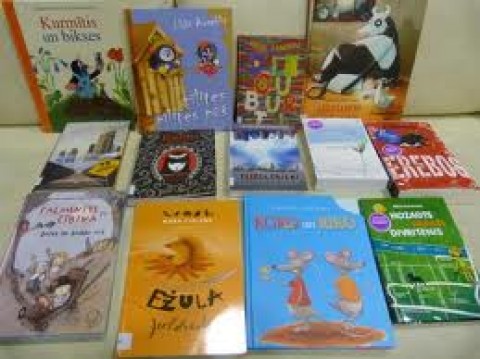
Bērniem ir izveidots īpašs interaktīvs portāls „Lasāmkoks”, kas ir pielāgots četrām dažādām vecuma grupām – pirmsskolas vecuma bērniem, jaunāko klašu bērniem, pusaudžiem un arī pieaugušajiem par bērnu literatūru. Vietnē būs atrodama informācija par bērnu literatūru, kā arī lasāmas un šķirstāmas digitalizētās bērnu grāmatas. Vietne veidota interaktīva, lai bērni varētu paust savas domas un viedokļus.
Vēsturisko karšu portālā kartes.lndb.lv pieejamas kartes no 18. gadsimta līdz pat mūsdienām. Kā vecākā karte te ir atrodama 1588. gada Livonijas karte. LNB ir veikusi vēsturisko karšu iesiešanu ģeogrāfiskajās koordinātēs, līdz ar to iespējams kartes klāt vienu virs otras un salīdzināt to, kā laika gaitā ir mainījušās pilsētu teritorijas vai arī mainījies, piemēram, upes tecējums, salīdzināt Livonijas teritoriju ar tagadējo Latvijas teritoriju.
Jaunizveidotajā tīmekļa vietņu arhīvā webarhivs.lndb.lv ir apkopots ap 3000 rasmotu tīmekļa vietņu par Latviju un latviešiem, kas ir arhivētas jau kopš 1998. gada, kā arī izveidotas piecas speciālās kolekcijas. Nereti gadās, ka, noslēdzoties vēlēšanām, pazūd kandidējušo partiju mājaslapas ar visām viņu programmām un solījumiem, taču to visu tagad būs iespēja retrospektīvi atrast “www arhīvā”.
Pēdējo gadu laikā strādāts arī pie LNB elektroniskā kopkataloga un nacionālās analītikas datubāzes “Analītika”, kas, papildināta ar vēl 600 000 jaunu ierakstu, ļauj elektroniski atrast informāciju arī par rakstiem periodikā no 1951.gada līdz 1980.gadam. Šī rakstu datubāze ir iecienīts pakalpojums, piemēram, žurnālistu vidū, jo piedāvā iespēju, atrast visus kāda autora rakstus un informāciju par izdevumiem, kuros tie publicēti. Nākotnē analītikas datubāzi plānots sasaistīt ar periodikas portālu, papildus piedāvājot lasīt atrasto rakstu pilnos tekstus.
Digitālās bibliotēkas e-pakalpojumi ir tapuši, īstenojot Eiropas Reģionālās attīstības fonda finansētos projektus „Digitālās bibliotēkas izveide – 2. kārta” un „Digitālās bibliotēkas pakalpojumu attīstība”. Visi digitalizētie materiāli 4,3 miljonu lappušu apmērā tiks nodoti arī Eiropas digitālajai bibliotēkai Europeana.
Jaunie e-pakalpojumi ir pieejami internetā, un, atbilstoši Latvijas autortiesību likuma regulējumam, no mājām ir iespējams lasīt to daļu, kas nav aizsargāta ar autortiesībām. Savukārt no jebkuras bibliotēkas Latvijā ir iespējams piekļūt visam digitālās bibliotēkas saturam. Šajā sakarā Latvijas Nacionālā bibliotēka aicina pieteikties autorus vai to mantiniekus, lai vienotos par atļauju digitalizēt trimdas izdevumus – gan periodiku, gan grāmatas, kā arī vienoties par autortiesībām un piekļuves veidu darbiem internetā.
Liels paldies laikraksta Laiks, Londonas Avīze, Brīvā Latvija, žurnāla Jaunā Gaita, Mazputniņš, un citiem tiesību īpašniekiem, organizācijām Amerikas Latviešu apvienība, Latviešu nacionālai padomei Lielbritānijā, Daugavas Vanagu centrālai valdei, autoriem Inesei Auziņai-Smitai, kā arī visiem pārējiem, ar kuriem esam jau vienojušies par atļauju digitalizēt un ievietot darbus periodikas un grāmatu portālos, ļaujot tiem publisku piekļuvi internetā no jebkuras vietas pasaulē. LNB mājas lapā tiks publicēts to grāmatu autoru darbu un periodikas izdevumu saraksts, par kuru digitalizāciju un piekļuvi nepieciešama jūsu atļauja.
Liels paldies visiem tiem, ar kuru atbalstu trimdas izdevumu digitalizācija ir kļuvusi par iespējamu! Pirmie digitalizācijas rezultāti jau ir pieejami un skatāmi periodikas un grāmatu portālos. Digitalizācijas darbiem ziedojumus esam saņēmuši no korporācijas Fraternitas Lataviensis, Amerikas Latviešu apvienības, Zigurda Miezīša fonda, Veltas Tomas fonda un LATS. Pateicoties šo organizāciju ziedojumiem, jau ir digitalizēts vairāk kā pusmiljons trimdas periodikas un grāmatu lapaspušu.
Latvijas Nacionālā bibliotēka izsaka sirsnīgu paldies ikvienam, kurš ir palīdzējis līdz šim, atsaucies un iesaistījies, kā arī visiem tiem, kuri ir atvērti jaunai sadarbībai arī turpmāk!
Kontaktinformācija saziņai: Karīna Bandere, LNB Digitālās bibliotēkas projektu vadītāja, tālr. 67439943 un e-pasts: karina.bandere@lnb.lv

Daži no 20. gadsimta sākuma periodikas sējumiem, kas digitalizēti. Foto: Baiba Pare.