Countryside living in Latvia is a bit romanticized. Clogged roads that are usually in pretty bad shape on the way there, feeding the mosquitos and ticks, the better than even chance you will have to deal with an outhouse, and the inevitable traffic jam on the way back to Rīga.
Still, one of the highlights of any countryside excursion is the chance to use the Latvian pirts (sauna). Simple in concept – water dropped on heated rocks makes for a steamy and sweaty experience. Though, granted, being in a small shed with the temperature at 50 degrees Celsius (or more), often times with people you might not know too well, and dressed only in a towel (or less) and periodically smacking each other with birch branches might not be everyone’s cup of tea.
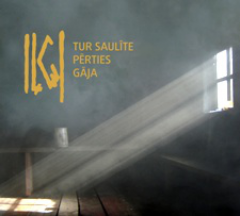
The pirts has for centuries been an integral part of country life, and now, renowned Latvian post-folk ensemble Iļģi has provided a soundtrack for this ritual. Tur saulīte pērties gāja is meant to be a collection of songs to listen to whilst enjoying the full pirts experience – from the preparation of the pirts to the cooling off period afterwards.
Iļģi, made up of Ilga Reizniece (vocals, violin, kokles), Māris Muktupāvels (kokles), Gatis Gaujenieks (trough fiddle, bass guitar, as well as pirts sound effects), Egons Kronbergs (guitars), and Mārtiņš Linde (drums), have now released many albums with a particular theme – but this is perhaps one of their most unique and unexpected themes. Previous albums have focused on weddings, dances, and the Jāņi midsummer celebration, but who would have thought one could put together an album of songs about the pirts? Though, granted, some of the songs have but tenuous connections to the process.
Iļģi has long been known for songs about Latvian traditions and spirituality, and the pirts ritual remains an essential part of countryside life – it is a cleansing of the body and the soul, and is meant to give participants a fresh start, free of impurities. Perhaps it is logical that Iļģi dedicate an album to this ritual.
The first thing to know about Tur saulīte pērties gāja is that it is VERY mellow. It actually reminds me slightly of their album Totāri, which also featured quieter songs focused around the winter solstice. Though sometimes the pēršana process (the smacking of each other with birch branches) can get slightly violent, otherwise it is usually a very relaxing process. Being in a pirts is, in a way, almost like meditation, so it should follow that the music for such a process should also be meditative and calming. Listeners should certainly not expect the uptempo and raucous songs that have appeared on previous Iļģi releases.
That being said, the album, in its calm way, is quite enjoyable. It even features pirts sound effects provided by Gatis Gaujenieks, making listening to this album a more authentic experience. The songs are also notably longer on this release – many songs last more than six minutes. Also, some of the songs might even be considered in a minimalist style – for example, the instrumental “Ceļš”, which provides variations on one theme for six minutes.
As always, the texts of Iļģi songs come from ancient Latvian folk songs. The ritualistic aspect of the pirts process becomes clear with the first song, “Pirts kurināšana”, with the almost chanting nature of Reizniece’s vocals, enhanced by Gaujenieks’ sound effects, which give the song a mystical, perhaps even spiritual atmosphere.
Guest vocalist Irīna Mihailovska performs a duet with Reizniece in the song “Ceļojums”, one of the most enjoyable songs on the record. Mihailovska, who also appeared with Iļģi at their 30th anniversary concert in 2011, performing the part of Lelde from the Iļģi interpretation of Spēlēju, dancoju, is a welcome addition to the group, providing an enjoyable counterpoint to the vocals of Reizniece.
The closing song, “Paldies”, can easily become a favorite. The concept is simple – over the course of the song, everyone involved in the pirts process is thanked, even those who built the physical building and chopped the wood to be burned.
The sound effects and the mellow melodies give Tur saulīte pērties gāja an almost ‘new age’ feel, something to play in the background during yoga class. Though certainly relaxing and enjoyable, the uptempo Iļgi of Sēju vēju and Kaza kāpa debesīs wil not be found here, so listeners – don’t expect the shouts and fast tempos of other Iļģi songs. However, Iļģi have never shied away from experimenting and performing non-traditional music, and Tur saulīte pērties gāja is yet another example of the group’s eclectic style. In their long career spanning 30 years, Iļģi have always made interesting and unique music, and these songs will most certainly make the pirts experience more enjoyable!
e
For more on this album to to the Iļģi homepage or follow Iļģi on Facebook.
Details
Tur saulīte pērties gāja
Iļģi
Rīga: Upe tuviem un tāliem, 2011
Track listing:
1. Pirts kurināšana
2. Ceļojums
3. Ceļš
4. Pēršana
5. Lidošana
6. Garā pupa
7. Paldies