Laimas Muzykanti celebrate 20 years with CD “Rodi”

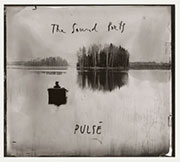
Laimas Muzykanti, the Daugavpils based post-folk group, have released their latest CD entitled Rodi (or ‘Relatives’ in the Latgalian dialect of Latvian). Founded in 1995 and led by singer, arranger, kokle player, accordionist and general multi-instrumentalist Artūrs Uškāns, the group has, over its twenty year history, performed mainly Latvian and Latgalian folk songs both in traditional ways as well as in more contemporary arrangements.

Artūrs Uškāns is joined by Inga Zeile on vocals and fiddle, Kristīne Kārkle on vocals and fiddle, Inta Uškāne on vocals, flutes and percussion, Armands Varslavāns on guitars, Matīss Uškāns on vocals and drums and Valdis Rundzāns on bass guitar.

The record begins with Laimas Muzykanti’s version of the Latgalian folk song “Vokors īt” (a song also performed by folk group Laiksne on their album Putra), a song about the approaching evening. From its soothing, slightly melancholic accordion introduction, later joined by guitars and flutes, Uškāns’ arrangement of this song turns it into a call and response style – where the women express their sadness about the men leaving, but the men respond that the women should not be sad – they will return to the homestead in the evening (then, later in the song, reversing the roles).

The group takes a more contemporary/world music approach to their arrangement of the folk song “Ķēvīt, mana svilpastīte” (which on the album is combined with the “Baraboļa” dance). The song is performed at a frenetic pace, perhaps appropriate considering that it starts out about a simple-minded horse that runs from Riga to Jelgava. Concluding the song with the “Baraboļa” dance brings the piece to an appropriately energetic conclusion.

Guitars with a hard rock sound begin “Upe nesa ozoliņu”, another vigorous outing from the group. This is a different melody than the most commonly sung version of this folk song (which is much calmer), but Laimas Muzykanti’s version of it is memorable for its spirited performance. As the group describe themselves in the notes – “the group’s style varies considerably, just as folk songs vary widely in their character and content” – leaving performers free to interpret songs as they wish.

Both “Upe nesa ozoliņu” and the group’s arrangement of the folk song “Gauži raud saulīte” feature the LLB (Latvia Lithuania Belarus) Ethnographic Orchestra. The orchestra adds many new and varied instruments to the mix – including bagpipes, bayan, dulcimer, among many others. As the song swells to a crescendo, the mix of the instruments and folk singing provides for an emotional high to this sad song that implores the sun to stop its crying, as God will provide more of what has been lost.

Though most of the album is folk song arrangements, Artūrs Uškāns also displays his own songwriting talent on the song “Sorgeņģeļs”, a wistful ballad. Beginning with just vocals and guitar, then building in intensity as the song progresses, the song is a fitting conclusion to the album, and fits in nicely and naturally with the rest of the folk song arrangements.

The CD packaging includes notes on the group and each song in both Latvian and English (though, unfortunately, does not include the lyrics to the songs). Additionally, in keeping with the theme of the album – “relatives” – there are also notes about what a gathering of relatives in Latgale is like (including not just catching up, but drinking beer and discussing politics until the women begin a song and, over the course of the night, many long forgotten songs are sung).

Deftly moving between various styles, but at all times engaging and enjoyable listening, on the album Rodi Laimas Muzykanti and leader Artūrs Uškāns reaffirm their place as one of the most notable and talented folk groups in Latvia. Weaving unique Latgalian elements through many of their songs, and using both traditional and non-traditional instruments, the album is a particularly satisfying listen. One hopes that after this enjoyable visit by the relatives that they return soon!

For further information, please visit the Laimas Muzykanti Facebook page.

Laimas Muzykanti - Rodi 001

Rodi

Laimas Muzykanti
Lauska LAUSKA CD056, 2015

Track listing

CD

  1. Vokors īt
  2. Miķeļa dziesma
  3. Ķēvīt’, mana svilpastīte/Baraboļa
  4. As gribieju mežā braukt
  5. Div’svecītes
  6. Jāņu dziesma
  7. Upe nesa ozoliņu (“Čukai ņukai”)
  8. Gauži raud saulīte
  9. Lielais Jānis
  10. Muote
  11. Krūga Madaleņa
  12. Sorgeņģeļs

Egils Kaljo is an American-born Latvian from the New York area . Kaljo began listening to Latvian music as soon as he was able to put a record on a record player, and still has old Bellacord 78 rpm records lying around somewhere.

Geka’s latest film “Dieva putniņi” is about the children of WWII exiles

Documentary filmmaker Dzintra Geka, director of films such as Sibīrijas bērni (The Children of Siberia – 2001), Gvido Zvaigzne (about the cameraman killed in the 1991 Barricades confrontations in Riga – 2011), Maršruts: Ķekava-Omskas apgabals 1949 (about the deportations of 1949) has made many films regarding Soviet terror and its destructive effect in Latvia, particularly on children. Geka has most recently turned to the theme of the children of exiles – those that fled Latvia during World War II and spent time in Displaced Persons camps. That film, entitled Dieva putniņi (God’s Lost Sparrows) with a running time of approximately 90 minutes, was released in 2015 by the National Film Centre of Latvia and is now available on DVD.

Most of the refugees from Latvia ended up in DP camps in Germany. The Latvians would call themselves dīpīši (a play on the letters D and P) or “Dieva putniņi” (Little Birds of God). The film traces the experiences of many of those who lived through these times – fleeing Latvia, life in the DP camps, then further onwards in their new adopted homes. The most fascinating aspect of the film are the stories about life in the DP camps – how sizable Latvian communities formed and how they kept cultural traditions (singing, dancing, theater) alive, and how culture even thrived, even in these difficult conditions. Also fascinating are the stories about how ordinary Germans were thrown out of their houses to give the refugees a place to stay – as a result, the Germans considered these DPs “Deutschen parasiten” (Germany’s parasites).

The film is mainly a collection of recollections by those who experienced the war in Latvia and fled as the Soviet Army advanced. There is no narration, and the stories are interspersed with documentary footage of the destruction of Latvia during the war.

The film includes dozens of testimonials from exiled Latvians from all over the world, including former Latvian president Vaira Vīķe-Freiberga and leader of the Čikāgas piecīši group Alberts Legzdiņš (the film follows him in Germany as he attempts to locate his old school).

One of the most compelling storytellers in the film is Andrejs Vētra, the son of Latvian opera singer Mariss Vētra. Gregarious and expressive, Vētra’s stories are engrossing and, at times, tragic. Mariss Vētra (real name Morics Blumbergs), was married to a woman of Jewish ancestry and her mother was forced to live in the Riga ghetto during the German occupation (where she was later shot). Andrejs Vētra also provides one of the most memorable moments in the film when he thanks the filmmakers for not correcting his Latvian and then, in no uncertain terms, expresses what he thinks about those who constantly correct his language (a feeling that is likely shared by many Latvians whose language has become weaker due to a lack of practice). One of the most touching moments in the film is a visit to Mariss Vētra’s grave, where Andrejs and the film crew begin to sing the Latvian folk song “Pūt, vējiņi”, which then cuts to a Song Festival performance of the same song by thousands of singers.

Though the film is mainly about the experiences of Latvian exiles in the DP camps, it does not end there. Geka also films some of the storytellers about their experiences in their new homes, and how that has affected them and the differences between them and Latvians that stayed in Latvia after World War II. It covers many of the difficulties of exiled life (including raising children in a Latvian style) and attempts to return to and reintegrate in Latvia after a long period of being away. For example, one of the commentators mentions the “insularity” of the American Latvian community and how he found it difficult to engage with them – “you are either engaged or not … I felt that I had become an American.” Jānis Kukainis, director of PBLA (World Federation of Free Latvians) comments “I am an American because I think like an American … Americans think we can do everything and do it faster, but Latvians often only think about why you can’t do something” and also comments on the loneliness of diaspora Latvians who return to Latvia and find it difficult to make friends.

Dzintra Geka has now focused on the lives of children in Siberia (Sibīrijas bērni), exile children (Dieva putniņi), and intends to continue this documentary project with a film about children growing up in Soviet Latvia.

Still, the lack of narration does mean that the film, at times, loses a bit of context. Besides one brief title page describing the situation at the end of the war, there is little further description of the historical situation (besides the individual experiences) – someone who has little knowledge of World War II and the displacement that follows may find the film a challenge to follow at times – as it is a collection of reminiscences there is only the vaguest of narratives. Also, the storytellers are never identified (only at the end of the film are they listed). Though this is clearly the filmmaker’s choice – the focus should be on the story and the events, not on the person – this is a disservice to the interview subjects. Also, the historical footage is not identified, so one is never quite sure where the film is from and what exactly it is showing.

Dzintra Geka is married to Latvian composer Pēteris Vasks, and his music provides the soundtrack for the film. Vasks often has themes of war and destruction in his compositions, particularly in his choir music. His choir work “Zīles ziņa” is often quoted in the film and the ominous choir singing provides an appropriate backdrop for some of the horror stories that are told. For whatever reason, the credits only list Vasks as the music composer – that is, the individual works and performers are not identified, unfortunately.

The DVD is PAL Region 0 and should play on almost all DVD players worldwide. Be advised that the English language version of the film – God’s Lost Sparrows – has been released separately (the Latvian version of the film does not have English subtitles, so if English subtitles are essential, you will need to pick up the English version). The English subtitles are provided by Latvian American journalist Kārlis Streips.

Dzintra Geka’s Dieva putniņi, besides being one of the most important Latvian documentaries, is also an absorbing, thought provoking, and often heartbreaking living history of World War II era Latvian refugees. At times touching, at times harrowing, the film simply lets its subjects speak for themselves and tell their own stories, providing for an engrossing and captivating experience. An oft overlooked aspect of the Latvian experience, Dieva putniņi brings to light one of the most important chapters of Latvian history in the words and experiences of those who lived through these dark times.

For further information, please visit the Children of Siberia Fund page.


Egils Kaljo is an American-born Latvian from the New York area . Kaljo began listening to Latvian music as soon as he was able to put a record on a record player, and still has old Bellacord 78 rpm records lying around somewhere.

3×3 Austrālijā – kur piedzīvot latvietības devu Adelaides kalnos

Intervija ar 3×3 2016 Adelaidē rīkotāju Mārīti Rumpi.

Lūdzu pastāsti par 3×3 Austrālijā. Kas 3×3 saieti vispār ir un kur un kuros datumos šogad saiets tiek rīkots?

Šis būs trīsdesmit trešais 3×3 Austrālijā, tātad tas ir noticis jau ilgu laiku un manuprāt tas nozīmē, ka cilvēkiem patīk un ir vajadzīga šī saulainā vasaras nedēļa, kura satikties ar latviski runājošiem draugiem un paziņām.

2016.g. saiets notiks no 2.-8.janvārim, Adelaides kalnos, Nunyara konferences centrā. Skaistā vietā, kas ir ļoti tuvu pilsētai, bet taja pašā laikā ir kalnā ar skaistu skatu. Šī 3×3 tēma būs ” Latvijas putni”. Dziedāsim, kā putni, dejosim, kā putni un izrādīsim savas krāšņās spalvas kā putni!

Kā jau mūsu pieteikuma veidlapā ir minēts 3×3 pamatā ir latviešu valoda, latviskā dzīvesziņa un zināšanas.

Esi 3×3 vadītaja šogad. Kā sanāca uzņemties šo pienākumu? Pastāsti, lūdzu, mazliet par sevi.

Pati esmu dzimusi un augusi Latvijā. Ierados Austrālijā 2005.g. novembrī. Šī gada sākumā domāju, ka mana meita Kristiāna (5.g.) ir izaugusi pietiekoši liela, lai mēs dotos uz 3×3. Jo kā jau visas mammas, kuras vēlas, lai viņu bērni runātu latviski, domāju, ka nedēļa priecīgā gaisotnē un latviskā vidē nāktu par labu latviešu valodai. Par cik pati nekad neesmu apmeklējusi 3×3 iepriekš, jo bija mazi bērni, tad ar interesi devos uz Ulda Ozoliņa rīkoto informācijas pēcpusdienu Tālavas mazaja zālē. Uldis bija ieradies kopā ar Ingu Jaksi (puse x puse) 3×3 bērnu programmas vadītāju un izstāstīja mums kā tās lietas notiek 3×3.

Tajā reizē arī tika diskutēts par labāko laiku, kad rīkot 3×3 un cik bieži rīkot. Tā gaisotne pēc šīs sanāksmes bija tāda nez vai vispār rīkos un man bija tāda sajūta – nu kā tad tā, es beidzot sataisījos un nebūs 3×3! Uldis mēģināja pierunāt vairākus cilvēkus rīkot saietu, bet kaut kā tas nevedās…

Tad nu domāju, kas neriskē, tas nevinnē. Ja gribu savai meitai 3×3, tad laikam jāpiekrīt un jādara kaut kas lietas labā. Tā nu es esmu šeit un tagad. Protams, tas viss nenotiktu, bez konsultācijām no ļoti zinošiem 3×3 vadītājiem un dalībniekiem Anda un Rudītes Bērziņiem, paša Ulda Ozoliņa, iepriekšējā 3×3 Sidnejā komandas atbalsta un Latvijas Kultūras Ministrijas atbalsta, kas ļoti izpalīdzēja finansiāli, lai mēs varētu saglabāt pēc iespējas zemākas cenas dalībniekiem.

Kādus lektorus šogad varam sagaidīt? Vai būs arī vieslektori no Latvijas?

3×3 var lepoties ar ļoti zinošiem un gudriem lektoriem gan no Latvijas gan Austrālijas. No Latvijas ieradīsies folkloriste un saemas deputāte Janīna Kursīte, kura zinās stāstīt gan par jaunumiem politikā gan vadīs savu ievirzi par folkloru.

Būs arī Ventiņ zāļu sieva Līga Reitere, kurai arī tiks atvēlēts laiks ievirzei. Tajā viņa stāstīs par labumiem (tējām, garšaugiem utt.), kurus varam atrast dabā, mācīs pīt zāļu kroņus (varbūt no eikaliptiem!)  un konsultēs interesentus tautastērpu valkāšanā un darināšanā. Kā arī var novadīt kādu glītrakstīšanas stundu.

Būs arī divas dziedātājas no “Latviešu Balsīm” Laura Jēkabsone un Zane Stafecka, kuras mēģinās atrast apslēptos talantus un nospodrināt jau esošo talantu dziedāšanas prasmes.

Protams nevar aizmirst mūsu pašu Austrālijas lektorus, kuri ir ne mazāk spoži un zinoši savā jomā. Tātad piedalīsies Ilze Švarcs, kura stāstīs par “Latviesu rotu vēsturi”, Arnis Gross ar referātu “Pastāvēs, kas digitalizēsies” rādīs jaunākos atklājumus datorpasaulē, kurus var lietot latviešu valodā. Daina Gross pastāstīs par PBLA latviešu valodas, kultūras un vēstures tālmācības projektu, Ilga Vēvere “Cilvēka ķermeņa valoda” būšot nopietni un nenopietni stāstījumi un piemēri par to kā mēs kustamies.

Kādas nodarbības paredzētas – rokdarbu, nopietnāka rakstura?

Rokdarbi mums ļoti nopietni šogad. Vizma Boag vadīs šūšanas ievirzi un vedīs uz 3×3 īstas šujmašīnas un dāmas varēs šūt somiņas un citus aksesuārus ar mūsu 3×3 tēmas “Latvijas putni” simboliem. Anda Banikos vadīs “lino-cut” ievirzi, kur būs jāstrādā ar linoleju, krāsām un speciāliem amatrīkiem un varēs taisīt skaistas apsveikumu kartītes. Būs arī adīšanas puduris Agneses Dombrovskas vadībā, kur varēs papļāpāt pēc garās dienas un tajā pašā laikā kaut ko uzmeistarot ar pirkstiņiem un adāmadatām. Būs arī “Tai čī” vingrošana Pētera Strazda vadībā, sports, muzicēšana, runāsim pareizi nodarbības.

Ko lai dara, ja kāds uz 3×3 nevar tikt uz visu laiku? Vai pastāv iespēja atbraukt uz dienu, divām?

Būsim priecīgi Jūs uzņemt arī uz pāris dienām. Vienīgi arī tad ir jāpiesakās laicīgi (vismaz 3 dienas iepriekš), lai Jūs nepaliktu bez pusdienām vai vakariņām. Var aizpildīt parasto pieteikšanās veidlapu un norādīt no kura līdz kuram datumam Jūs būsiet un cikos ieradīsieties un dosieties prom.

Vai bērniem arī būs nodarbības?

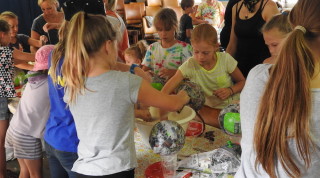
Jā, bērniem būs pašiem sava programma Ingas Jakses vadībā. Bērni dziedās, dejos, sportos un veidos dažādus pirkstiņdarbus. Lūgsim arī vecākus vai vecvecākus talkā, lai palīdz bērniem un mazbērniem, lai būtu interesantāk un jautrāk.

Kas paredzēts vakaros?

Vakara programā būs danču vakars Līgas Reiteres vadībā, šķēršļu gājiens Anda un Rudītes Bērziņu pārziņā, Lauras Jēkabsones un Zanes Stafeckas rīkoti “Dziesmu kari”, Viktorīna, ko piedāvās Karīna Jaunalksne, kā arī kādā no vakariem pie mums viesosies “Latviešu balsis” dzelteno tērpu kolekcijas māksliniece Edīte Treija un pastastīs par to kā tapa šie tērpi. Būs arī Siksnu pāra rīkots vakars, kurā ieskatīsimies un ieklausīsimies “Aspāzijas dzīvē un dzejā”. Tātad programma solās būt ļoti daudzpusīga.

Vai šogad 3×3 būs kādi jauninājumi, kas nav bijuši agrāk?

Kā jaunums šogad būs nodarbības angļu valodā tiem cittautiešiem, kuri ir ieprecējušies latviešos. Ievirzi vadīs Uldis Ozoliņš,  kā arī viņi varēs mācīties latviešu valodu Andas Banikos vadībā.

Vai vēl var pieteikties uz 3×3?

Jā, esam pagarinājuši pēdējo pieteikšanās dienu, līdz 15.decembrim – tātad droši varat pieteikties.
Pieteikšanās veidlapas var lejuplādēt no 3×3  mājas lapas, vai arī varu nosūtīt Jums pa pastu.
Nekautrējaties un zvaniet vai rakstiet Mārītei Rumpei: e-pasts m.rumpe@gmail.com vai mob tel: 0431056045

Daina Gross is editor of Latvians Online. An Australian-Latvian she is also a migration researcher at the University of Latvia, PhD from the University of Sussex, formerly a member of the board of the World Federation of Free Latvians, author and translator/ editor/ proofreader from Latvian into English of an eclectic mix of publications of different genres.