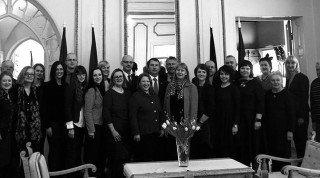
2016. gada 19. un 20. martā Tallinā, Latvijas vēstniecības Igaunijā telpās notika Eiropas Latviešu apvienības (ELA) ikgadējā biedru organizāciju sanāksme, kurā piedalījās organizāciju pārstāvji no Lielbritānijas, Īrijas, Vācijas, Luksemburgas, Beļģijas, Zviedrijas, Francijas, Austrijas un Igaunijas.
Sanāksmi atklāja Latvijas Republikas Ārlietu ministrijas vēstnieks Tallinā Juris Bone. Sarunās par Eiropas Latviešu biedrību sadarbību ar Latvijas valsts iestādēm piedalījās arī Pasaules Brīvo latviešu apvienības, Ārlietu ministrijas, Kultūras ministrijas, Simtgades biroja, Latvijas Nacionālā kultūras centra un Latviešu valodas aģentūras pārstāvji.
ELA biedru sniegtās ievirzes un prioritātes kalpos ka “ceļa karte” turpmākajai sadarbībai ar Saeimu un jauno valdību. Šonedēļ ELA un PBLA vadība tiksies ar premjerministru Māri Kucinski, Ārlietu ministru Edgaru Rinkēviču, Kultūras Ministri Daci Melbārdi, Finanšu ministri Danu Reiznieci-Ozolu un Izglītības un zinātnes ministru Kārli Šadurski.
Eiropas Latviešu apvienībai šogad pievienojās Latviešu biedrība Norvēģijā, līdz ar to ELA šobrīd apvieno 20 latviešu un latviešu sadraudzības nevalstiskās organizācijas no 16 Eiropas valstīm ārpus Latvijas. ELA mērķis ir pārstāvēt Eiropas latviešu diasporas intereses, saskaņot tās biedru organizāciju darbību informācijas, latviskās izglītības un kultūras un pilsoniskās līdzdalības jomās, kā arī veicināt sadarbību starp biedru organizācijām un ar radniecīgām organizācijām.
—
Eiropas Latviešu apvienības 2016.gada 19. un 20.marta biedru sapulces rezolūcijas
1. ELA biedru kopsapulce aicina Latvijas valdību turpināt remigrācijas atbalsta pasākumus. ELA aicina tos veidot kā konkrētus, praktiskus un reāli īstenojamus un finansētus pasākumus remigrējušo un viņu ģimenes locekļu (arī nelatviešu) latviešu valodas pilnveidošanai, iekļaušanai darba tirgū/uzņēmējdarbības vidē, izglītības sistēmā (t.sk. pirmsskolas līmenī) un mājokļa nodrošināšanai sadarbībā ar pašvaldībām, īpašu uzmanību pievēršot ģimenēm ar nepilngadīgiem bērniem. ELA pieprasa repatriācijas atbalsta pasākumus attiecināt arī uz tiem pilngadīgajiem un nepilngadīgajiem, kuri Latviju atstājuši pēc 1990. gada 4. maija.
2. ELA biedru kopsapulce aicina Izglītības un zinātnes ministriju sadarbībā ar ELA izstrādāt diasporas nedēļas nogales skoliņu darbības vīziju un uz tā pamata veidot skoliņu klasifikācijas sistēmu un nodrošināt atbalstu šīm prasībām atbilstošo skoliņu un skolotāju darbībai. ELA aicina IZM ziņot par šajā jomā paveikto nākamajā ELA biedru kopsapulcē 2017. gadā.
ELA biedru kopsapulce aicina Izglītības un zinātnes ministriju sadarbībā ar diasporas organizācijām izstrādāt ilgtspējīgu diasporas bērniem un jauniešiem piemērotu elektronisku mācību rīku, kā arī veicināt latviešu diasporas vidusskolēnu apmaiņas programmas Latvijā.
ELA biedru kopsapulce aicina iniciatīvu “Iespējamā misija” uz sadarbību jaunu profesionāļu piesaistei darbam diasporas nedēļas nogales skoliņās Eiropā.
3. ELA biedru kopsapulce izsaka atzinību un pateicību Latvijas Ārlietu ministrijai un vēstniecībām Eiropā par sadarbību un atbalstu Latvijas tēla un latvietības stiprināšanā mītnes zemēs Eiropā. Šīs sadarbības efektivitātes celšanai ELA aicina Ārlietu ministriju:
a. vēstniecībās norīkot atsevišķu darbinieku, kura pienākumos ir sadarbība ar diasporas organizācijām to interešu pārstāvības, kultūras un izglītības jomā, un par to informēt attiecīgās diasporas organizācijas;
b. izstrādāt vienotu, skaidru sistēmu par atbalsta sniegšanu diasporas organizāciju aktivitātēm, kas ir saistītas ar vēstniecību uzdevumiem;
c. ikgadējās Latvijas vēstnieku konferences ietvaros Eiropā rezidējošajiem vēstniekiem paredzēt tikšanos ar ELA pārstāvjiem.
4. ELA biedru kopsapulce atbalsta Cēsu pilsētas domes priekšsēdētāja Jāņa Rozenberga piedāvājumu Cēsu bijušās pamatskolas telpās apvienot Pasaules latviešu mākslas centru ar Austra Graša bibliotēku un muzeju “Latvieši pasaulē”, un šo iniciatīvu virzīt Kultūras ministrijā kā Latvijas Simtgades projektu sadarbībā ar iesaistītajām organizācijām.
5. ELA biedru kopsapulce pieprasa Latvijas valdībai vismaz pašreizējā apmērā piešķirt līdzekļus bāzes budžetā SIF un Izglītības un zinātnes ministrijas pārvaldīto diasporas atbalsta programmu turpināšanai pēc 2016. gada, paredzot šo līdzekļu apmēra pielāgošanu atbilstoši diasporas organizāciju/skolēnu skaita pieaugumam.
ELA lūdz šo programmu īstenošanas izvērtēšanā iesaistīt ELA pārstāvjus.
ELA apkopos savu biedru organizāciju novērtējumu par projektu finansējuma apguvi un izstrādās ieteikumus projektu konkursu nolikumu pilnveidošanai, tostarp ar mērķi projektu izvērtēšanā primāri ņemt vērā projektu satura kvalitātes kritērijus, prioritāri atbalstīt reģionālās sadarbības un partnerības projektus un īpašu uzmanību pievērst mazo kopienu/organizāciju vajadzībām.
6. ELA Latvijas simtgadē dāvinās savu ieguldījumu Eiropā dzīvojošo latviešu latviskās identitātes un piederības sajūtas kopšanā un nesīs Eiropā Latvijas kā stipras, lepnas un eiropeiskas valsts tēlu. ELA biedru organizācijas un to mākslinieciskās pašdarbības kopas piedāvā savu dalību Simtgades svinēšanas pasākumos Latvijā 2018. gada novembrī.
ELA biedru kopsapulce aicina Kultūras ministriju un Simtgades biroju Latvijas simtgades programmā un budžetā ietvert Eiropas latviešu organizāciju pasākumus simtgades svinēšanai un paredzēt iespēju diasporas kopienās izmantot Latvijas valsts radītos simtgades materiālus (filmas, pētījumus, izstādes, u.c.).
ELA biedru organizācijas sagatavos un ELA prezidijam līdz 2016. gada 1. jūnijam iesniegs savas ieceres par Latvijas simtgades atzīmēšanas sarīkojumiem, t.sk. iesniegšanai PBLA un KM vienota pārskata izveidei par diasporas aktivitātēm.
7. ELA biedru kopsapulce aicina Kultūras ministriju sadarbībā ar ELA izstrādāt vīziju par atbalstu diasporas mākslinieciskās pašdarbības kopu darbībai.
ELA biedru organizācijas līdz 2016. gada 1. jūlijam apkopos un ELA prezidijam iesniegs informāciju par viņu mītnes zemēs pieejamo valsts un pašvaldības atbalstu NVO/pašdarbības kopu darbības nodrošināšanai (finansējums, telpas, cits nodrošinājums).
8. ELA biedru kopsapulce aicina latviešu organizācijas Eiropā aktīvi mudināt savus biedrus apzināt, pētīt un popularizēt Latvijas pēdas pasaulē.
9. ELA biedru kopsapulce aicina latviešu organizācijas Eiropā aktīvi mudināt savus biedrus apzināt Latvijas izcelsmes profesionāļus un tos ieteikt vai aicināt viņus reģistrēties vienotajā kontaktbiržā – www.latviesi.com/kontaktbirza.
10. ELA biedru kopsapulce atbalsta ieceri 2017.gadā rīkot Eiropas Latviešu kongresu un apņemas aktīvi līdzdarboties tā sagatavošanā un norisē.
11. ELA biedru kopsapulce atbalsta sadarbības stiprināšanu ar Pasaules Brīvo latviešu apvienību.