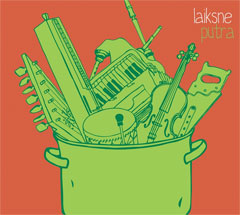
Laiksnes ‘putrā’ attēlota lauku sadzīve

Putra

Folkloras kopa Laiksne nesen laidusi klajā jaunu ierakstu ar intriģējošu nosaukumu – Putra. Dziesmas nav par putru vien. Tur tēmas ir dažādas, bet vienojošais ir ēšana, sadzīve, darbs un pēc tam izpriecas, kas ir lauku dzīves svarīgas sastāvdaļas.

Laiksne pati sava kompaktdiska piezīmēs skaidro, ka “‘Putrā’ likām to, kas šobrīd šķiet gardākais kumoss: saviesīgās dziesmas, galda dziesmas, kas dzimst bez iepriekšēja nodoma un uzdzirkstī. Visas albuma dziesmas ņemtas no teicēju ierakstiem vai nošu pierakstiem, tās apdarinot domājām par talkām, večerinkām un visu to ļoti dzīvo, pilsētniekam nedaudz mītisko lauku sadzīves pusi”.

Dziesmas klausoties, patiešām rodas sajūta, ka atrodies kādā dziļā Latvijas lauku nostūrī, kur sanākuši vietējie ļautiņi kopā un mūzikā izdzied savu lauku dzīvi. Tās ir vienkāršas un tajā pašā laikā pilnas ar dvēseliskumu savā vienkāršībā. Un pie tam meldijas tādas senas un kopumā iespaids ir tāds, ka esam atgriezuši laika ratu atpakaļ kādu gadsimtu un ielūkojamies nodzeltējušā fotoalbumā, kur fotogrāfijās attēlotās lauku sejas atdzīvojušās un nu spēj mums, nākamajām paaudzēm, pastāstīt kaut ko par sevi un savu dzīvi.

Laiksnes izvēlētie mūzikas instrumenti pavadījumam arī izklausās autentiski. No visiem vāka ierakstā minētajiem instrumentiem, vienīgais “modernais” ir basģitāra. Pārējie ir tieši tādi, ar ko pirms simts vai vairāk gadiem spēlmaņi būtu mūzicējuši – vijole, kokles, mandolīna, stabule, vargāns, ģīga. Skaņa tīra, nesamākslota, nekur nav izvēlēti sarežģīti aranžējumi. Uzsvars šeit ir uz vienkāršību un seno vērtību un dzīves veida atspoguļošanu.

Labs piemērs šai laikmeta liecinieces lomai ir dziesma no Bārtas puses, “Putra”. Modernajā pasaulē grūti iedomāties dziesmā personificēt putru bet lauku cilvēkiem putra bija spēka nesējs, viens no pamatēdieniem, kā mīļš ģimenes loceklis. Lauku dzīves aprakstos bieži lasām, kā saime sēž ap lielo koka galdu ar putras bļodu vidū un pārrunā dienas notikumus. Un cik mīļi ieklausīties šīs dziesmas vārdos – “Putra, kājas apāvusi, Pie bērniem(i) ciemā iet. Piesargies(i) tu, putriņa, Ka tev’ bērni neapēd”. Varam gara acīm iedomāties, kā putras bļodai pieaugušas sīkas kājiņas un kā tā skrien prom no bērniem, kas dzenās pakaļ ar karotēm rokā!

Citās dziesmās ieklausoties, varam dzirdēt prieku par alu, tā dzeršanu un par dažādām izdarībām, ko alus dzeršana izraisa. Alus arī tiek uzrunāts – “Alutiņ, bāleliņ, Kas zin’ tavu stiprumiņ? Tu varēji vīru gāzt, Mucai diben’ spridzināt.” Nekas jauns te nav pateikts, bet vienmēr vērts apbrīnot latvieša tiešumu un spēju īsi un kodolīgi aprakstīt gadījumus iz dzīves.

Diskā arī dzirdam pāris ļoti slāviskas dziesmas. Siemēram, “Šiškin, miškin” piedziedājums ir krievu valodā un pašai meldijai arī nav tīri latviskas skaņas. Izskaidrojums ir vienkāršs – dziesma radusies Medņevā, kas atrodas Viļakas novadā, pāris kilometrus no Krievijas robežas. Un tāpēc jau dziesmām no Latgales ir savdabīga skaņa, jo tā ir dabisks divu tautas mūzikas izjūtu mistrojums.

Lustīgu noskaņu atstāj “Tolka”, kas liek kājām pašām cilāties, ieklausoties dziesmas skaņās. Latviešiem talka vēl arvien – galvenokārt rudenī – asociējās ar jautrību pēc smaga dienas darba. Šinī dziesmā gan darbs saistīts ar pūra pielocīšanu – kur meita sasauc radus, lai kopīgi strādājot smalkos darbus, var ātrākā laikā sarūpēt jaunai meitai visu nepieciešamo, lai viņa var “iziet tautās”.

Disks labi parāda, cik latvietim vienmēr cieši saistīta bijusi dziedāšana ar ikdienu. Ikdienas gaitās, gan priecīgās, gan bēdīgās – smagā darbā un jautrā kopābūšanā vienmēr latvietis ir dziedājis. Meldijas vienkāršas, tīras, dziedātas no sirds un dziedātas parastām, nemākslotām balsīm. Laiksne mums tieši to ir nodemonstrējuši. Paldies Laiksnei par to!

Details

Putra

Laiksne

Lauska,  2010

Track listing:

Aleksandrs

Putra

Oi, Dīveņi

Alutiņ, bāleliņ

Lai iedzeram!

Šiškin miškin

Mēness spīd aiz pirts

Dzāruojs puika

Jauna meita

Man tīšām karā juoīt

Kupla līpa

Tolka

Vokars īt

Pār upīti

Kā mēs putru vārījām

Where to buy

Purchase Putra from BalticShop.

Note: Latvians Online receives a commission on purchases.

Daina Gross is editor of Latvians Online. An Australian-Latvian she is also a migration researcher at the University of Latvia, PhD from the University of Sussex, formerly a member of the board of the World Federation of Free Latvians, author and translator/ editor/ proofreader from Latvian into English of an eclectic mix of publications of different genres.

Absurdist film overloads on strangeness

Scene from Medības

Guna Zariņa as Renāte and Rolands Zagorskis as the policeman Krasts are among the actors in the Andis Mizišs film Medības. (Publicity photo)

Emir Kusturica is a world-renowned Serb filmmaker who makes great surreal and absurdist films. Time of the Gypsies and Arizona Dream come to mind. Medības tries to traverse the same terrain, but unfortunately Andis Mizišs, the director of the film, is no Kusturica.

The elements are there, but somehow they never really come together into a cohesive story in which we care about either the characters or the outcome of their actions.

The film opens with a scene of two men making and bottling juice in a rundown former train station. A train pulls up. It’s the owner of the bottling operation stopping by to check on the progress. The train also serves as a home for unwed mothers and the bottling operation owner seems to be their matron. The men hadn’t been paid in a while and ask as to their wages. The owner gives them the runaround and instead presses them to finish the latest shipment. The train pulls away, one of the bottlers goes back in and out of spite adds some poison to a few of the bottles. The entire shipment is then delivered to a small country bar.

Elsewhere a trio of orienteering competitors gets lost in the woods; a hunting party, also on rails, sets out for their annual hunting party; a famous architect and his highly strung lover are working out some issues; and a local policeman is trying to keep his young partner awake at a railroad crossing.

Keeping track? All of these characters and stories of course will be intertwined and then stuff will happen or, as a friend of my commented, “and then it gets weird.”

Medības is not all bad. There are some good performances (Guna Zariņa’s Renāte the best among them) and the stories have potential, but it’s just that it never really comes together. It’s just a lot of exposition about really strange situations and the sometimes strange people who get trapped in them.

The title itself seems to be an allusion to the personal and emotional hunts we all engage in our daily lives. But there’s just too much of the strange here that is never really explained. It’s a strangeness overload and we are far too busy making up our own back stories for the characters to have any time to actually relate to them. Just starting with the train, is it really that easy and simple to operate your own train, maintain your own track? Doesn’t it cost money to operate a train and why put a home for unwed mothers on it and who would ever send or willingly find themselves on this one?

(Editor’s note: This review originally appeared on the author’s blog, Not Really a Blog, and is republished with permission.)

Details

Medības

Andis Mizišs, director

Ego Media,  2009

Notes: In Latvian. Drama, color, 80 minutes. Screenplay: Elvita Ruka and Kaspars Odiņš; camera: Agris Birzulis; art director: Jurģis Krāsons; composer: Kārlis Auzāns; editors: Igors Verenieks and Dāvis Sīmanis; principal cast: Guna Zariņa, Rolands Zagorskis, Andris Keišs, Jana Sekste, Indra Burkovska, Santa Didžus, Beata Grickeviča, Kaspars Znotiņš, Artuss Kaimiņš and Juris Lisners.

Studio recording of Kalniņš symphony restores original fourth movement

Imants Kalniņš Symphony No. 4

Perhaps the most well known of Latvian symphonic works, and certainly one of the most popular, is “Symphony No. 4” by composer Imants Kalniņš. It is a composition that has been nicknamed by some as the “Rock” symphony, as it combines classical motifs with elements of rock to form a groundbreaking work.

The recording company Upe tuviem un tāliem last year released both compact disc and LP versions of the symphony performed by the Liepāja Symphony Orchestra conducted by Imants Resnis.

Originally composed in 1973, “Symphony No. 4” was an immediate hit. However, at the time Soviet authorities forbade the performance of the symphony’s fourth movement (which features a soprano solo, the text of which is made up of selections from the poetry of American poet Kelly Cherry, which in turn quotes from poetry by Robert Browning). The original movement was only allowed to be restored much later.

Though there have been multiple recordings of the symphony (particularly notable is the 1998 release by MICREC, which featured a live performance by the Liepāja orchestra), this new release is the first studio recording to include the original fourth movement.

The elements of classical and rock can be immediately heard in the first movement of the work, with its driving beat and its sense of tension rising as the movement progresses, reaching a thunderous climax. The performance features the percussion performance of distinguished rock drummer Vilnis Krieviņš (who has played with a number of groups, most notably Līvi). Though the climax arrives early in the movement, the tension and drive is relentless, with the percussion providing the rhythmic foundation.

The second movement, in a rather abrupt change from the first, is musically far more relaxed and tender. Here one can hear more “Latvian” elements, giving some of the melodies an almost folk song-like quality.

The fourth and final movement, the one that caused the Soviet authorities grief in the early 1970s, is also a departure from the previous movements. The solo (on this recording, performed by mezzosoprano Ieva Parša) is brought forward as the orchestra stays in the background for most of the movement. The angst-filled poetry of Cherry returns the tension of the first movement, and Parša deftly adapts to the emotional changes necessary, as the words rapidly move between love, anger and sorrow.

I am extremely reluctant to even mention this, but, unfortunately, there are a few spots where the English diction is not as good as it could be. Though Parša is certainly one of the leading Latvian mezzosopranos (listen to her solo CD, Skaņu labirints, which feature modern vocal works by Latvian composers), there are a handful of spots where it is difficult to determine what she is singing. With the words—and, correspondingly, feelings and emotions—being so important in the fourth movement, diction is critical.

To be very honest, I slightly prefer the original 1998 recording of the work. Perhaps, since it was a live recording, there was a higher sense of tension in the recording, which adds to the dramatic effect of the symphony, particularly in the first movement. Additionally on that release, the solo vocal in the fourth movement was performed by American soprano Patti Cohenour, who is better able to express the nuances of the text than someone whose native language is not English.

The CD packaging includes the poetic text by Cherry, along with Latvian translation. It would have been helpful to have a bit of background of the work itself, perhaps commentary from the composer himself, if not some musicologists, as to what made this work so significant and beloved at the same time.

Make no mistake, this recording is highly enjoyable, reminding the listener of why this symphony is one of the key works in Latvian classical music. Though the symphony is almost 40 years old, it still sounds as vital as ever, and its dramatic effect is still as gripping as when it was first performed.

Details

4. simfonija

Imants Kalniņš

Upe tuviem un tāliem,  2009

Upe TT CD046

Track listing:

Allegretto

Andante trnquillo

Grave molto

Moderato rubato

Where to buy

Purchase 4. simfonija from BalticShop.

Note: Latvians Online receives a commission on purchases.
Egils Kaljo is an American-born Latvian from the New York area . Kaljo began listening to Latvian music as soon as he was able to put a record on a record player, and still has old Bellacord 78 rpm records lying around somewhere.