Laikam mīlestības stāsts, taču grūti spriest

Asya's Laws

Grāmata Asya’s Laws, ko stāstījusi Asya Raines un pierakstījis Charles Fleetham, sākumā maldīgi liek domāt, ka runa būs tikai par mīlestību. Īstenībā šo grāmatu mierīgi varētu nosaukt par vēstures grāmatu, jo tajā ir skaidri un gaiši aprakstīts kā Latvijā dzīvoja komunisma atbalstītāji un piekritēji. Kā tie varēja gan tikt pie dzīvokļa bez rindas, gan aizbraukt uz ārzemēm un, protams, arī pa vasarām dzīvot “dāčā” (latviski – vasarnīcā) Rīgas Jūrmalā.

Šī grāmata ir ideāls piemērs tam, kā domāja un dzīvoja tautu draudzībai radinātie pasaules pilsoņi, un man ļoti atgādina padomju laikos izdotās vēstures grāmatas. Tāpat kā tālaika izdevumos, šeit ir slavinājums krievu partizāniem par viņu drošsirdību un fanātismu, un tieši tāpat neiztrūkst nepareizie vai sagrozītie Latvijas vēstures dati.

Piemēram, Daugava ir pārdēvēta par Daugaru, Kārlis Ulmanis nosaukts par pirmo Latvijas prezidentu, nevis ceturto, latviešu tradīcijām tiek pieskaitīta tāda parādība kā, ja darba biedrs ir saslimis, tad cits iet viņu apciemot uz mājām.

Raines grāmatā raksta, cik ļoti viņa juta līdzi tiem krievu puišiem, Krievijas specdienesta kareivjiem, kuriem 1991. gada janvārī vajadzēja šaut uz latviešiem, jo viņiem taču nebija citas izejas – vai nu šaut pašiem, vai tikt nošautiem.

Taču, kad runa ir par latviešiem, kas iesaukti vācu armijā, un tika iesaistīti ebreju nogalināšanā, Raines vairs nav tik saprotoša. Tāpat Raines ar sirdi un dvēseli tic, ka ebrejiem labāku dzīvi spēja dot tikai padomju sistēma (vēlāk gan viņa saprata, ka ir piemānīta) un nesaprata, ka latvieši tieši tāpat, ne tikai ticēja, bet arī zināja, ka tā būs viņu nāve. Un tā arī notika, visas tās nejēdzības par ko Raines sūdzas grāmatā, komunālie dzīvokļi, nelaipnas pārdevējas, rindas un tukšie plaukti veikalos, tas viss bija murgs, no kā Latvija gribēja izvairīties, un Raines ģimenes sapnis.

Vispār Raines daudz nav mēģinājusi saprast un iedziļināties latviešu likteņgaitās, tāpēc viņai ļoti nesaprotama likās neatkarību atguvušās Latvijas prasība pēc latviešu valodas likuma un eksāmeniem nepilsoņiem. Tai pašā laikā aizbraukdama uz Ameriku, Raines neizjuta nekādu pazemojumu mācoties tās valsts valodu.

Par grāmatas autores mīlestību man ir grūti spriest, jo mēs katrs izvēlamies cik lielā mērā mēs atļaujam citiem kāpt mums uz galvas un cik daudz mēs cienām paši sevi. Jau no pašas grāmatas sākuma līdz pat beigām es tā īsti nesapratu, kas tad Asya Raines ir. Te viņa lepojas, ka ir ebrejiete, te daudzina krievu kultūru un priecājas, ka ir tādā garā audzināta, un beigās vēl pavīd Amerikā piesavinātais – latviete, jo dzimusi taču viņa esot Latvijā. Tas liek padomāt un aizdomāties, vai tikai šī nepiederības sajūta nevienai kultūrai nav autores īstais pašcieņas trūkuma iemesls visās viņas attiecībās ar vīriešiem.

Raines pirmo reizi iemīlas vīrietī ar vārdu Ivars (redzot, ka autore mēģina angliskot vārdus, tad tas varētu būt Aivars), diemžēl tā arī neiegūstot pretmīlu, tikai nelielu komandējuma romāniņu. Raines ir pārliecināta, ka Ivars negrib turpināt Bulgārijā iesāktās attiecības tāpēc, ka viņa ir ebrejiete. Man gan tas liekas jocīgi, jo kā vēlāk izrādās Ivaram nav pretenziju pret precēšanos ar citas tautības sievietēm, viņa sieva ir pus tatāriete, pus krieviete.

Otra viņas iemīlēšanās notiek ar radu piepalīdzēšanu un tas ir vīrietis, kuru šajā grāmatā autore sauc par profesoru. Varbūt tas ir tāpēc, ka Raines ir kā apburta uz izglītotiem un inteliģentiem cilvēkiem, grāmatā bieži parādās viņas mazvērtības kompleksi, kaut nevajadzētu būt iemeslam, jo pati arī ir ieguvusi augstāko izglītību. Profesors un Raines drīz vien pēc iepazīšanās apprecas. Problēmas viņu attiecībās sākās jau tajā īsajā divu mēnešu pirmslaulību periodā. Kā pati Raines visu laiku grāmatā uzrunā lasītājus un lasītājas, tā arī es teikšu: „Mīļās lasītājas, ja Jūsu vīrs pirmo laulības nakti nevēlētos pavadīt kopā ar Jums, vai Jus nedomātu, ka tā ir katastrofa?” Raines tiek ar to galā, tikai lai nākotnē atdurtos uz jauniem šķēršļiem, profesora mīlas dēkām un tā rezultātā dzimušiem bērniem.

Nezinu, cik ilgi Raines vēl turpinātu tā dzīvot, ja neuzrastos Pavels, kurš nu jau kādu laiciņu dzīvo Amerikā un grib, lai Raines dodas tam līdzi. Bet arī tur, Amerikā, viņa neatrod savu mīlestību, drīz vien attiecības ar jauno vīru kļūst neciešamas un cieņas vietā uzvar naids. Kad ir iegūta zaļā karte, Asya aiziet no Pavela.

Details

Asya’s Laws

Asya Raines

Farmington Hills, Mich.:  Right Brain Books,  2006

ISBN 0976386828

Where to buy

Purchase Asya’s Laws from Amazon.com.

Note: Latvians Online receives a commission on purchases.
Ilze Ostrovska is a Latvia-born woman who has lived in Australia for 15 years. In Latvia she worked in the World Federation of Free Latvians office in Rīga and wrote about her experiences in a weekly column published by the newspaper Austrālijas Latvietis. In Australia, she works as an administrator and volunteer coordinator for the Latvian senior citizens' group Laima and also teaches in the Latvian school in Adelaide.

Opera’s first DVD aims for child audience

Putnu opera

Opera is a genre not usually equated with children’s entertainment. The usual perception is that opera is for adults with refined musical tastes. To entertain kids you need loud music, bright lights, colour, movement—and as children are not too discerning, you don’t need to worry about quality.

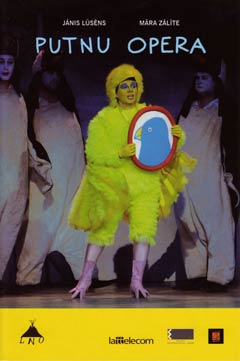
The recently released DVD Putnu opera proves this stereotype wrong. Just as you can get your kids to eat decent food and not live on sub-standard fare, you can also take your ankle-biters to the opera and come home with both parents and children content.

“Putnu opera” has been around for a few years. The premiere was six years ago on Dec. 22, 2000, and every year since the Latvian National Opera schedules a few performances. This is the first performance by the opera that has been digitized and made available on DVD.

The play is the successful collaborative effort of famous Latvian author and playwright Māra Zālīte and composer Jānis Lūsēns. Based on the children’s book characters created by Hugh Lofting—Dr. Dolittle and his loyal bevy of animals—the opera has a simple scenario. Dr. Dolittle and his friends are visited by a distressed opera diva, Pipinella the canary, who is searching for her canary friend Cheep, also an opera singer. During the search and rescue mission, which takes Dr. Dolittle and his entourage all over town and frees some captive birds, the animals decide to put on an opera and begin rehearsals.

The basic plot is enhanced by sub-plots; these are common elements in most operas. The difference here is that these side issues are not too confusing so children can easily follow the storyline without needing to get bogged down trying to understand the details. The beauty of DVDs are the subtitles that weren’t available in pre-DVD times. Even though the opera was in Latvian (not the traditional German or Italian, so theoretically it should be easy to follow), by reading the Latvian subtitles as well made it is much easier to understand the storyline.

The characters (and especially their costumes—kudos to costume designer Kristīne Jurjāne) are so exaggerated but at the same time stylized and easily recognizable that the children in the audience will remain mesmerized for most, if not all, of the performance. We even had a 3-year-old in our family audience of five and he sat through most of the 75-minute DVD without fidgeting, which says something about this opera!

A bonus features section gives a lighthearted behind-the-scenes look at the Latvian National Opera and the way a production is put together. The joint efforts of the various departments (artistic, musical, lighting, costume, stage management) are all mentioned, showing the viewers the complexity involved in staging an opera.

Getting kids to watch an opera is no mean feat.  But it is possible as all the elements of good entertainment are there—colour, movement, high-class opera—all in Latvian!

Details

Putnu opera

Mārā Zālīte and Jānis Lūsēns

Rīga:  Latvijas Nacionālā opera,  2006

Daina Gross is editor of Latvians Online. An Australian-Latvian she is also a migration researcher at the University of Latvia, PhD from the University of Sussex, formerly a member of the board of the World Federation of Free Latvians, author and translator/ editor/ proofreader from Latvian into English of an eclectic mix of publications of different genres.

Church encyclopedia reflects 13 years of work

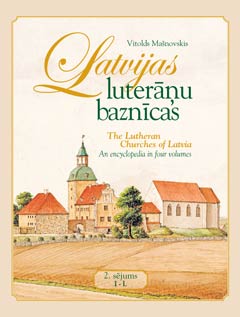
Latvijas luterāņu baznīcas

A year ago, after the publication of the first volume of The Lutheran Churches of Latvia (Latvijas luterāņu baznīcas), the literary critic Pēteris Bankovskis wrote, “Only a pure enthusiast has enough energy for such grand works in such an adverse environment.”

Many people have felt the urge to photograph, document and compile Latvia’s cultural and historical heritage, but it is no secret that many of these efforts still lie in the drawers of their authors’ desks because it is nearly impossible to find a publisher. Vitolds Mašnovskis, though, has been lucky—the second volume of his encyclopedia has just been published, and only a year after the publication of the first volume.

Mašnovskis found a willing partner in Inta Bērente-Strenga, the director of the creative design agency DUE, who had the faith to even invest her personal finances in order to publish the encyclopedia. At the recent opening celebration for the second volume she stressed the great efforts of Mašnovskis and explained: “We became involved in this project four years ago, because we viewed this as a one-of-a-kind opportunity to take part in the creation of this voluminous reference material. It is a unique piece of work. I am convinced that another such grand research project about this topic will not be repeated any time soon.”

Mašnovskis spent more than 13 years gathering and compiling information for The Lutheran Churches of Latvia. He drove countless times from one end of Latvia to the other and spent hours and hours of his free time photographing each church and finding and reading historical documents in archives and museums. The encyclopedia is aimed at a wide audience, and it is the first publication that reflects upon the history, architecture and artwork of all 337 former and current Lutheran churches in the country. The first two volumes cover churches beginning with the letters A through L—from Abrene to Lutriņi.

Like the first volume, the second volume also contains beautiful color pictures of every church, highlighting masterpieces such as the elaborate Rococo style furnishings in the Liepāja Sv. Trīsvienības church. The author has painstakingly described the history of each church in great detail, much of which is usually connected to the German barons and their estates. The books therefore also include illustrations of German coats of arms. The encyclopedia contains many interesting, forgotten and little-known facts. For example, the graphic artist Sigismunds Vidbergs (who emigrated to the United States and was later known for the erotic themes in his artwork) drew the sketches for the stained glass windows in the Lielstraupe church.

The encyclopedia describes the harsh treatment of churches during the Soviet occupation of Latvia following World War II. For example, in 1949 local kolkhoz directors, led by visions of collectivization and atheistic propaganda, transformed the Allaži church into a cafeteria for a neurological hospital; later it was used as a warehouse. After the war, the Ādaži church was often vandalized, until in 1972 it finally became a warehouse for empty bottles and containers. The Garkalne church endured a similar fate, although surprisingly the painting “The Last Supper” by Johann Maddaus was spared. Unfortunately, no one knows the fate of the painting “Christ Blesses the Fields” by well-known artist Augusts Annuss, which was dedicated in the Allaži church in 1942.

The Lutheran Churches of Latvia is truly a comprehensive publication, and the English language summaries also allow non-Latvian readers to gain insight into the histories and architecture of Latvia’s many churches. The encyclopedia has become one of the most often requested books in Latvian libraries, and students use it as a source for school projects. Some readers have even begun to use pages copied from the encyclopedia as a tour guide when traveling around the country and familiarizing themselves with their cultural heritage.

Volume 2 of the encyclopedia contains 486 pages, 798 photographs and more than 140 schematic drawings and maps. All four volumes of the encyclopedia will contain a total of 4,000 photographs. At the opening celebration, Minister for Children and Family Affairs Ainārs Baštiks stressed that the encyclopedia’s thoroughness in the field of cultural history will help popularize Latvia’s image in the world. The art historian Ingrīda Burāne expressed her hope that the encyclopedia will become an heirloom for families to pass down from generation to generation.

Details

Latvijas luterāņu baznīcas, 2.sejums

Vitolds Mašnovskis

Rīga:  DUE,  2006

ISBN 9984990699

Where to buy

Purchase Latvijas luterāņu baznīcas, 2.sejums from BalticShop.

Note: Latvians Online receives a commission on purchases.