OSCE official opens mouth, inserts foot

Memo to Gerard Stoudmann: The next time someone asks you about language policy in Latvia, keep your mouth shut. Stoudmann is director of the Office for Democratic Institutions and Human Rights for the Organization for Security and Co-operation in Europe.

During a two-day visit to Rīga that concluded March 20, Stoudmann met with government officials and discussed a number of issues. He also pressed Latvia to remove a provision in the country’s election law that requires political candidates to prove their proficiency in the Latvian language, according to an OSCE press release. The need for reform, he suggested, is urgent as Latvia heads toward its next parliamentary election on Oct. 5 and looks beyond that date to potential membership in the NATO defense alliance and in the European Union.

But then, in a remark about language policy made during a conference on OSCE and Latvian cooperation, Stoudmann stepped over the line, according to media reports. He said Russian should be made Latvia’s second official language. A third of the nation’s inhabitants speak Russian as their first language.

The OSCE, for those not familiar with this powerful international body, traces its roots back to the early Cold War era. It attempts to resolve disagreements between European nations before they rupture into armed conflicts.

Human rights and democratic reforms have been among the OSCE’s key concerns. But so has the principle of self-determination.

Stoudmann, as Latvians would say, izgāza podu (upset the pot). His remark, widely reported in local media, soon brought a groundswell of rebuke. Even Latvian Prime Minister Andris Bērziņš called for his resignation.

Apparently realizing that he was guilty of a major faux pas, Stoudmann on March 21 recanted, saying his comments were meant as "personal reflection," not a statement of OSCE policy. "I wish to stress that my intention never was to suggest that Russian be made the second state language in Latvia, or that this issue was on the agenda," Stoudmann said in a press release. "I am fully aware of the sensitivities surrounding the issue in Latvia."

Unfortunately, the damage had already been done.

The Russian Foreign Ministry, for example, piggy-backed on Stoudmann’s remark and once again complained that Latvia isn’t mindful of the rights of its Russian-speaking minority.

The OSCE is correct to point out problems in Latvia’s election law. Asking that political candidates prove their language ability is discriminatory and unconstitutional, as a language commission appointed by President Vaira Vīķe-Freiberga said earlier this year. To be a candidate for political office in Latvia, you must be a citizen. Citizens should not be asked such questions. Let the voters decide whether a candidate is fit for office.

But to suggest, even as "personal reflection," that Russian be made a second official language is unfair to a nation that is still trying to clean up the mess left by a half-century of occupation. It’s particularly unfair because the loudest voice in the language debate is across the border and some 800 kilometers away in Moscow. Who’s watching out for the interest of the Latvians?

If the OSCE really wants to help, it could do more to promote Latvian language education as part of the process of becoming a citizen. Of Latvia’s 2.3 million inhabitants, 22.3 percent are still classed as noncitizens, according to government figures. Russians make up nearly 350,000 of the noncitizens.

In the meantime, Stoudmann’s remark is a reminder for ethnic Latvians that they are the only ones who will look after their interests. Already a number of readers of the SVEIKS mailing list are planning an electronic notification "tree" that would serve to mobilize letter-writing campaigns and other activities for the next time someone like Stoudmann says something damaging to Latvia’s cause. According to Jānis Trallis, better known online as "Rodrigo," there are plans to set up a Web site to coordinate the effort. SVEIKS readers are trying to come up with a name, with "e-Taure" slightly favored over "e-Koks."

The unintended result of Stoudmann’s "personal reflection" may well be the strengthening of Latvians’ resolve on the language issue. If he survives in his OSCE post, he’s sure to find his job in Latvia will have become much tougher.
Andris Straumanis is a special correspondent for and a co-founder of Latvians Online. From 2000–2012 he was editor of the website.

Mūsu pienākums ir atgādināt, ka tas bija noziegums

Augsti godātie represētie, mīļā latviešu tauta,

Mēs esam pulcējušies šeit sēru zīmē par visiem tiem, kas nevainīgi tika tiesāti un sodīti, bet bez tiesas un apsūdzības, pašiem to nezinot. Tas bija noziegums pret cilvēci, tas bija genocīds pret latviešu tautu, tā bija zvērīga necilvēcība, kuru mēs šodien atceramies un pieminam. Mēs noliecam galvas to priekšā, kas pārdzīvoja šo šausmīgo datumu mūsu tautas vēsturē, mēs izsakām līdzjūtību visiem tiem, kas to ir pārdzīvojuši un kas zaudēja savus radiniekus, savus mīļos, savus draugus un kaimiņus.

Šis datums bija viens no pēdējiem lielo deportāciju vilnī, bet arī varbūt pats šausmīgākais izsūtīto skaita ziņā. Bija pieprasīti desmit tūkstoši ģimeņu kā upuri, lai tiktu iebiedēta Latvijas tauta. Un tika izsūtīti trīspadsmit ar pusi tūkstoši ģimeņu, vairāk nekā četrdesmit viens tūkstotis nevainīgu civiliedzīvotāju, lai iebiedētu Latvijas tautu, lai nostiprinātu komunisma režīmu, lai sadzītu ļaudis kolhozos, lai aplaupītu tos, kas kopš klaušu laikiem paaudzi pēc paaudzes sūri, grūti strādājuši un izcīnījuši savu zemi, izcīnījuši to no purvājiem un no mežiem, iekopuši laukus un tīrumus, godīgi strādājuši, audzinājuši savus bērnus, un tagad bez brīdinājuma izrauti no savas dzīves un aizsūtīti mokpilnā tālumā.

Mums ir jāatceras šis notikums, jo to prasa mūsu taisnības izjūta. Mums ir jāatceras šis notikums, lai atgādinātu, ka tas bija noziegums, kam nav attaisnojuma. Ne visi, kas toreiz bija vainīgi, ir stājušies vai kādreiz stāsies cilvēciskās tiesas priekšā, bet es esmu pārliecināta, ka Dieva priekšā savu sodu viņi saņems. Mūsu pienākums ir atgādināt, ka tas bija noziegums, ka tas nav pieņemami. Tie nebija nekādi varoņi, kas uzlika savu parakstu šo nevainīgo ļaužu izsūtīšanai, šādus ļaudis dēvēt par varoņiem ir rupjš izaicinājums pret visām cilvēcības vērtībām, un šādus ļaudis apveltīt ar sarkanām neļśēm ir ciniska un klaja ņirgāšanās par latviešu tautas ciešanām, par cilvēka ciešanām vispār. Tas nav pieņemami, un mēs vienmēr atgādināsim, ka tā nedrīkst notikt, un tas nav un nebūs nevienam pieņemami, nekad un nekur mēs to nedrīkstam pieņemt. Noziegums ir noziegums un kā tādam tam ir jābūt pazīstamam gan mums pašiem un nākamām paaudzēm, gan visas pasaules acīs.

Šogad ir tā sanācis, ka 25.marta izvešanu atcere iekrīt arī Klusajā nedēļā, tieši pirms Lieldienām. Un varbūt mēs varētu izmantot šo datumu sakritību, lai šajā dienā padomātu arī par šśīstīšanos, par izlīgšanu ar savu pagātni, jo ne jau sveša vara vien bija atbildīga par šiem izsūtītajiem. Uz izsūtīto parakstiem bija arī paši latvieši svešu vārdu vidū. Un mēs ļoti labi zinām, ka bija kangari, iztapoņas un oportūnisti, kas ar prieku palīdzēja veikt šo akciju, lai pēc tam karinātu medaļas sev pie krūtīm par šo sasniegumu un nopelnu. Es aicinu Jūs padomāt par to, kā viņi uzvedās tad, kad pārnāca atpakaļ šie izsūtītie no izsūtījuma. Varbūt kaimiņi bija paņēmuši viņu mājas, dzīvokļus un īpašumus. Lai atceras katrs, kas pārgāja pāri pār ielu, kad redzēja pretī nākam savu agrāko skolas biedru, draugu, darba biedru, kaimiņu un izlikās viņu nepazīstam un nepalīdzēja viņam iekārtoties darbā, novērsās no viņa, un tā turpināja to sodu, ko viņš Sibīrijā jau bija paguvis izciest un tomēr pārdzīvot.

Es domāju, ka mūsu tautai daudz kas guļ arī uz pašas sirdsapziņas. Un šajā sēru dienā mēs varam no šīs vainas atpirkties, gan godam cienījot tos, kas ir cietuši, gan arī paši domādami par to, ko mēs varam darīt, lai izpirktu savas tautas vainu nākotnes priekšā. Man šśiet, ka vislabākais gandarījums netaisni cietušajiem būtu gādāt par to, lai tā valsts, kuru mums tomēr izdevās atgūt, būtu stipra un droša, lai tā būtu civilizēta valsts, kurā kaut kas tāds vairs nedrīkst notikt, lai tā būtu valsts, kurā valda tiesu vara un taisnība, lai tā būtu valsts, kurā cilvēka dzīvībai ir augstākā vērtība un kurā mēs visi kopā esam gatavi strādāt un pūlēties, lai veidotu tādu valsti, par kuru tie, kas gāja bojā, varētu justies, ka ir gandarīti un atriebti.

Novēlu visiem šajā dienā, lai jūsu pārdomas jums dod jaunu spēku, ceļot nākotnes Latviju.

CD-ROM reminds us of Podnieks’ greatness

Juris Podnieks was one of Latvia’s best-known and most successful filmmakers. His accidental death in 1992 was a tremendous loss to Latvian film. Podnieks’ unique combination of talent, determination, skill, courage and incredible ability to motivate others to exceed their limits allowed him to create films that transcended their subject matter. His films are comparable to similar works by such notable documentary filmmakers as Errol Morris and Ken Burns.

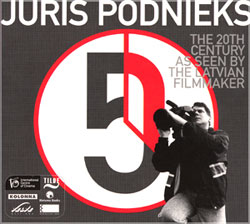
In celebration of what would have been his 50th birthday the Latvian film forum Arsenāls put together a CD-ROM in his honor titled Juris Podnieks: The 20th Century As Seen by the Latvian Filmmaker. It is a must-have for all those with an interest in Latvian film and Latvian and Soviet history.

Podnieks and his crew were on the front lines as Latvia and many others nations emerged from the yoke of Soviet occupation. His films captured the tenor of the times and the courage and determination of a people who would not be denied. Is It Easy to be Young? played to packed movie houses all across the Soviet Union and won numerous international awards. It captured the alienation of youth and the banalities of the Soviet Union at a time when to even raise the specter of such issues still carried a great deal of risk. Homeland captured the unraveling of the Soviet Union in vivid detail while chronicling the "singing revolution" in the resurgent Baltic republics. Homeland. Postscript chronicled the nightmarish crackdown by Soviet authorities. Two of his closest friends and collaborators, cameramen Gvīdo Zvaigzne and Andris Slapiņš, were killed in Rīga during filming by OMON troops.

The CD-ROM is full of details about Podnieks the filmmaker and the person, as well as general Latvian history. However, the true standouts are the bits and pieces from Podnieks’ various films. It is impossible to watch them without being affected, both by their strength of vision, and powerful message, and by feeling a profound sense of loss at the death of the man who made them. His death at the age of 42, an age when filmmakers enter their best and most productive years, is still being felt across the Latvian film industry.

You can’t help but be affected by footage of a young man, in Is It Easy to be Young? breaking down in a court room, while a passive monotone voice reads the judgment of the court that sentences him to three years in prison for getting carried away during a rock concert. In We, a series of documentaries on the Soviet Union made by Podnieks for England’s Channel 4, the audience gets a glimpse of the incredible courage that it took to stand up to the Soviets.

In what was either an intentional or unintentional homage to the Odessa steps sequence in Sergei Eisenstein’s The Battleship Potemkin and is eerily similar to a similar event that took place in Tianamen Square years later, a woman runs into the frame and tries to stop armed soldiers from getting down an outdoor staircase to break up a protest in Armenia. In Homeland. PostScript you watch with horror the footage of both Zvaigzne and Slapiņš getting shot as Slapiņš, despite being mortally wounded, exclaims, "Keep filming!"

The only flaws of the CD-ROM are that the text, most likely written by a non-native English speaker, seems stilted and ackward at spots, and that there isn’t more footage of Podnieks’ works. It’s ironic in a way. Podnieks was known for almost never using narration in his films. He allowed the subjects to speak for themselves. It’s a shame that we couldn’t have more of his films on this CD-ROM, and in the future, to do his speaking for him.

Details

Juris Podnieks: The 20th Century As Seen by the Latvian Filmmaker

Augusts Sukuts et al.

Rīga:  International Centre for Cinema Arsenāls,  2000

Notes: Minimum requirements are a Windows 95 Pentium-based computer computer at 166 MHz, 32 MB of RAM, 2X CD-ROM, 256-color monitor with 800×600 resolution, sound card, QuickTime 3.0.