Ir aģentūra Latvijā – Latviešu valodas apguves valsts aģentūra (LVAVA) – kurai, pēc vārda spriežot, vajadzētu būt katra ārzemju latviešu skoliņas skolotāja sapnis. Vesela aģentūra, kas izstrādā un pārdod mācību materiālus tieši latviešu valodas apguvei. Bet diemžēl LVAVA nav brīnuma atrisinājums visiem ārzemju latviešu skolu mācību materiālu jautājumiem. Vismaz ne vēl.
Iesākumā LVAVA izveidoja, lai palīdzētu integrēt krievu minoritāti Latvijā, nevis diasporas izglītības dēļ. Tādēļ ir iespējams, ka daži viņu materiāli ir pa daudz specifiski ārzemju skolu vajadzībām, jo tie ir gatavoti, lai sagatavotu skolēnus Latvijas valsts eksāmeniem vai lai iemācītu zināmu darbu terminoloģiju latviešu valodā. Dažam skolotājam varētu arī traucēt latviešu-krievu vārdnīciņas un glosāriji vecāko klašu grāmatās.
Galvenā grūtība tomēr ir plašums (un, protams, nepietiekošs finansiāls atbalsts, bet tas ir pats par sevi saprotams). Šodienas latviešu diasporu var sadalīt trīs vispārējās grupās – “veclatvieši”, “jaunlatvieši” un Krievijas latvieši. Katrai šai grupai ir atšķirīga vēsture, apstākļi, domāšana un mērķi. Nemaz nerunājot par to, ka šo kopu piederīgie nebūt nav vienveidīgi, un arī katrai skoliņai ir savas īpašās grūtības un vajadzības.
Tomēr ārzemju latviešu skoliņām ir vērts interesēties par LVAVA.
Paldies Latvijas valdības jaunuzplaukušai interesei par ārzemēs dzīvojošiem latviešiem, LVAVA tagad spēj sākt vērsties uz diasporu. Kā stāsta Brigita Šiliņa, LVAVA direktores vietniece pedagoģiskos un izdevējdarbības jautājumos, aģentūrai tagad būs atvēlēts LVL 80,000 gadā no valsts – tieši darbam ar diasporu. Salīdzinot ar līdzšinējām summām, tas ir daudz, bet īstenībā tas ir ļoti maz, ņemot vērā, ka no šīs summas arī jāmaksā tādas lietas kā algas skolotājiem, ko Latvija sūta uz Krievijas latviešu skolām. Katru gadu LVAVA sūta skolotāju(s) no Latvijas uz latviešu ciemiem Sibīrijā. Darbs un apstākļi ir grūti, tādēļ nav viegli atrast kandidātus. Šiem cilvēkiem jābūt ne tikai izglītotiem pedagogiem, bet harizmātiskiem indivīdiem, kas, līdzīgi veco laiku tautskolotājiem, ir spējīgi arī vadīt dažādus interešu pulciņus, vadīt kori, pat apbedīt mirušos un nokristīt bērnus, ja vajadzīgs. Gandarījums tomēr liels.
Tiesa, pirmo uzsvaru LVAVA liek uz Krieviju, jo tur grūto dzīves apstākļu dēļ maz kas notiktu lietas labā bez valsts palīdzības. Laimīgā kārtā liekas, ka Latvijas valdības interese par ārvalstīs dzīvojošiem latviešiem tuvākā laikā neapsīks, un tādēļ var cerēt, ka LVAVA atvēlētās naudas summas turpināsies, un varbūt pat pieaugs. Tātad, process ir tikai sācies.
Ko LVAVA cer paveikt?
Tā kā katrai latviešu skoliņai ārzemēs ir atšķirīga situācija (skolas mērķis, bērnu skaits, valodas līmenis, tradīcijas, u.t.t.), būs neiespējami izveidot vienu mācību komplektu, kas der visiem. Toties, ir reāli domāt par mācību vielu papildināšanu un modernizāciju, kā arī par dažāda veida skolotāju atbalstu, apmācībām, tālākizglītību un pieredzes apmaiņu.
Piemēram, šovasar notiks pirmais plašākais seminārs ārzemju latviešu skolu darbiniekiem. Tas notiks no 6.-8.augustam, un jebkurš ārzemju latviešu skolas skolotājs vai pārzinis (arī tie, kas tikai domā par strādāšanu ārzemju skoliņā) ir aicināts tajā piedalīties. Seminārā būs trīs galvenie virzieni:
- pieredzes apmaiņa un informācija par LVAVA darbu ar diasporu,
- darbnīca (“workshop”) par mācību stundu plānošanu: kā mācīt, ko mācīt, pieejamie materiāli, u.t.t.,
- Latvijas Republikas izglītības standarti un atestācijas jautājumi (pašlaik attiecas tikai uz Krievijas un Briseles latviešu skolām).
Seminārs droši vien būs bezmaksas, lai gan dalībniekiem būs pašiem jāgādā par naktsmājām un ēdināšanu. Lai saņemtu sīkāku informāciju par semināru un lai pieteiktos, lūdzu rakstīt Dainai Laganovskai (daina.laganovska@lvava.lv).
Ārzemju latviešu skolas skolotājiem ir vērts apskatīt jau esošos LVAVA mācību materiālus. Katrs skolotājs vienmēr “tura acis vaļā” uz jebkādiem materiāliem, ko varētu izmantot klasē, un LVAVA materiāli var būt lieliski papildus materiāli, kurus var pielāgot ārzemju skoliņu vajadzībām. Adelaides latviešu skola Austrālijā, piemēram, tos pat izmanto kā galveno mācību materiālu un metodiku.
Te ir īss pārskats par LVAVA esošiem materiāliem:
- Pamatmateriāls ir LAT2 sērija Avots (1. klasei), Strauts (2. klasei) un Upe (3. klasei): latviešu valoda mazākumtautību skolā (2006). Tajā ir iekļauti veseli mācību komplekti (mācību grāmata, darba burtnīca, audio kasete), ieskaitot skolotāju grāmatas. Sērija turpinās līdz 9.klasei; vecāko klašu materiāls jau ir diezgan “nopietns”, ar latviešu literatūras darbiem un to analīzēm. LVAVA cer arī izveidot materiālus šajā sērijā pirmskolas vecuma bērniem.
- Roku rokā: Komunikatīvi valodas vingrinājumi (2000). Deviņi zināšanu līmeņi, video palīgmateriāls.
- Gadalaiki (2001-2002). Četras grāmatiņas un kasetes, ko sastādīja Iveta Tāle un Mudīte Freimane. Īsi teksti no literatūras, dzejas, folkloras un dainām par gadalaikiem un gadskārtu svētkiem, lietojami kā papildmateriāli literatūras vai folkloras stundām.
- LAT2 Mācību metodisko līdzekļu izdevumu sērija. Dažas no šīm grāmatiņām var noderēt ārzemju latviešu skolām, piemēram, Svētki un godi (#1), Latvijas vēsture Palīgā! (#14 – domāta tiem, kas vēlas naturalizēties, bet īsie teksti piemēroti arī skolām), Spēles un rotaļas (#E – ir notis dziedamām rotaļām un mazi valodas uzdevumi, arī pārdodama kasete) un Ideju grāmata sākumskolai (# I – izmanto pamata vārdu krājumu; uzdevumi ir par Latvijas vēsturi, ģeogrāfiju, tradīcijām un citiem tematiem; arī pārdodama kasete). Citi sērijas izdevumi nemaz neatbilst ārzemju skolām, bet ir tomēr interesanti tajos ieskatīties, piemēram, Valoda sportā (#2), Medicīnas darbiniekiem (#3), Preses valodas apguve (#6), Valoda ugunsdzēsējiem (#12), Iekšlietu darbiniekiem (#13) un Subtitrēšanas māksla (#D).
- Ko Tu teici? – virtuālas spēles un valodas vingrinājumi LVAVA mājas lapā www.lvava.lv, lai palīdzētu apgūt vienkāršas un noderīgas sarunas latviešu valodā.
- Palīgā! Mācībgrāmata pieaugušajiem (1997?). Šajā sērijā ir 4 līmeņi. Komplektā ir mācību grāmata, darba burtnīca un kasete. Ir iespējams šo sēriju izmantot pašmācībai, bet skolniekam iesaka regulāri konsultēties ar latviešu valodas pratēju vai skolotāju. Grāmatās ir drusku absurdais humors, kas dažiem varētu likties lieks, citiem tieši patikt. Nesen izanalizēja Palīgā! materiālus attiecībā uz Eiropas valodu portfeli (valodu prasmju skalas), un tā rezultātā pašreiz izstrādā jaunu interaktīvu programmu latviešu apguvei pieaugušajiem, kurai vajadzētu būt gatavai līdz 2007.gada beigām.
Pagaidām LVAVA piedāvā tikai kasetes un video, bet plāno drīz tos pārlikt kompaktdisku un DVD formātos. Cenas visiem materiāliem ir nelielas: apmēram LVL 1-3 gabalā.
Liela cerība jāliek uz LVAVA sadarbību ar Eiropas Savienības Leonardo da Vinci programmu un ALTSOLEM projektu, kura pagaidām ir vēl tikai domāšanas stadijā. Iecere ir izveidot e-learning platformu, ko varēs izmantot skolotāji visā pasaulē. Tā nebūs domāta kā vieta, kur mācīties valodu, bet drīzāk ideju un resursu banka un “darbarīku glabātuve” latviešu valodas skolotājiem.
Kā iegādāties materiālus
Kur un kā pasūtīt materiālus no LVAVA? Materiālu sarakstu var apskatīt LVAVA mājas lapā www.lvava.lv un pasūtīt, rakstot uz lvava@lvava.lv. Bet tāpēc, ka pieprasījums pēc materiāliem pa pastu ir tik mazs un neregulārs, aģentūrai reizēm ir problēmas ar izsūtīšanu. Vislabāk, protams, ir ja skolotājs var aiziet tieši uz LVAVA biroju un paša acīm apskatīt materiālus pirms tos pērk. Birojs atrodas Rīgā, Merķeļa ielā 11, pretī Rīgas cirkam, 4. stāvā – pie durvīm piespiest pogu un teikt, ka grib pirkt grāmatas.
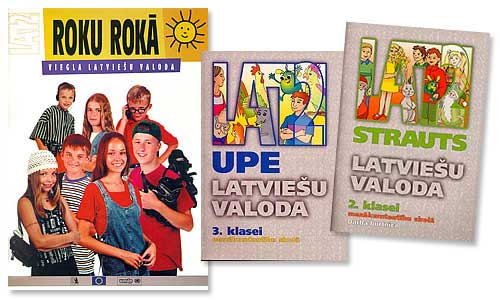
Latviešu valodas apguves valsts aģentūra sagatavo vairākās grāmatas un citus materiālus.


