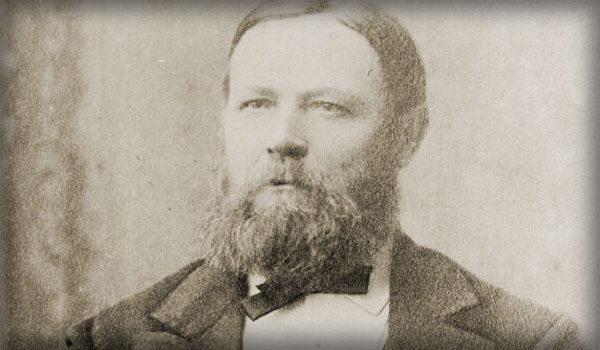
Ideologs, izdevējs un rakstnieks Krišjānis Valdemārs mudināja latviešus pelnīt un investēt savā intelektuālajā attīstībā.
Katrai ģimenei, katram no vecākiem un bērniem, tāpat kā katram ārvalstīs esošas latviešu skolas skolotājam un atbalstītājam varētu būt sava niansēta atbilde uz jautājumu, kāpēc ir nepieciešams, lai šādas neformālas, uz brīvprātības un entuziasma balstītas latviešu skolas ārpus Latvijas pastāvētu.
Fakts, ka Eiropā vien saskaitāmas vismaz 23 latviešu skolas, it kā nerada šaubas, ka šādas skolas ir nepieciešamas, jo gandrīz katrā Eiropas valstī ir vismaz viena, ja ne vairākas senāk vai ne tik sen izveidotas latviešu skolas. Tomēr ne visi latviešu bērni apmeklē šīs skolas, ne visas ģimenes tās uzskata par piemērotām, par tādām, kas nodrošina ģimenes izvirzītos mērķus latviskuma nodrošināšanā, valodas apguvē vai saiknes nodrošināšanā ar Latviju un tās kultūras vērtībām.
Ir radies iespaids, ka vecākā trimdinieku paaudze uz jautājumu, vai bērnam jāapmeklē latviešu skola, bez minstināšanās atbildētu apstiprinoši, jo latviskuma un patriotisma jūtu audzināšana pēc 2. Pasaules kara izceļojušajai latviešu paaudzei un tās pēcnācējiem vienmēr ir bijusi pašapliecināšanās, savu sakņu apzināšanās, saikne ar Latviju laikā, kad pašas Latvijas apciemojums vai sazināšanās ar to nebija ne vienkārša, ne pašsaprotama. Latviešu skolas piecdesmit gadu bija latviskuma saliņas svešā vidē. Toties tagad, kad Latvijas apmeklējumam vairs nav politisko šķēršļu, bieži vien finansiālu apsvērumu dēļ turp aizbraukt nav iespējams tik daudz reižu un uz tik ilgu laiku, cik gribētos un vajadzētu Latvijas iepazīšanai, valodas apguvei, senās un modernās latviešu kultūras izpratnei un apzināšanai.
Par skolu pastāvēšanu un apmeklēšanu daudz nedrošāk izsakās tie latvieši, kas no Latvijas izbraukuši samērā nesen. Atvērto robežu, ekonomiskās situācijas un vispārējās globalizācijas iespaidā, iespējams, ka daudzi vispār sev uzdot jautājumu – vai vērts būt latvietim un uzturēt saistību ar valsti, valodu un kultūru? Tātad – vai vērts vest bērnu uz latviešu skoliņu, kuras nodarbības visbiežāk notiek nedēļas nogalēs, un noslogot bērnu vēl vairāk, papildus jau tā diezgan lielajai mācību un ārpusskolas nodarbību slodzei?
Katrai ģimenei, katram vecākam un bērnam ir savs, atšķirīgs skatījums uz latviešu skolas nepieciešamību. Iespējams, daudziem, kas no Latvijas izbraukuši nesen, nav nepieciešams mēģināt “mākslīgi” uzturēt savu latviskumu, jo, būdami auguši Latvijā, šie vecāki un bērni joprojām saglabā ciešu saikni ar ģimeni dzimtenē un to bieži apciemo. Šajās ģimenēs mājās runā tikai latviski, pa vakariem mazākiem bērniem lasa latviešu pasakas un dzejoļus, iepazīstina ar labāko latviski tulkoto literatūru, lielākiem bērniem vecāki iesaka, ko lasīt, kopā pārrunā izlasīto, pilda kādus latviešu valodas uzdevumus, izkopjot pareizu gramatikas lietojumu, uzraksta pa domrakstam, veicinot bērna spēju izteikt latviski savas domas rakstveidā, ievērojot interpunkciju un pareizrakstību. Tāpat šī ģimene droši vien seko sabiedriskajiem un politiskajiem notikumiem Latvijā un pie vakariņu galda apspriež Latvijas aktualitātes. Šādā gadījumā vajadzība pēc skolas patiesi atkrīt, jo tieši šie ir tie uzdevumi, kurus skola varētu vecākiem palīdzēt veikt, – iepazīstinot ar latviešu folkloru, tradīcijām, nostiprinot valodas un literatūras zināšanas, interesējoties par Latvijā notiekošām un ar Latviju saistītām kultūras un sabiedriskajām aktivitātēm.
Liekot roku uz sirds, kurš varētu apgalvot, ka vismaz pusi no šiem latviskuma saglabāšanas elementiem ikdienā ģimenē arī ievēro? Vecāku aizņemtība, jaukto ģimeņu sarežģītā valodas situācija un apkārtējā nelatviskā vide bieži itin nemanot uzspiež savu zīmogu, vēršot izvēli par labu vieglākajam ceļam, – kaut ko nedarīt, nevis darīt, proti, šajā situācijā, izvēlēties neuzturēt latviskumu, jo tā ir vienkāršāk.
Tieši šādā situācijā latviešu skolas ārvalstīs var būt lielisks palīgs iedzimtā kūtruma vai pašdisciplīnas trūkuma pārvarēšanai. Ja latviešu skolā ir uzdots ģimenes mājas darbs, tad vecāki ir nevilšus “spiesti” pasēdēt brīdi ar bērnu, palīdzēt jaunākam bērnam izpildīt uzdevumu vai pārliecināties, ka vecākā atvase ir tikusi galā ar mājasdarbiem. Skola tātad stimulē veikt vecākus tieši to, kas viņu bērnu interesēs tāpat būtu veicams. Ne katrs var saņemties un veltīt šādām nodarbēm nedēļas nogali individuāli, bet, ja sestdien vai svētdien jādodas uz latviešu skolu, tad vēlamais darbs tiek veikts, jo ir vieglāk sevi motivēt no rīta piecelties, lai dotos kopā ar citiem latviešu kopienas pārstāvjiem svinēt svētkus latviskā garā vai, palīdzot bērnam mājasdarbos, piespiest sevi atkārtot piemirsto latviešu valodas pareizrakstību vai interpunkciju.
Tām ģimenēm, kuras vēl nav tikušas skaidrībā – vajag vai ne apmeklēt latviešu skolu, ieteiktu tuvāko skolu tomēr apciemot, lai noskaidrotu, ko konkrētā iestāde vai sabiedriskā organizācija piedāvā, kā bērni tur jūtas un ko viņi tur iegūst.
Ideālajā variantā bērni uz skolu grib nākt, jo viņiem tur patīk. Ievērojot latviešu tradīcijas, skolu iespējams padarīt interesantu, jo vismaz reizi mēnesī ir kādi latviešiem svinami svētki, kuriem gatavoties, var paplašināt savas folkloras un tradīciju zināšanas, var uzlabot vārdu krājumu, ejot rotaļās vai spēlējot vienkāršas, visiem latviešu bērniem pazīstamas spēles.
Ja bērnam uz skolu iet patīk, stiprinās arī vecāku motivācija uzturēt latviskumu, esot ārpus Latvijas. Bieži vien tiek runāts, ka jāmotivē bērni, lai tie gribētu nākt un piedalīties, bet, manuprāt, bērnus motivēt ir daudz vieglāk nekā vecākus. Līdz kādu divpadsmit gadu vecumam visiem bērniem patīk dziesmas, spēles, rotaļas, dzejoļi, pasakas, tradīcijas un svētki. Latviešu kultūra un tradīcijas nodrošina iespēju to visu piedāvāt. Skolotājiem vai vecākiem atliek tikai izvēlēties no plašā pieejamo materiālu klāsta, cikliski pielāgojot skolas tēmu norises dažādiem svinamajiem svētkiem un norisēm dabā.
Latvieši labprāt piekopj tautas kultūrā iesakņojušās tradīcijas. Diez vai parastā Eiropas valsts skolā varētu redzēt klasi pa pagalmu velkam bluķi ar pagājušā gada blēņām un nelaimēm vai skolēnus, kuri nes uz skolu olas, lai tās krāsotu ar sīpolu mizām un pēc tam ar tām kautos. Protams, ka šie ir tikai spilgtākie latvisko tradīciju piemēri, kuri tiek samērā bieži praktizēti, taču tautas tradīciju krājumā ir ārkārtīgi daudz interesantu ticējumu, paradumu un tradīciju, un bērnus aizraut ar šādām aktivitātēm ir viegli. Caur tām viņi nemanot iepazīstas un saaug ar latvisko kultūru, jo idejas realizēšana darbībā un izdzīvošana ar savu pieredzi ir viens no noturīgākajiem veidiem, kā paturēt prātā informāciju un iegūt jaunas zināšanas. Turklāt šādi bērni tiek motivēti iemīlēt tradīcijas, kultūru un folkloru, līdz ar to radot viņos noturīgu interesi par latviskumu, ļaujot viņiem sevi apzināties kā daļu no latviešu nācijas un izaugot ar ciešu saikni ar savu vai savu vecāku vai vecvecāku izcelsmes zemi. Vecākos bērnus var ieinteresēt par latviešu tautas sabiedriskajām un kultūras vērtībām, izmantojot kādas īpašas viņu intereses. Piemēram, mūzika vai sports, kas ir pusaudžiem raksturīgākās interešu sfēras, rada iespēju iepazīt Latvijas šodienas kultūru un notikumus īpašā saistībā ar savu piederību tautai un valstij. Pusaudžu motivācija noteikti ir daudz sarežģītāka par jaunāka vecuma bērnu ieinteresēšanu, tomēr, ja ielikts stingrs pamats sava latviskuma apzināšanai agrākos gados, tad iespēja, ka interese un vēlme identificēties saglabāsies, ir daudz lielāka, nekā atstājot novārtā latviskuma ieaudzināšanu bērnībā un pirmsskolas un sākumskolas vecumā.
Latviešu skolas ārvalstīs funkcionē arī kā latviešu kultūras centri, kas ļoti svarīgi arī pieaugušo interešu nodrošināšanai un latviešu kopienas saliedēšanai. Bieži vien, vedot bērnus uz skolu, sadraudzējas arī vecāki, rodas jaunas idejas latvisku kultūras aktivitāšu norisēm.
19. gadsimtā ap skolām Latvijā organizējās pagasta kultūras dzīve. Iespējams, ka 21. gadsimta ārvalstu latviešu skolām atkal ir jāatgriežas pie šo pašu funkciju veikšanas, iespēju robežās mēģinot uzturēt latviešu kopienu vēlmi sajusties piederīgām Latvijai, baudot iespēju klausīties Latvijas mūziķu izpildījumu, skatoties teātra izrādes latviešu valodā un iepazīstoties ar latviešu mākslinieku darbiem. No svara ir ne tikai iespēja uzaicināt māksliniekus no Latvijas, bet būtu jāveicina arī ārvalstu latviešu kopienu savstarpējā sadarboties spēja, organizējot uz vietas amatieru mūzikas grupas, teātrus, folkloras kopas un mākslas pulciņus, ar kuru radītajām vērtībām iepazīstinātu ne tikai mītnes zemes, bet arī kaimiņos esošo valstu latviešu kopienas. Piemēram, nesen Ženēvas latviešu skolu ar viesizrādi apciemoja Briseles latviešu teātris. Šis notikums bija pozitīva un noderīga pieredze gan teātra dalībniekiem, gan Ženēvas latviešu kopienas skatītājiem. Pēc šīs pieredzes spriežot, būtu ieteicams veicināt dažādu valstu latviešu kopienu savstarpējos sakarus, jo ne visiem latviešu bērniem (un arī pieaugušajiem) iespējams baudīt mākslinieku sniegumu Latvijā un bieži šāda blakus esošu mītnes valstu kopienu sadarbība ir arī finansiāli izdevīgāka.
Daudzās valstīs izveidojušies labi kontakti starp Latvijas diplomātiskajām pārstāvniecībām un vietējām latviešu kopienām un skolām. Gribētos tikai novēlēt aizvien auglīgāku savstarpējo sadarbību, jo jāatzīst, ka gribot vai negribot Latvijas pārstāvniecību ārvalstīs un starptautiskajās organizācijās funkcijām ir pievienojusies jauna darbības sfēra: latviešu aizvien skaitliski pieaugošo kopienu saliedēšana un ciešākas saiknes ar Latviju nodrošināšana, it sevišķi, atbalstot jaunās paaudzes latvietības saglabāšanas centienus.
Tikai secīga, konsekventa un nepārtraukta šo gan pašas kopienas, gan Latvijas pārstāvniecību iepriekš nosaukto vēlamo funkciju pildīšana var palīdzēt uzturēt latviešu nāciju dzīvotspējīgu, kaut izkaisītu pa visu pasauli. Pašlaik vairāk nekā jebkad agrāk latviešiem no svara ir ikkatrs cilvēks, kas sevi identificē ar Latviju un latvietību. Latviešu skolai ārvalstīs ar diasporas un Latvijas diplomātisko pārstāvniecību palīdzību jānodrošina emocionālā saikne ar Latviju, lai vēlāk izglītoti un latviski noskaņoti cilvēki ar savu intelektuālo vai finansiālo potenciālu vēlētos un spētu atgriezties Latvijas valstī fiziski un emocionāli. Pat, ja viņi neatgriezīsies Latvijā, viņos jārada vēlme būt Latvijas neformālajiem pārstāvjiem un atbalstītājiem savās mītnes zemēs.
Jau Krišjānis Valdemārs mudināja latviešus pelnīt un investēt savā intelektuālajā attīstībā, tādējādi veicinot latviešu inteliģences izveidi, kuras darbības rezultātā latvieši spēja pašnoteikties, dibinot savu valsti. Pelnīt ārzemēs un investēt sevī un jaunajā paaudzē tagad var arī tautieši, kas nedzīvo Latvijā. Latviešu skolas ārvalstīs ir viens no veidiem savas garīgās pasaules daudzšķautņainības veidošanai. Jābūt reālistiem: daudzos gadījumos Latvija un latviskums nākamajās paaudzēs paliks tikai sevis kā personības apzināšanās sākuma punkts, iespējams, fiziski neatrodoties Latvijas valstī, taču arī šie emocionālie un ekonomiskie sakari var sniegt palīdzību sekmīgā Latvijas ārlietu un ekonomiskajā sadarbībā.
Protams, ka patriotisms sakņojas ideālismā. Daudzi varētu uzdot jautājumu, vai tam mūsdienu pragmatiskajā un savstarpēji tik ļoti integrētajā pasaulē vairs maz ir vietas? Tomēr uzskatu, ka, neizkopjot patriotisma jūtas, cilvēks kļūst par etniskās piederības dimensiju emocionāli nabagāks vai apmulsis apkārtējās identitātēs. Ārpus Latvijas augošiem bērniem, iespējams, ir grūtāk identificēties ar kādu sabiedrības daļu, augot fiziski lielākā attālumā no paplašinātās ģimenes (vecvecākiem un citiem radiniekiem), tāpēc, lai nodrošinātu šo bērnu pilnvērtīgu personības attīstību, viņos vēlams ieaudzināt stabilu izpratni par savu etnisko izcelsmi, sniedzot pilnvērtīgāku atbalstošu pamatu turpmākai emocionālai un garīgai personības attīstībai.
Un vēl – mēs, latvieši, latviskuma saglabāšanu esam parādā iepriekšējām paaudzēm, kas idejiski un fiziski cīnījās par neatkarīgas Latvijas valsts izveidi un saglabāšanu. Saglabājot valsti un latviskumu, mēs turpinām īstenot gan jaunlatviešu, gan strēlnieku, gan Latvijas valsts dibinātāju un atjaunotāju sapni. Mūsu vēsturē cīņai par latviskumu ir sākums, bet varētu vēlēties, lai šai cīņai nebūtu beigu, lai latviešu skolām ārpus valsts pietiktu spējas un vēlēšanās turpināt latviskuma saglabāšanu, audzinot jauno paaudzi valstij, kurai tagad katrs bērns ir svarīgs, lai, reiz pieaudzis, atgrieztos Latvijā, ja ne fiziski, tad emocionāli vai ekonomiski, stiprinot valsti, par kuru maksāta ļoti augsta cena.


