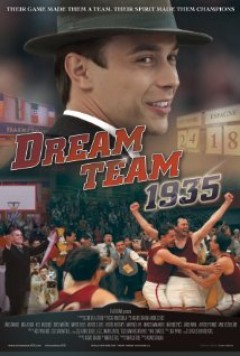
Dream Team 1935 to be screened at Gaŗezers in July

The film Sapņu komanda 1935 (Dream Team 1935) will be shown at the Latvian Center Gaŗezers on July 20th.  Directed by Aigars Grauba the film chronicles Latvia’s national basketball team, that improbably won the first European championship in May, 1935.  This first-time event was sponsored by the just formed International Basketball Federation, more commonly known as FIBA, from the French Fédération Internationale de Basket-ball and was held in Geneva, Switzerland.

Dream Team 1935 is heading toward being the most watched Latvian language film ever.  It has become a phenomenon and has been universally celebrated.  It will be screened for the European Parliament and at the Cannes Film Festival.  The film centers on the team, the championship and Head Coach Valdemārs Baumanis.

Baumanis will be returning to Gaŗezers twenty-one years after his death in 1992.  We need to wait to find out more about the team and the championship, however we already know quite a bit about the head coach.  His friends and colleagues in organized Latvian sports compiled a collection of essays about him after his death: Karavīrs un sportists Valdemārs Baumanis 1905 – 1992 (Soldier and Athlete …). I gained the most insight from Ilmārs Dumpis’ contribution. 

Baumanis arrived in Chicago in 1956 after having spent the immediate post-war years in France.  He was almost immediately selected to lead the Midwest region of the Latvian Sports Council and continued in that position for the next thirty-five years.  He simply had a burning passion for Latvian athletics and not just basketball. 

Scrolling through old editions of the Latvian Newspaper Laiks, it is obvious that he looked at Gaŗezers as fertile ground.  In 1969 he toured the Latvian Center with Jānis Lindmanis from Australia.  Lindmanis, also known as “Kapteinis Džeks” (Captain Jack) was a star of Latvia’s 1935 basketball championship team.  There was talk that the administration of Gaŗezers was committed to developing a sports infrastructure, including a basketball court and Baumanis had plans. He is associated with all the early tournaments in volleyball, basketball, tennis, soccer and track and field.

Dream Team 1935 is a very Latvian story, which means it’s complicated and has an overabundance of drama. For Baumanis this meant that getting to Geneva was a larger hurdle than winning in Geneva.  He had to navigate all sorts of obstacles, mostly due to friction between the Army Sports Club and the University of Latvia.  Unbelievably, he was removed as head coach after Geneva.  I guess the sports establishment wanted to go in a different direction, which they succeeded in doing.  Baumanis made it to the 1936 Olympics, but as a referee.  The team from Latvia was eliminated early with a record of 1-2.  He returned to lead the national team in 1938, but by that time Lindmanis had given up basketball and devoted himself exclusively to soccer.

Baumanis personal story is a very Latvian story, which means Soviet occupation and World War II brutally changed everything.  He was back on top in 1938 and a year later attended basketball seminars at Long Island University in New York.  He wanted to better understand the American style of play.  He was an active duty army officer when the Soviets invaded.  Fortunately, he was able to avoid arrest.  Baumanis served in the German-formed Latvian Legion.  He led a supply unit and rose to the rank of Major. At the end of the war he successfully insured that his men avoided capture by the Red Army and gladly surrendered to U.S. forces. 

Baumanis joined the Daugavas vanagi veteran’s organization in 1947.  At the first opportunity he organized basketball and soccer tournaments in displaced person camps in Germany.  He formed a Latvian team that toured post-war France.  The French were impressed and this led to his accepting an offer to coach basketball in Lorient. 

Ilmārs Dumpis notes that the shadow of occupied Latvia weighed heavily on Baumanis.  Word circled back to Baumanis that he was given a death sentence, in absentia by the Soviets in 1946.  He chose to avoid any contact with relatives or friends and never responded to their letters, as he was concerned that this could only cause them complications. 

The film will be shown in Latvian, with English subtitles. 
 

image

Artis Inka is editor of the Chicago-area Latvian website, cikaga.com. Latvia's Defense Ministry in 2005 awarded him its Commemorative NATO Membership Medal.

Pošamies uz 3×3 saietu Melburnas kalnos, Tulengi!

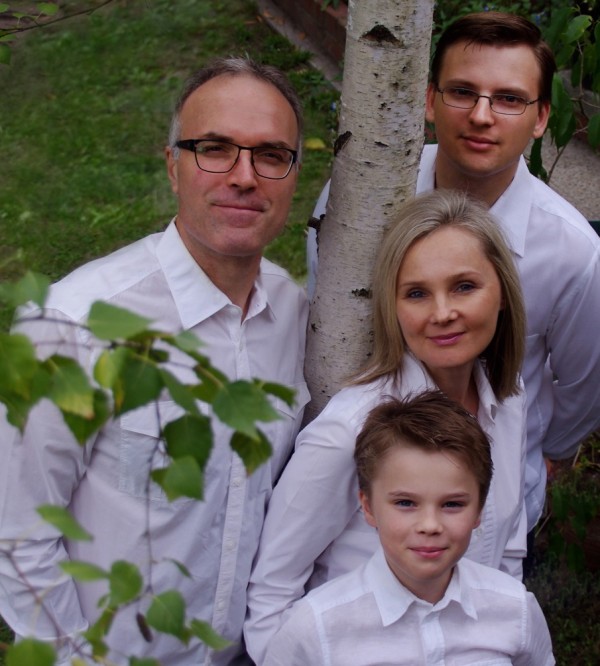
3×3 rīkotāji Melburnā. No kreisās puses Valdis, Iveta, Elvijs un priekšplānā Magnuss. Foto: Renārs Otto.

Ir pienācis tas laiks, kad vasaras karstās dienas Austrālijā, īpaši Melburnas pusē, nomaina dzestrāki, tumšāki rīti un vēsākas dienas. Arī lietus mākoņi parādās biežāk un atveldzē vasaras svelmē izkaltušo un vietām saplaisājušo zemi. Viss kļūst zaļāks, un ļaudis no vasarīgām brīvdienu domām atkal ieslīgst ikdienas darbā, un tas ir īstais laiks plānot nākamā gada vasaras priekus. Viens no šādiem priekiem latviešiem nākamgad, no 2. – 8. janvārim, būs kārtējais 3×3 saiets, kas šoreiz notiks Melburnas apkārtnē.

Tas ir prieks visai ģimenei pavadīt laiku latviskā vidē, un šogad esam izvēlējušies pasakainu vietu (un, ticiet man, to pagāja ilgi un grūti izmeklēt), pavisam netālu no Melburnas – Tulengi (Toolangi) “Kalnu sidraba koku atpūtas un konferenču centrs” (Alpine Ash Mountain Retreat and Conference Centre).

Šajā augsto eikaliptu meža vidū ir atpūtas vieta, kurā ir rūpīgi iekopts dārzs, ar bērzu un kļavu kokiem. Baltie bērzu koki dod miera un latviskuma iespaidu, ko sēžot un runājot ar īpašuma pārvaldnieku, izjutām. Dzirdējām, kā  vējš šalko balto bērzu galotnēs, atgādinot par dzimto zemi Latviju, kuras trūkuma un dziļi mūsos ieaugušās mīlestības dēļ, mēs vispār rīkojam šādu saietu. Tas arī noved mūs pie izvēlētās 3×3 temas – “Kas kait man nedzīvot…”

Un te nu nāk dažādi turpinājumi, ko stāsta tautasdziesmas:

“Kas kait man nedzīvot
Lielas jūras maliņā:
Cik jūriņa viļņus meta,
Tik izmeta sudrabiņu.

Kas kait man nedzīvot
Diža meža maliņā:
Visapkārt oši, kļavi,
Vidū saule ritināja.

Kas kait mani nedzīvot
Treju kalnu starpiņā:
Pūš vējiņis, kuŗš pūzdamis,
Visi pūta sidrabiņu.”

“Kas kait man nedzīvot”… Austrālijā, ja vasarā es varu piedalīties 3×3 saietā un smelties latvietību…

Līdz saietam ir palikuši vēl desmit mēneši, un šajā laikā iepazīstināsim ar visu saieta norisi, nodarbību vadītājiem un viesiem, bet sāksim ar izvēlēto vietu.

Izvēlētā vieta ir apmēram 50 minūšu attālumā no Melburnas austrumu daļas. Braucot cauri Lilidailai, uz Tulengi var tikt gan caur Yarra Glen, gan caur Hilsvilu. Brauciens vijas pa kalniem, cauri skaistam Austrālijas mežam, līdz nonākam līdz līdzenumam, kur atrodas “Kalnu sidraba koku atpūtas un konferenču centrs”. Mēs dzīvosim dažāda veida mājiņās. Varēs apmesties tādās, kur ir divas guļamistabas. Tās ir pāgājušo Olimpisko spēļu Sidnejā, sportistu mājiņas.  Vieta būs arī lielākās mājiņās, kur ir istabiņas ar četrām gultām. Vietas pietiks visiem, un tā varēsim ērti pavadīt vakarus un brīvo laiku. Mūsu rīcībā būs trīs lielākas telpas, sporta zāle, tikšanās vieta brīvā dabā, gan arī vieta sporta spēlēm gan pieaugušajiem, gan šķēršļu gājiens bērniem. Bet pats patīkamākais ir tas, ka no rītiem dzirdēsim meža šalkas un putnu dziesmas un tad sāksies latvisko nodarbību diena, lai vakarā, patīkami paguruši, varētu kopā padziedāt un paspēlēt zolīti, vai tikai aprunāties.

Tā aicinām visas paaudzes plānot nedēļu, 2014. gadā no 2.- 8. janvārim, pavadīt Melburnas kalnos, lai kopā, latviskā vidē dziedātu latviešu dziesmas,  kopīgi spriestu par polītiku, valodu un veidotu dažādus mākslas darbus,  spēlētu spēles, sportotu un dejotu vakaru saietos, un vienkārši varētu būt lepni par to, ka esam latvieši. Par programmu tuvāk ziņosim vēlāk.

Aicinām arī visus latviešus visā plašajā pasaulē izmantot šo iespēju un savās nākamgada janvāra brīvdienās pabūt karstajā un eksotiskajā Austrālijā, sākumā apmeklējot 3×3 saietu un iepazīstot Austrālijas latviešu dzīvi un tad turpinot ceļu uz slaveno Ayers klints, Uluru Nacionālajā parkā Austrālijas vidū, Ķenguru salu netālu no Adelaides, Oberona ezeru Tasmānijā, Sidneju, kur atrodas slavenā Operas māja vai krāsaino Kvīnslandes barjerrifu un tik daudz ko citu. Lūdzam sazināties ar Ivetu pa epastu ALRedakcija@netspace.net.au. Labprāt izmantosim katra dalībnieka zināšanas un iespēju palīdzēt.

3×3 vadītāji Iveta un Valdis Laiņi

image

Ceļš uz 3×3 saieta vietu, Toolangi, netālu no Healesville un Yarra Glen.

image

Melbourne Latvian Folk Art Fund planning exhibition in March

image

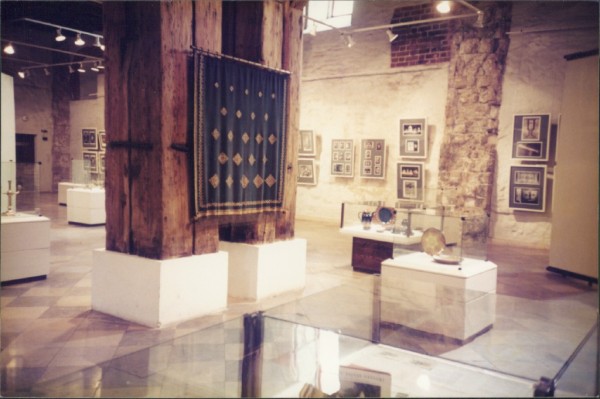
Exhibition at Wool Corporation House during Kultūras dienas in Melbourne in the 1970s.

The Latvian Folk Art Fund was founded by the Latvian Arts & Crafts Association in Melbourne, Australia in 1975 as a special projects fund. Initially its aim was to help the arts and crafts association with expenses for a travelling exhibition across America. This venture proved to be a resounding success.

Later in 1996 LTMF decided to publish a major work of 300+ pages on Latvian folk art, titled Latvian Ornaments Alive (Latvju raksti runā) The authors of this work presented what amounts to a summary of their life’s work in Latvian as well as English. Scientists, archaeologists, artists, writers, poets and craft artisans contributed their knowledge gratis, making this work an essential reference book for anyone interested in Latvian folk arts.

From the early 1960s through to the 1990s this group of dedicated, enthusiastic and energetic Latvian folk artists, led by Lidija & Sergejs Beklešovi, Jānis Laduzāns and Arvīds Sodums placed Latvian arts & crafts in the forefront of many Australian Latvian Culture Days (Kultūras dienas) as well as other multicultural exhibitions.These were halcyon days for showcasing the heritage of Latvian arts & crafts in Australia. Arts & crafts magazines as well as other notable publications were published during this period.

Then, with failing health and no-one to continue this work, Lidija and Sergejs Beklešovi donated 13 crates of their life’s work to museums in Latvia. Beklešovs travelled to Rīga in 2006 to organise their last exhibition in June of that year.

Now, some 16 years on, the Latvian Folk Art Fund is preparing to showcase a retrospective overview of Latvian folk arts – an exhibition “Everything Old is New” on 9th, 10th and 11th March 2013 at the Melbourne Latvian House, 3 Dickens Street Elwood. The mission of the exhibition is to inspire and rekindle an interest in Latvian folk arts. Many exhibits are from private collections and will be for sale at very reasonable prices. All proceeds from this exhibition will be donated to the Latvian Summer School Dzintari to enable future generations to learn the folk art skills, which are such an inherently integral part of any Latvian’s cultural identity. There will also be copies of Latvian Ornaments Alive and Senais Mantojums available for purchase.   

The organiser of the March exhibition, Inara Taylor (née Beklešovs), hopes to rekindle a nostalgic interest, open a new window or spark a desire to not let the Latvian arts slip and fade into obscurity. Instead the hope is it will be built upon and evolve while at the same time retaining our distinct forms, signs and symbols.   
     

image

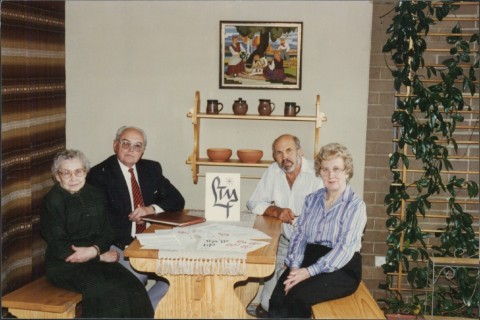
Four original board members of Latviešu Tautas Mākslas Fonds – Lidija Beklešova, Aivars Saulītis, Igors Dimits and Eva Brennere.

image

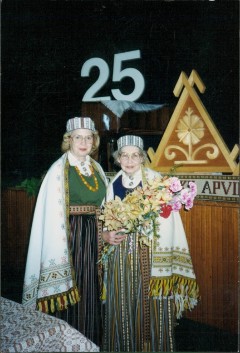
Rasma Celms and Lidija Beklešovs at the 25th anniversary of Latviešu Tautas Mākslas Fonds.