Latvia falls in corruption index

After several years of improvements, Latvia’s ranking in a global index of corruption has dropped almost to the point it was at five years ago, according to results announced Nov. 17 by the Berlin-based anti-graft organization Transparency International.

Latvia ranked 56th out of 180 countries in the 2009 Corruption Perceptions Index, down from 52nd in last year’s ranking, according to a press release from the organization.

The country’s ranking fell, the organization said, “primarily due to high profile corruption scandals and the previous government’s attempt to undermine the national anti-corruption agency in 2008,” a reference to former Prime Minister Aigars Kalvītis, the government’s sudden takeover of Parex Bank, and the government’s relationship with the Corruption Prevention and Combating Bureau (Korupcijas novēršanas un apkarošanas birojs).

“Perhaps the single most damaging corruption case concerned the previous government’s bailout of a locally owned bank at the end of 2008, which benefitted the bank’s owners, large investors and possibly, political decision-makers,” according to Transparency International. “The bailout eventually contributed to the collapse of the Latvian economy, which has badly affected government operations, including its ability to fight corruption.”

The index evaluates perceptions of public sector corruption. Countries are evaluated through a variety of surveys and given a score from zero (most corrupt) to 10 (least corrupt). Latvia’s score was 4.5, a notable decrease from the 5.0 it achieved in the 2008 index. However, Transparency International warns that the index “is not a tool that is suitable for monitoring progress or lack of progress over time.”

Malaysia, Namibia, Samoa and Slovakia also all scored 4.5.

Estonia, with a score of 6.6, ranked 27th and was unchanged from last year. Lithuania, with a score of 4.9, ranked 52nd, up from 58th last year.

Perceived as least corrupt were New Zealand at 9.4, Denmark at 9.3, and Singapore and Sweden, which were tied at 9.2. At the bottom of the index was Somalia, with a score of 1.1.

Andris Straumanis is a special correspondent for and a co-founder of Latvians Online. From 2000–2012 he was editor of the website.

PBLA honors Valdis and Lalita Muižnieks for years of service

The late Valdis Muižnieks and his wife, Lalita, have been honored by the World Federation of Free Latvians (Pasaules brīvo latviešu apvienība, or PBLA) with its top award. The annual PBLA Award traditionally is announced during Nov. 18 celebrations in diaspora communities.

The PBLA’s Culture Fund also announced 25 awards to various individuals and organizations, including Latvians Online, which earned a certificate of recognition for its “notable contribution” to distributing information to Latvians abroad.

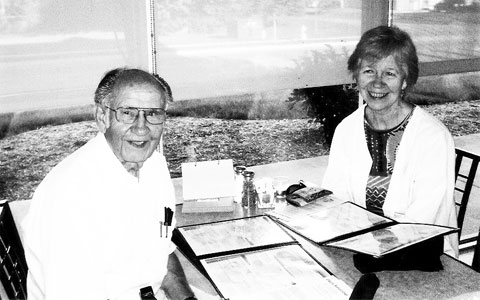
Valdis Muižnieks, who died in July, and Lalita Muižniece have a long record of involvement in Latvian community affairs and organizations. The PBLA particularly noted the couple’s persistent and successful work in creating the Latvian studies program and the Latvian Studies Center at Western Michigan University in Kalamazoo.

Valdis initiated an accredited Latvian language summer course at the university in 1966 and, in 1981, the American Latvian Association put its support behind a full-time program in Latvian studies. The Latvian Studies Center provided housing for students in the program and included a library and space for events. Lalita, who earned her doctorate from the University of Michigan, became an instructor in the Latvian studies program.

“Valdis and Lalita Muižnieks’ coordinated tenacity was expressed in their unique way of working together,” according to the PBLA announcement of the award. Valdis was the one with the vision for the Latvian Studies Center, and he diligently worked to sell the idea and garner support, the PBLA announcement said. Lalita helped coordinate plans, prepare materials in both English and Latvian, and worked as an instructor.

During the three decades Latvian studies was offered at Western Michigan University, a total of 1,234 students took courses in the program, according to the PBLA. Of those, 82 completed majors or minors in Latvian studies. The Latvian Studies Center was closed in 1996.

Valdis also helped establish the Latvian Foundation and served as its first chairman. He was involved with the American Latvian Association, the Daugavas Vanagi veterans group, the Valdemārija student organization and the Latvian Evangelical Lutheran United Church of Kalamazoo. He received an honorary doctorate in 1985 from Western Michigan University and, in 1996, was honored with the Order of Three Stars, which is Latvia’s highest civilian award.

Lalita, besides teaching at Western Michigan, also has been a guest lecturer at the University of Latvia and the Latvian Academy of Culture. She also served as an editor of the Latvian children’s magazine Mazputniņš.

The PBLA Award was created by the association in 1963. Its first recipient was the painter Jānis Kuga. Last year’s recipient was Jānis Kukainis, former chairman of the American Latvian Association and of the PBLA. The award carries a USD 5,000 prize.

PBLA Culture Fund awards

Eight individuals were selected by the PBLA Culture Fund to receive its top awards:

  • USD 2,000 awards of honor (Goda balva) to Talivaldis Bērziņš of the U.S. for exceptional work in exile Latvian education and culture, and to Rolfs Ekmanis of the U.S. for his lifetime achievement in Latvian literature research and publication.
  • Certificates of honor to Dagnija Greste-Zariņa of Australia for the suggesting, coordinating and editing the book Austrālijas latviešu mākslinieki; Juris Ķeniņs of Canada for artistic direction of the 12th and 13th Song Festivals in Canada and for popularizing Latvian music; Lizbeth Upītis of the U.S. for popularizing and teaching how to make Latvian mittens through her book, Latvian Mittens.
  • The USD 1,000 Krišjānis Barons prize to Ilgvars Ozols of Argentina for his longtime encouragement of Latvian spiritual and secular community life, and to composers Lolita Ritmane and Brigita Ritmane-Jameson of the U.S. for the vocal and instrumental music in the musical “Vēstule no Losas,” which had its premier last year during the West Coast Latvian Song Festival in California.

Certificates of recognition

In addition, the Culture Fund announced that the following individuals and organizations will receive certificates of recognition:

  • Guna Asone of the U.S. for her notable contribution to Latvian youth education.
  • Iveta Asone of the U.S. for her notable contribution to Latvian education and youth development.
  • Izabella Cielēna of Sweden for her work in familiaring non-Latvians with Latvian painting.
  • Dainis Draviņš of Sweden for his contribution to technology and natural sciences in organizing international cooperation with Ventspils University College.
  • Māris Ernstsons of Canada for his work with Latvian jewelry and its popularization among non-Latvians.
  • Elisa Freimane of the U.S. for her notable contribution in Latvian youth education, including 10 years leading the Gaŗezers Summer High School near Three Rivers, Mich.
  • Valda Grīnberga of the U.S. for her notable contribution to Latvian youth education and development.
  • Diāna Krūmiņa-Engstedt of Sweden for popularizing Latvian culinary and holiday traditions.
  • Tālivaldis Ķivlenieks of Canada for his work with Latvian jewelry and its popularization among non-Latvians.
  • Latvians Online for its notable contribution in distributing information among Latvians abroad.
  • Brigita Liepiņa of Australia for editing the weekly newspaper Austrālijas Latvietis.
  • Zane Rītere of Australia for her longtime work in popularizing Latvian music.
  • Iveta Rone of Australia for her longtime work in Latvian society and in youth development.
  • Andris Rūtiņš of the U.S. for teaching jewelry making in 3×3 culture camps and other Latvian events.
  • The Sydney Latvian Theater for its exceptional performance of “Kabarē de Rīga,” created and directed by Jānis Čečiņš.
  • Sarmīte Svilis un Daiga Hensone of the U.S. for their achievements in designing modern costumes using Latvian elements.
  • Ivonne Vaar of Canada for exceptional achievement in art photography and for her work, “Toronto I.”
  • Māra Vārpa of the U.S. for playing Latvian choral music and for directing the Chicago Latvian men’s choir.
Valdis and Lalita Muižnieks

Valdis Muižnieks, who died last year, and his wife, Lalita, have been award the World Federation of Free Latvians’ top honor. (Photo courtesy of the World Federation of Free Latvians)

Andris Straumanis is a special correspondent for and a co-founder of Latvians Online. From 2000–2012 he was editor of the website.

Ar īpašu piegaršu, firma ‘Zafte’ meklē savu vietu dizaina pasaulē

Dizaina grupa “SIA Zafte” ir 2008. gada nogalē Rīgā nodibināts uzņēmums, kas izteicis sev trīs pamata darbības virzienus – dizaina priekšmetu un modes kolekciju veidošana, Latvijas autoru dizaina preču tirdzniecība un citi pakalpojumi ar dizainu saistītās jomās. Firmas “galvenās vārītājas” ir Ināra Gauja un Ingrīda Zābere, abām šis ir jauns pavērsiens dzīvē.

“Baltā nakts” mūsdienu kultūras festivālā, kas notika Rīgā naktī no 12. uz 13. septembri, “Zafte” guva plašu ievērību, foruma ietvaros rīkojot savu jauno tērpu kolekciju modes skati ar nosaukumu “Boutique Fashion Recycled jeb turies pie Raiņa!”. Kolekcijām bija unikāli pārtikas produktu nosaukumi – sāls, cukurs, milti, ingvers, piens. Pamatideja – apģērbu radīšana, pārstrādājot lietotus apģērbus, lai tiem būtu svaigs pielietojums.

Par savu uzņēmumu, kā arī par dizaina grupas projektu “RECYCLED.LV”, Gauja un Zābere pastāstija e-pasta intervijā ar Latvians Online.

Latvians Online: Pastāstiet mazliet par sevi, savu izglītību, darbu līdz šim un kā radās ideja veidot šo modes kolekciju?

Ināra Gauja: Esmu profesionāla scenogrāfe ar Latvijas Mākslas akadēmijas izglītību. Ar pārtraukumiem darbojos teātros kopš astoņdesmito gadu beigām – Nacionālajā teātrī sadarbībā ar režisoru O.Kroderu, Valmieras teātrī sadarbībā ar režisoru F.Deiču, neatkarīgajā teātrī “Kabata”, Jaunatnes teātrī, Krievu Drāmas teātrī, Liepājā, Daugavpilī. No teātra pasūtījumiem brīvajā laikā esmu darbojusies kā interjera dizainere, dizaina žurnāliste un stiliste. Veidot Recycled modes kolekciju mani pamudināja skolas biedrene Ingrīda Zābere (kopā mācījāmies Rīgas Lietišķās mākslas vidusskolā astoņdesmito gadu sākumā) – man pašai bija ideja veidot recycled dizaina priekšmetu kolekciju, jo radošais process, kā viena lieta pārtop par citu, mainot savu vizuālo tēlu, mani vienmēr ir saistījis.

Ingrīda Zābere: Esmu beigusi Rīgas Lietišķās mākslas vidusskolu un Latvijas Mākslas akadēmijas dizaina nodaļu. Jau aptuveni 20 gadus strādāju grafiskā dizaina jomā. Manas darbavietas bijušas reklāmas aģentūras, žurnālu un grāmatu izdevniecības. Tā kā maketēšana pārsvarā ir ilgstošas stundas pie datora, bīdot pa ekrānu tekstu klučus un bildes, laiku pa laikam paliek sagribas darīt kaut ko sievišķīgāku un radošāku. Nejaušā sarunā ar Ināru atklājās, ka abas esam gatavas uzsākt kaut ko jaunu. 

Latvians Online: Izstādes atklāšana notika “Baltā nakts” ietvaros. Jūsu darbi arī izstādīti vairākās citās vietās Latvijā. Kā esat iecerējuši tālāk virzit šo projektu – atvert veikalu, tirgot preces internetā?

Zābere: Nedēļās garumā izbaudījām prieku “pašām savs veikals” un būtu jauki to turpināt, lai mūsu izstrādājumiem rastos iespēja nodzīvot savu otro dzīvi, ko esam tiem devušas, nevis tikai karāties uz pakaramā. Jāatzīst, man pašai pats kleitu tapšanas process ir interesantāks par tā pārdošanas darbu, tomēr nevaru noliegt, ka ir patīkami, ja manis radītās lietas kādam patīk.

Gauja: Mēs būtu priecīgas atvērt savu dizaina veikalu, taču mums tam būtu vajadzīgs kāds investors. Vispirms pārbaudīsim savu kolekciju komerciālo veiksmi jau esošajos latviešu modes veikalos Rīgā. Paralēli arī turpmāk piedalīsimies dažādos dizaina konkursos un mākslas projektos, skatīsimies arī pāri robežai. Un darbs pie jaunu kolekciju radīšanas arī prasa daudz laika un enerģijas.

Latvians Online: Vai modes dizains ir ilgi bijis jums sirds lieta?

Gauja: Nekad neesmu domājusi būt par modes dizaineri. Esmu māksliniece, kam ir interesanti izpausties dažādās nozarēs, tai skaitā veidot un piedāvāt citiem savu īpatnēju skatījumu uz apģērbu.

Zābere: Kad biju maza, man bija jāstāv mammai blakus nebeidzami garās veikalu rindās, un atceros, kā ar interesi vēroju sieviešu kurpes un pētīju to dažādos fasonus. Vēlāk akadēmijā ģērbos vecmāmiņas jaunības laiku kleitās un sāku kolekcionēt seno laiku apģērbus. Doma par darbošanos modes virzienā vienmēr bija likusies kā neaizsniedzams augstais kalns, bet tam nedaudz pietuvojos, strādājot žurnālā Cosmopolitan. Mani ļoti aizrāva modes un stila fotosesiju veidošana, un redzu kā tas šobrīd ietekmē recycled bilžu rokrakstu.

Latvians Online: Kādas izjūtas bijušas, strādajot pie šīs kolekcijas – to veidojot, virzot ideju uz priekšu?

Gauja: Darbu pie apģērbu kolekcijas uztveru tikpat racionāli, kā citus savus mākslinieka darbus publikai – tas ir radošs, profesionāls izaicinājums pašai sev, kura rezultātam būtu jārosina īpašas, pozitīvas izjūtas citos. Ceru, ka tas man izdodas.

Zābere: Prieks, ka recycled ideja apvieno gan modi, gan manu milestibu uz vintage. Neuzņemoties pienākumu cieši sekot modes tendencēm, varu dauzīties un jokot uz nebēdu. Recycled lietas ir modernas ar savu ekoloģisko ideju.

Latvians Online: Vai sis ir pirmais privātais uzņēmums, ko dibinat? Kāda pieredze gūta, ejot cauri firmas dibināšanas procesam?

Zābere: Pirms 15 gadiem tiku rakstījusi biznesa plānu izmeklēti krāšņu second-hand jeb vintage lietu veikalam, bija pat iespēja dabūt kredītu, bet pēdējā brīdī pārdomāju. Pirms tam ir bijusi arī sava izdevniecība, tāpēc ir pieredze darboties privātā uzņēmumā. 

Gauja: Šis ir mans pirmais privātais uzņēmums. Firmas dibināšanas process ir diezgan vienkārša formalitāšu ķēde. Tālākais – attīstība, izaugsme – ir pašu rokās. Mūsu starta laiks sakrita ar ekonomiskās krīzes izsludināšanu, un mums atteica cerēto un jau apsolīto projekta atbalsta finansējumu – tas radīja grūtības un palēnināja iecerēto uzrāviena tempu – ar visu bija jātiek galā pašām.

Latvians Online: Vai šī projekta katalizators ir bijusi ekonomiskā krīze, jeb vai iecere būtu realizēta arī bez krīzes?

Gauja: Projekta iecere radās pirms krīzes. Bez krīzes tā būtu realizēta raitāk, bet krīzes kontekstā mūsu projektam ir citāda publicitāte. Neviens nezina – kā būtu, ja būtu…

Latvians Online: Ko varat ieteikt citiem, kam ir vēl nerealizētas idejas?

Gauja: Ja ideja ne tikai pašam, bet vēl kādam šķiet realizēšanas vērta – vajag visu apsvērt un drusku paskaitļot, un – uz priekšu!

Zābere: Uzdot sev jautājumu “Ko es vēlos?”. Es draudzenei pagājšvasar neviltoti naivi reiz izteicu: Gribu šūt. Nākamajā dienā viņa zvana un jautā, vai man esot vajadzīgs manekens un šujmašīna, esot nolikti pie vinas mājas miskastēm. Ja zin, ko vēlas, noteikti radīsies ideja, kā to iegūt. Kurš meklē, tas atrod jeb klauvē un tev tiks atvērts.

Zaftes mode

Ināras Gaujas modes dizains ieskaita šo topu, lina izstrādājumu, kas firmas interneta katalogā aprakstīts ar paskaidrojumu, ka tas “valkājams ar apkaklīti uz leju divos veidos – ar apģērbtiem pleciem vai tikai virs krūtīm”.

Daina Gross is editor of Latvians Online. An Australian-Latvian she is also a migration researcher at the University of Latvia, PhD from the University of Sussex, formerly a member of the board of the World Federation of Free Latvians, author and translator/ editor/ proofreader from Latvian into English of an eclectic mix of publications of different genres.