Commission certifies Saeima election results, releases new MP list

Final results of the Sept. 17 special parliamentary election—called after voters in Latvia and abroad dissolved the 10th Saeima—have been released by the Central Election Commission in Rīga.

The commission on Oct. 4 certified election results from all 1,027 polling stations, 77 of which were located outside of Latvia.

The pro-Russian and center-left Harmony Centre (Saskaņas centrs) claimed victory, securing 31 seats in the parliament. The Zatlers Reform Party (Zatlera Reforma partija) took 22 seats; the centrist Unity (Vienotība) earned 20 spots; the right-wing National Alliance (Nacionālā apvienība “Visu Latvijai!” – “Tēvzemei un Brīvībai/LNNK”), 14; and the Union of Greens and Farmers (Zaļo un Zemnieku savienība), 13. The first four parties are now in negotations about who should be in a new coalition government.

According to the Central Election Commission, voter turnout overall stood at 59.49 percent. Among registered voters abroad, turnout was 28.07 percent.

The new parliament is scheduled to meet for the first time on Oct. 17.

In alphabetical order, the candidates elected from each party (with the election district from which they were elected shown in parentheses) are:

Harmony Centre

  1. Valērijs Agešins (Kurzeme)
  2. Jānis Ādamsons (Vidzeme)
  3. Boriss Cilevičs (Rīga)
  4. Irina Cvetkova (Rīga)
  5. Sergejs Dolgopolovs (Vidzeme)
  6. Andrejs Elksniņš (Kurzeme)
  7. Marjana Ivanova–Jevsejeva (Latgale)
  8. Aleksandrs Jakimovs (Latgale)
  9. Viktors Jakovļevs (Vidzeme)
  10. Nikolajs Kabanovs (Rīga)
  11. Andrejs Klementjevs (Rīga)
  12. Ivans Klementjevs (Vidzeme)
  13. Jeļena Lazareva (Latgale)
  14. Igors Meļņikovs (Rīga)
  15. Sergejs Mirskis (Rīga)
  16. Vladimirs Nikonovs (Latgale)
  17. Ņikita Ņikiforovs (Rīga)
  18. Vitālijs Orlovs (Zemgale)
  19. Igors Pimenovs (Rīga)
  20. Sergejs Potapkins (Rīga)
  21. Vladimirs Reskājs (Zemgale)
  22. Ivans Ribakovs (Latgale)
  23. Dmitrijs Rodionovs (Latgale)
  24. Artūrs Rubiks (Rīga)
  25. Raimonds Rubiks (Latgale)
  26. Aleksandrs Sakovskis (Vidzeme)
  27. Jānis Tutins (Latgale)
  28. Jānis Urbanovičs (Rīga)
  29. Ivars Zariņš (Zemgale)
  30. Mihails Zemļinskis (Rīga)
  31. Igors Zujevs (Rīga)

Zatlers Reform Party

  1. Guntars Bilsēns (Vidzeme)
  2. Inita Bišofa (Kurzeme)
  3. Inga Bite (Rīga)
  4. Edmunds Demiters (Kurzeme)
  5. Vjačeslavs Dombrovskis (Rīga)
  6. Kārlis Eņģelis (Rīga)
  7. Gunārs Igaunis (Latgale)
  8. Jānis Junkurs (Kurzeme)
  9. Zanda Kalniņa–Lukaševica (Vidzeme)
  10. Valdis Liepiņš (Rīga)
  11. Inese Lībiņa – Egnere (Kurzeme)
  12. Klāvs Olšteins (Zemgale)
  13. Jānis Ozoliņš (Zemgale)
  14. Romualds Ražuks ( Vidzeme)
  15. Gunārs Rusiņš (Vidzeme)
  16. Elīna Siliņa (Vidzeme)
  17. Edmunds Sprūdžs ( Rīga)
  18. Jānis Upenieks (Vidzeme)
  19. Viktors Valainis (Zemgale)
  20. Inga Vanaga (Zemgale)
  21. Juris Viļums ( Latgale)
  22. Valdis Zatlers (Vidzeme)

Unity

  1. Dzintars Ābiķis (Vidzeme)
  2. Solvita Āboltiņa (Kurzeme)
  3. Andris Buiķis (Rīga)
  4. Ilma Čepāne (Vidzeme)
  5. Valdis Dombrovskis (Vidzeme)
  6. Ina Druviete (Vidzeme)
  7. Andrejs Judins (Rīga)
  8. Ojārs Ēriks Kalniņš (Rīga)
  9. Janīna Kursīte – Pakule (Kurzeme)
  10. Ainars Latkovskis (Vidzeme)
  11. Jānis Lāčplēsis (Latgale)
  12. Atis Lejiņš (Zemgale)
  13. Aleksejs Loskutovs (Latgale)
  14. Artis Pabriks (Vidzeme)
  15. Jānis Reirs (Zemgale)
  16. Inguna Rībena (Rīga)
  17. Edvards Smiltēns (Vidzeme)
  18. Andris Vilks (Rīga)
  19. Ilze Viņķele (Rīga)
  20. Dzintars Zaķis (Zemgale)

National Alliance

  1. Gaidis Bērziņš (Kurzeme)
  2. Einārs Cilinskis (Rīga)
  3. Jānis Dombrava (Vidzeme)
  4. Raivis Dzintars (Vidzeme)
  5. Kārlis Krēsliņš (Vidzeme)
  6. Dzintars Kudums (Kurzeme)
  7. Inese Laizāne (Latgale)
  8. Ilmārs Latkovskis (Rīga)
  9. Ināra Mūrniece (Vidzeme)
  10. Romāns Naudiņš (Vidzeme)
  11. Imants Parādnieks (Zemgale)
  12. Vineta Poriņa (Zemgale)
  13. Dzintars Rasnačs (Rīga)
  14. Dāvis Stalts (Rīga)

Union of Greens and Farmers

  1. Uldis Augulis (Zemgale)
  2. Aija Barča (Kurzeme)
  3. Andris Bērziņš (Zemgale)
  4. Augusts Brigmanis ( Zemgale)
  5. Jānis Dūklavs (Vidzeme)
  6. Rihards Eigims (Latgale)
  7. Iveta Grigule (Vidzeme)
  8. Jānis Klaužs (Latgale)
  9. Ingmārs Līdaka (Vidzeme)
  10. Dana Reizniece–Ozola (Kurzeme)
  11. Kārlis Seržants (Rīga)
  12. Raimonds Vējonis (Rīga)
  13. Jānis Vucāns (Kurzeme)

Zatlers wants Dombrovskis as PM in coalition with Unity, Harmony Centre

The Zatlers’ Reform Party (Zatlera Reformu partija, or ZRP) wants current Prime Minister Valdis Dombrovskis to form Latvia’s next government, which would be a three-party coalition that would include the center-left and pro-Russian Harmony Centre (Saskaņas centrs).

In a statement released early Oct. 1 in Rīga, the centrist and reform-minded party headed by former President Valdis Zatlers said that its closest ideological partner is Unity (Vienotība), of which Dombrovskis is a member. At the same time, according to the statement, ZRP says that in order to enact the reforms it stands for it needs a broad majority in the Saeima.

“The Latvian state is as strong as Latvia’s people are unified,” according to the statement from the party’s board of directors.

In the Sept. 17 special parliamentary election, Harmony Centre won 31 of the Saeima’s seats. ZRP took 22 and Unity got 20, according to provisional results reported by the Central Election Commission. Together the three parties will control 73 seats in the 11th Saeima.

Whether the coalition will come together as suggested may depend on if Harmony Centre is willing to accept ZRP’s conditions. In discussions with Harmony Centre, according to the ZRP statement, party officials have maintained that one condition is that the fact of Latvia’s occupation by the Soviet Union must be acknowledged. In the past, Harmony Centre officials have been reluctant to do so.

“Harmony Centre must free itself from the spectres of the Interfront and the Communist Party,” according to the ZRP statement, “just as other parties must free themselves of searching for the enemies within.”

Disputes between ethnic Latvians and ethnic Russians served the oligarchs who have robbed Latvia, the statement continued.

“Right now we have a unique opportunity to tear down the wall of ethnic distrust, to create a unified people who are the power in an independent Latvian state,” according to the statement.

The right-wing National Alliance (Nacionālā apvienība “Visu Latvijai!”-“Tēvzemei un Brīvībai/LNNK”) won 14 seats and has been in discussion with ZRP and Unity about joining the coalition. However, leaders of the National Alliance also have said they would not serve in a government that included Harmony Centre.

If ZRP and Unity were to form a coalition with the National Alliance, then their majority in the Saeima would be narrower—just 56 seats.

The Union of Greens and Farmers (Zaļo un Zemnieku savienība) held on to 13 seats in the special election. Tied to oligarch and Ventspils Mayor Aivars Lembergs, the party was among targets of ZRP. Zatlers has said his party would not serve in a coalition with the Greens and Farmers.

ZRP’s invitation to Dombrovskis to continue as the prime minister means the party has stepped back from its own prime ministerial candidate, Edmunds Sprūdžs. He likely would still get a ministerial post in the new government.

After meetings with represenatives of all parties in the new Saeima, President Andris Bērziņš on Sept. 29 told a press conference that if a coalition is not put together by the end of next week, he will take action. Under Latvia’s constitution, it is up to the president to invite a prime ministerial candidate to form a new government. Once the government is formed, the Saeima must confirm it.

The 11th Saeima, according to the constitution, must meet for the first time no later than a month after its election, in this case by Oct. 17.

Andris Straumanis is a special correspondent for and a co-founder of Latvians Online. From 2000–2012 he was editor of the website.

Police renew appeal for missing teenager in Britain’s Cambridgeshire

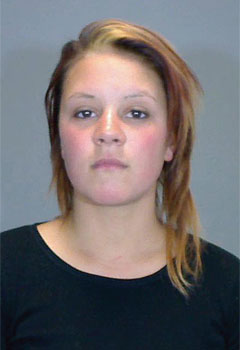
British police in Cambridgeshire, north of London, have renewed their appeal for information about a missing 17-year-old girl who was born in Latvia.

After several reported sightings of Alisa Dmitrijeva in the Wisbech area, police investigating her disappearance are again asking the public for help. A family member reported her missing on Sept. 6, but she was last seen shortly after midnight Aug. 31 on Friars Street in King’s Lynn.

The area from which Dmitrijeva went missing is about 100 miles (160 kilometers) north of London. Besides Wisbech, she has ties to Peterborough, Lincon and King’s Lynn, according to a Sept. 23 press release from Cambridgeshire Constabulary.

“We have had a couple of potential sightings of Alisa in Wisbech and we are really keen to get those confirmed,” said Det. Chief Inspector Melanie Dales. “Her friends and family are very worried as they have not seen or heard from her for three weeks. I would urge anyone who has seen Alisa since August 31 to contact police.”

Dmitrijeva is described as 5 feet, 6 inches tall (1.67 meters), with collar length dark brown hair with blonde highlights. However, her hair may now be darker with a fringe.

Persons with information about Dmitrijeva’s whereabouts may telephone Cambridgeshire police at +44 0345 456 456 4 or, anonymously in the United Kingdom, through Crimestoppers on 0800 555 111.

Alisa Dmitrijeva

Police in Britain’s Cambridgeshire are seeking information about Alisa Dmitrijeva, who was last seen Aug. 31. (Photo courtesy of Cambridgeshire Constabulary)