Līdz galam neizdziedātā dziesma un neizdejotā deja

Pirms došanās uz XIII Vispārējiem Dziesmu svētkiem ASV, kas norisinājās šogad no 4. līdz 8.jūlijam Milvokos un pulcēja vairāk nekā 3000 apmeklētāju, no dažādiem avotiem izskanēja ziņas, ka šie, iespējams, būšot pēdējie šāda veida svētki Amerikas Savienotajās Valstīs. Ļaudis runāja, ka neviens latviešu centrs ASV vairs neesot gatavs uzņemties šāda mēroga svētku rīkošanu. Un, spriežot pēc sarunām ar Milvoku Dziesmu svētku rīkotājiem, var saprast – kāpēc?

XIII Vispārējo latviešu dziesmu svētku plānošana esot sākusies tūlīt pēc iepriekšējo svētku noslēguma Indianapolē un organizatoriskie darbi (sabiedriskā kārtā) noritējuši pieaugošā intensitātē jau kopš 2007. gada. Daudzu līdžsinējo sabiedrisko darbinieku spēki sāk izsīkt, savukārt jaunie baidoties uz saviem pleciem uzņemties šāda mēroga sarīkojumu organizēšanu.

Lai arī ASV Vispārējo Dziesmu svētku karogs nupat aizceļojis pie Kanādas latviešiem, kuri 2014.gadā Hamiltonā rīko XIV Kanādas Vispārējos dziesmu svētkus, tomēr ļoti grūti būtu noticēt, ka šis karogs aizceļojis turp uz neatgriešanos.

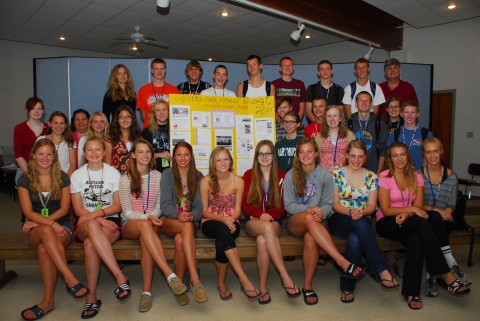
Pat ja Dziesmu svētku apmeklētāji stāsta, ka bagātīgās koncertu programmas lielākā daļa skatītāju esot bijusi vecāka gada gājuma ļaudis – bijušie trimdinieki, tomēr, ar Dziesmu svētku dalībnieka acīm raugoties, svētkos netrūka gados jaunu dalībnieku, kuri faktiski nodrošināja lielāko īpatsvaru no vairāk nekā 600 deju lieluzdevuma dejotāju. Un ņemot vērā to enerģijas lādiņu, ko šie latviešu izcelsmes ASV un Kanādā dzimušie jaunieši guva no līdzdalības šajos svētkos, ir grūti noticēt, ka šī enerģija nemeklēs jaunus ceļus un veidus, kā izpausties nākotnē.

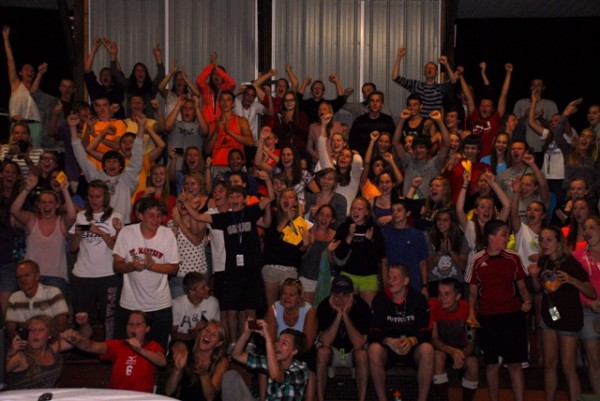
Dziesmu svētku laikā bija vērojams, kā to dalībnieki un apmeklētāji kā tādi atomi saskārās viens ar otru, radot maģisku enerģētisku lādiņu. Daži satikās pēc gada, citiem tā bija atkalredzēšanās pēc 10, 20 vai pat 30 gadiem. Ik katru šādu satikšanos pavadīja apkampieni un siltu vārdu apmaiņa. Tomēr drīz pēc tam katrs atkal devās savā virzienā, lai paspētu uz kādu no daudzajiem Dziesmu svētku sarīkojumiem vai satiktu savus radus, draugus vai paziņas.

Jāpiebilst, ka Dziesmu svētku programma bija tik bagātīga, ka uz visiem sarīkojumiem paspēt nemaz nebija iespējams. Kaut ko priekš sevis varēja atrast gan dziesmu un deju, gan teātra un mākslas cienītāji, gan uzdzīves mīlētāji.

Viens no Milvoku restorāniem bija sagatavojis īpašu pārsteigumu – speciālu šim notikumam par godu sabrūvētu alu “Latvian Lager”. (Kā pastāstīja restorāna viesmīļi, šis divu mēnešu patēriņam domātais miestiņa daudzums ticis iztukšots trīs dienu laikā.) Latviešu klātbūtne Milvokos Dziesmu svētku nedēļā bija jūtama ik uz stūra. Par to liecināja virs galvenās Dziesmu svētku viesnīcas un pilsētas ielās izkārtie Latvijas karogi, kā arī visapkārt dzirdamā latviešu valoda.

Absolūts fizisko spēku izsīkums, bet emocionāls pacilājums bija stāvoklis, kas raksturoja ļoti daudzus Dziesmu svētkus dalībniekus nākamajās dienās pēc atgriešanās savās mājvietās. “Latviskās baterijas ir uzlādētas,” savas izjūtas raksturoja vairāki svētku dalībnieki. Savukārt sociālie mediji, tādi kā Facebook, pēcsvētku dienās pieredzēja īstu Dziesmu svētku fotogrāfiju pārsātinājumu, kur stundu pa stundai parādījās jauni fotouzņēmumi no svētku koncertiem un to aizkulisēm.

Kamēr Fox ziņu kanāls Milvokos četrās atsevišķās videoreportāžās iepazīstināja amerikāņu sabiedrību ar latviešu dziesmu svētku tradīcijām, tautastērpiem, dejām un rotas lietu gatavošanas prasmēm, tajā pat laikā Latvijas masu mediji par šo notikumu spītīgi klusēja. Šie svētki Latvijas masu medijiem bija kā nebijuši, ja neskaita ziņu aģentūras LETA izplatīto ziņu par grupas “Labvēlīgais Tips” uzstāšanos Dziesmu svētku dalībniekiem un Kultūras ministres Žanetas Jaunzemes Grendes plānoto uzrunu Dziesmu svētku kopkoru koncertā, uz kuru ministre aizkavēta lidojuma dēļ tā arī neieradās.

Lai arī šie svētki kārtējo reizi norādīja uz to, ka latvieši Latvijā un pasaulē dzīvo lielā mērā paralēlu, savstarpēji atrautu kulturālo dzīvi, tomēr tie nodrošināja arī vairākus nozīmīgus savstarpējās sakarsmes punktus, kas izpaudās caur Latvijas viesmākslinieku uzstāšanos dažādās Dziesmu svētku programmas daļās. Folkoras grupa „Iļģi“, koris „Ogre“, deju kolektīvs „Mārupieši“ un grupa „Labvēlīgais Tips“ kalpoja kā vēstneši no Latvijas. Kā norāda vairāki svētku apmeklētāji, šo mākslinieku klātbūtne palīdzēja celt svētku kopējo māksliniecisko kvalitāti.

Tik un tā Dziesmu un deju svētku dzīvo spēku un kritisko masu nodrošināja ASV un Kanādā dzīvojošie latvieši pirmā, otrā, trešā un pat ceturtā paaudzē, piesaistot arī dažu labu amerikāni un viesus no citām valstīm. Ja daļai dalībnieku un apmeklētāju šie bija n-tie Dziesmu svētki un šo svētku tradīcijas un rituāli tiem jau bija labi pazīstami, tad daudziem šie bija pirmie Dziesmu svētki ASV.

Nenoliedzami, ka ASV Vispārējie Dziesmu svētki nav tādi, ko varētu apmeklētības un mākslinieciskās kvalitātes ziņā salīdzināt ar Latvijā ik pa pieciem gadiem rīkotajiem Dziesmu un Deju svētkiem, kuru dalībnieki tiek atlasīti konkursa kārtībā, bet to vērtība slēpjas Amerikas latviešu spējā pēc 60 gadus ilgas dzīves svešumā vēl joprojām sapulcēties tik lielā skaitā un turpināt šo dziesmu svētku tradīciju un latvietības svinēšanu caur dziesmām un dejām.

Šo ASV Vispārējo dziesmu svētku vērtība slēpjas arī tajā sirdsegsmē, ko dziesmu svētku dalībnieki nesa līdzi katrā savā priekšnesumā. Ir jāizsaka vislielākā atzinība Milvoku dziesmu svētku rīcības komitejai, kas uzņēmās saorganizēt šo latviešu tautas salidojumu Amerikā un nodrošināja ļoti kvalitatīvu svētku norisi. Tas enerģijas lādiņš, kas nāca no dziesmu svētku dalībniekiem, mudina domāt, ka šī enerģija tik drīz neizsīks – tā dziesma vēl nav izdziedāta. Un tā deja vēl nav izdejota. Un, vadoties pēc enerģijas neizzūdamības likumiem, paredzams, ka svētki neizpaliks.  Tikai jautājums kādā formātā un kur?

Ilze Garoza is a diaspora researcher. She has a Master's degree in Education Leadership and Administration from the University of Minnesota. She has received scholarships from the American Latvian Association and the Association for the Advancement of Baltic Studies.

A Numbers Game – the future of the Latvian émigré community

(Continuation – Latvians Online published the first part in this two-part series on 8th May 2012)

The Jewish community has Birthright, a program which funds trips to Israel for Jewish youths. While not nearly as well endowed, ALA has Sveika Latvija. To date the program has for the most part been targeted at graduates of heritage language elementary schools. It must be expanded and marketed to include even those who don’t attend Latvian school or speak Latvian. We need to get as many young adults of Latvian descent as possible to visit Latvia.

The émigré community should work with Latvian authorities to promote tourism to Latvia among Latvians and non-Latvians alike. Iceland is a case in point. There are non-stop Icelandair flights from Minneapolis to Reykjavik. What’s the connection? The Upper Mid West was the destination for many Icelandic immigrants. Few if any now speak Icelandic but there is a connection. Enough to warrant direct air service. Air Baltic is lagging but it needs to be encouraged. When it does expand overseas, the émigré community needs to support the airline.

The émigré community should work with the Government of Latvia to encourage study and internships programs in Latvia. It needs to push for removal of obstacles to ensure that participants are welcomed, that their professional skills are recognized and that their weaker Latvian language skills and non-existent Russian is not held against them. It should facilitate visits by professionals of Latvian descent in order to share their knowledge and experience.

The post-war Latvian exile community was cultured and sports were on the periphery. With the restoration of independence, Latvia’s athletes have fanned out across the world and garnered Latvia publicity and good-will that money can’t buy. Yet when compared to the enthusiasm that ethnic Italian or Greek communities show their national football teams, the reception of Latvia’s athletes by the émigré community has underwhelmed.

For example, in 2008 eight hundred hockey fans from Latvia descended on Halifax in Canada for the World Hockey Championships. Another two hundred Latvians from Canada and the United States joined them. Even though this was the biggest gathering of Latvians in Canada in 2008, the event failed to get mention in that year’s annual report of the Latvian National Federation in Canada (LNAK). Go figure! Sports is one of the best ways to connect younger émigré generations to today’s Latvia and not just the young, but also those not interested in culture and more artistic pursuits.

The post-war diaspora survived for many years as a transnational community in large part by personal links the older generations had forged growing up in pre-war Latvia and later in Displaced Person camps. The links were renewed at larger gatherings such as Song Festivals and facilitated by newspapers such as Laiks that covered community news across the United States and elsewhere. Today, the émigré community is dependent on electronic and social media to sustain its transnational nature – email, web-sites, draugiem.lv, latviansonline.com, Facebook, Skype, news sites and web radio and television from Latvia.

Some community papers like Latvija Amerika published in Toronto continue their broadsheet format although a pdf version can be requested. Austrālijas latvietis is marketing both a print and electronic version and using electronic transmission to expand to its content and readership to new geographies. [The Australian Latvian press has two national publications – Australijas latvietis and Laikraksts Latvietis: the former is primarily a printed publication with a website attached, while the latter is an online publication with a printed option. Ed.] Jauno Laiks is a welcome quarterly supplement to the venerable Laiks, now published out of New York and Rīga. Jauno Laiks is colourful, with articles in both English and Latvian, typically written by younger authors and a good read. So stuff is happening. It needs to be encouraged, supported and sustained.

Work through émigré communities around the world Googling „Latvian New York”, „Latvian Denver”, „Latvian Toronto”, „Latvian Edmonton”, „Latvian Melbourne”, „Latvian Leeds” and you will bring up hundreds of links. They range from references to Latvian organizations on local registries to nicely constructed content-rich web sites. Some are produced by IT professionals while others are home-spun. Some smaller communities have done a nice job while some larger ones are missing. Some have created Facebook groups and rely on them to get the message out. Many sites struggle keeping content up-to-date. Yet they’re there and allow community members to stay connected.

The web is democratic, it relies on local initiative and it can’t be driven from the top. Yet émigré umbrella organizations could hire IT summer students to produce web templates that can be loaded through easy-to-use content management systems and made available to local communities at no cost. The umbrella organizations could line up Internet Service Providers for local communities to use eliminating the hassle to figure it out on their own.

Causes in Latvia continue to attract the interest and support of émigré Latvians. Nothing wrong with that and anyone can donate to any cause or charity as they see fit. However for the most part, it should be done on an individual basis. Direct funding from émigré community organizations particularly national and transnational organizations should be done selectively for sustainable priority projects and balanced with the needs of the community abroad.

This brings us back full circle to the political role that the émigré community should play both abroad and in Latvia. In today’s world with massive global movement of people, borders, time and space are disappearing. It is natural that émigré communities are interested in and have a role to play in their homelands. However that role must be realistic, aligned with the capacity of the community and once again, balanced with its needs abroad.

As the representative of the post-war diaspora, PBLA has little political power in Rīga and has struggled to attain its goals. The question of re-opening dual citizenship languished until Latvian politicians started taking mass emigration seriously. Teaching Latvian history as a subject separate subject in Latvia’s schools saw the light of day only when others picked it up locally. Efforts to rollback Soviet changes in Latvian orthography have gone nowhere. The charge for electoral reform is led by expats living in Latvia. They have been able to garner local support and as a result are making inroads. On its own, the post-war diaspora is not strong enough to mount a major political action in Latvia. To succeed it needs to find common ground and forge partnerships with local interests in Latvia that are strong enough to push something through.

With tens of thousands of recent emigrants abroad, this might be the time to push for formal representation for the diaspora in Latvia’s parliament. Latvia does have an Ambassador at Large for the Diaspora. Currently he is Rolands Lappuķe, who is an expat himself. Still, he is a representative of the Government of Latvia and needs to take orders from the mothership which is different than being elected by voters and accountable to them. Why not one deputy for Europe and the other for the Americas and Australia? Romania has diaspora representation, why not Latvia? Getting this won’t be easy but it is a goal relevant to Latvian communities abroad and would help both recent arrivals and the established to connect with Latvia.

The Latvian émigré community needs a paradigm shift in order to survive. It needs to be welcoming. It needs to be inclusive and reach out to Latvians and non-Latvians alike. It needs to be re-enterable for those looking to re-connect with their Latvian heritage. It needs to be multi-tier. It needs to reconcile with different levels of Latvian language proficiency. It needs to be modular and recognize that being Latvian abroad cannot be a 7×24 experience.

The Latvian émigré community needs “To encourage and enable positive individual connections with Latvian society, culture and Latvia”.

(This is the second in a two-part series of articles; originally published in the 23rd June-6th July edition of Jauno laiks)

Politics, language and Jewish property in Latvia

Two unexpected shocks have shaken off the post-referendum quiet in Latvian politics. First, although Latvian voters in the February 18 referendum overwhelmingly rejected the proposition that Russian should become a second official language, moves to strengthen Latvian by changes to the Labour Law have been stymied in the Saeima (Parliament).

And from left field entirely, Jewish organisations have raised anew the question of restitution of property belonging to Jewish social organisations, bringing surprisingly swift and unexpected political reactions.

The language issue arose in response to the long-standing complaint that many employers had regularly advertised or had in their work contracts that prospective employees must have a command of Russian (or sometimes English, among others) even where the job clearly did not demand use of this language. It was proposed that such a demand for a specific language was only allowable when that language was clearly necessary for the job.

Over the years a steady language shift had occured in the education system as many younger Latvians no longer studied Russian in school and had a much weaker grasp of it than did the previous generation. Meanwhile, Russian youth had significantly improved its capacity in Latvian, leading to claims of linguistic discrimination on the part of Latvians who did not know Russian but applied for jobs even where it would not be necessary but still demanded by employers.

After lengthy debates, the Saeima did pass the amendment to the Labour Law banning the advertising of specific language requirements unless clearly necessary for that particular job. But two subsequent amendments that would have given teeth to this proposition were surprisingly defeated. First, the Saeima rejected the amendment that would disallow such requirements in work contracts, and secondly it rejected a more global amendment making it illegal for employers to make such unnecessary language demands of employees.

The vote was lost because a number of coalition members, who had a free vote on this issue, voted against the last two amendments, or abstained. Significantly, most of the members of the Reform Party (RP), a coalition party and the second largest party in the Saeima, voted with the Russian-oriented Harmony Centre (Saskaņas centrs – SC). A number of members of the Unity (Vienotība) party, the party of the Premier Valdis Dombrovskis also abstained on the vote, critically influencing the numbers.

This performance of the Reform Party was another low point for a party that has had a catastrophic fall in pubic support after its strong showing in the 2010 elections. It is worth remembering that at that time it had declared a willingness to go into coalition with the SC, but had given up this idea when Unity threatened not to join such a coalition. In the June 2012 ratings, the party had slipped to only 2.6% support, well below the 5% needed to get back into Parliament. In the same ratings, Unity improved its support over that of previous months and even pipped SC, the largest party in the Saeima and long-time ratings leader; this result seems to be thanks largely to Dombrovskis’ steady stewardship and the slowly improving economic situation. The Reform Party’s vote on the language issue would not have boosted its stocks.

Jewish property

The issue of restituting the properties of Jewish social organisations came as a surprise because a number of Jewish religious properties had long been given back or were being managed by joint Jewish-local government agreements. The issue quickly brought diametrically opposed responses: some pointed to the question of why these demands were being made now rather than at the time in the 1990s when all privatisation and property issues for the majority of properties had been decided. The only difference now was that many of the claimed Jewish social organisation properties had greatly increased in value compared to their often threadbare status in the 1990s. As many of these properties had been since legally bought and sold by other parties, compensation – running into the millions – rather than restitution of property had become the issue.

Immediately, other social oganisations that for various reasons had been unsuccessful in their restitution bids came to the fore. Jewish organisations were taken aback by these claims, arguing that this issue had been long-standing and one which several governments had been slowly working on.

The upshot came when Justice Minister Gaidis Bērziņš, of the National Association faction, one of the members of the governing coalition, resigned from his position, claiming the Premier was forcing him to make hasty decisions on this issue, a view the Premier Valdis Dombrovskis denies. The issue brought international media attention, not favourable to Latvia, and how this issue will be resolved at the moment remains unclear.

Beyond the property issue, the resignation of the Justice Minister would seem to raise questions of the future of the coalition. Yet Gaidis Bērziņš insisted the decision to resign was his own, and was not even discussed by his party. A considered view is that the National Association is worried by a perceived lack of influence and being largely ignored in the present coalition; the unsatisfactory outcome of the language question being only one such instance. A number of other major decisions, including driving down budget deficits to satisfy Eurozone eligibility criteria, and some large and less-than-transparent purchases of railway rolling stock, are issues the National Association also feels strongly about, and feels its voice is not heard.

Although Dombrovskis has had success in improving economic conditions, and in some quarters of international finance is seen as a paradigm of good fiscal policy, these issues of Jewish property and other economic decisions will continue to present significant political challenges.