Liepāja Symphony Orchestra perform dynamic works of Latvian composers on second concerti CD

The Liepāja Symphony Orchestra has long had close relationships with many Latvian composers. The Orchestra actively promotes new works, and many composers have written works dedicated to the Orchestra or works for the Orchestra to premiere. This culminated with the Liepāja Concerti project, where twelve Latvian composers were invited to compose a concerto for the Liepāja Symphony Orchestra to perform and record.

The first volume, entitled Liepāja Concerti Vol. I, was released in 2017, and contained concertos by composers Rihards Dubra, Vilnis Šmīdbergs, Ēriks Ešenvalds, Juris Karlsons and Kārlis Lācis, and was released by the Odradek record label.

The second volume, Liepāja Concerti II, was released in 2018 by the Latvian national record label Skani, and the two CD collection contains works by composers Kristaps Pētersons, Andris Dzenītis, Arturs Maskats, Andris Vecumnieks, and Platons Buravickis. All the works are from live performances conducted by former artistic director of the LSO, Atvars Lakstīgala.

Kristaps Pētersons’ Second Liepāja Concerto for Cello and Orchestra, a single movement work, begins with a tentative, plucked cello melody, performed by Kristīne Blaumane. Blaumane’s cello performance is full of sound effects, reflecting the variety of sounds the cello can produce. As the orchestra joins in, the tension rises within the work, with Blaumane’s cello at times harsh, other times ominous. At times it even sounds like Blaumane is in conflict with the orchestra, almost in battle, or perhaps trying to escape. This conflict continues until the subdued conclusion of the work, which ends with a few wistful, barely audible cello tones.

A crash of piano, performed by celebrated Latvian pianist Vestards Šimkus, introduces the First Liepāja Concerto for Piano and Orchestra, by Andris Dzenītis. Entitled ‘Duality’, which, as per the composer, is meant to reflect the suffering and misery that can arise when something is divided. The composer even uses the word ‘anarchy’ when describing the work, and this is certainly a description that many listeners will think of, considering the way the instruments seem to thrash against each other. The weighty one movement work, at almost forty minutes, can be an exhausting, even terrifying listen. However, there are moments of serenity and calm which balance out the more turbulent elements, and Šimkus provides a bravura performance throughout this challenging work, particularly in the range of emotions displayed in the extended piano solo section.

The third concerto in this collection, Arturs Maskats’ Twelfth Liepāja Concerto for Piano and Orchestra offers a rather dramatic contrast with the first two works. Maskats is known for his melodic, even delicate works, and his three movement concerto features many of the often theatrical flourishes the composer is known for. Pianist Reinis Zariņš crafts an engrossing atmosphere, particularly in the second movement, entitled ‘Dances for the Moonlight’, where Zariņš’ piano flows together with the sound of the orchestra to conjure a romantic evening.

The Trio ‘Art-I-Shock’ feature on composer Andris Vecumnieks’ Fifth Liepāja Concerto ‘Concertino Art-I-Shock’. The trio, made up of Guna Šnē on cello, Elīna Endzele on percussion and Agnese Egliņa on piano, provide an energetic and nuanced performance. Though the work has five movements, each is brief, almost like individual miniatures, which come together to form a multicolored performance. At times playful and even humorous, other times sentimental, Vecumnieks weaves together French, Italian, and his own elements to create a vivid engaging musical story.

The final work in the collection, composer Platons Buravickis’ Eleventh Liepāja Concerto for Voice and  Orchestra features the vocal talents of soprano Julianna Bavarska. Bavarska’s singing, a wordless vocalize, is often beautiful, but also tense, soaring above the deliberate, methodical performance of the orchestra. The music, which at times sounds like a military march, particularly in the staccato brass instruments, is at times relentless in its progress, while Bavarska’s voice is in a near-constant state of motion, not seeming to pause at all.

The five works on Liepāja Concerti II highlight the broad universe of sound and style that can be found in modern Latvian academic music. From passages of harsh dissonance to moments of sublime beauty, conductor Atvars Lakstīgala and the Liepāja Symphony Orchestra lead listeners through a myriad of sonic explorations and journeys and prove themselves to be peerless interpreters of these diverse and dynamic works that highlight the creative abilities of Latvian composers.

For further information, please visit the Skani website and the Liepāja Symphony Orchestra website.
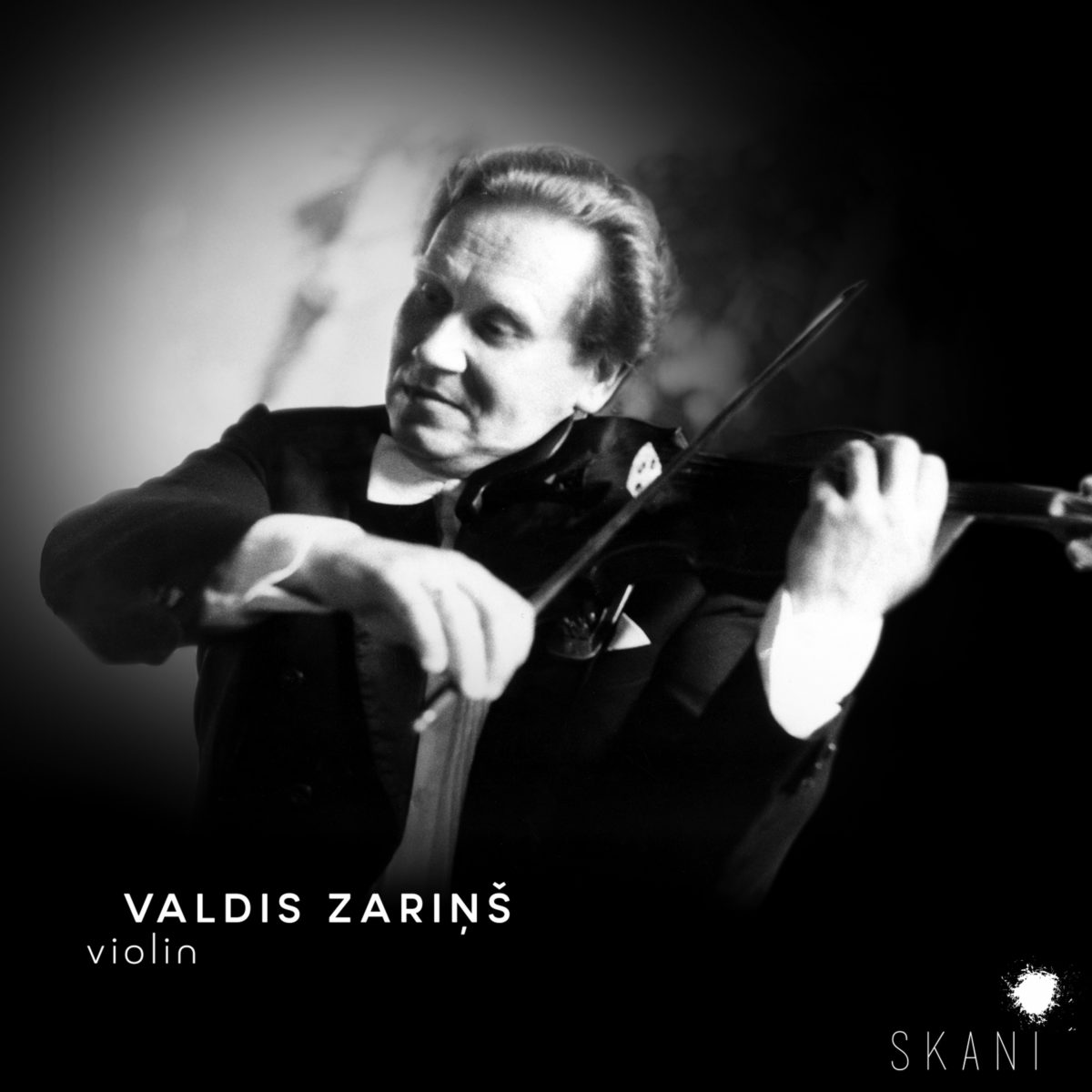
Liepāja Concerti II

LMIC / SKANI 065, 2018

Track listing

CD I

1. Kristaps Pētersons – Second Liepāja Concerto for Cello and Orchestra, dedicated to Visvaldis Ziediņš

Kristīne Blaumane, cello

2. Andris Dzenītis – First Liepāja Concerto for Piano and Orchestra “Duality” (2010) / 40:42

Vestards Šimkus, piano

CD II

Arturs Maskats – Twelfth Liepāja Concerto for Piano and Orchestra (2017) / 27:56

Reinis Zariņš, piano

1. Dances for the Spring Rain and Wind

2. Dances for the Moonlight

3. Dances for the Dawn

Andris Vecumnieks – Fifth Liepāja Concerto “Concertino Art-i-Shock”

Trio Art-i-Shock: Guna Šnē, cello; Elīna Endzele, percussion; Agnese Egliņa, piano

4. Grazioso I

5. Quasi valse. Con sentimento

6. Toccata

7. Quasi valse. Senza sentimento

8. Grazioso II

9. Platons Buravickis – Eleventh Liepāja Concerto for Voice and Orchestra (2016)

Julianna Bavarska, soprano

Egils Kaljo is an American-born Latvian from the New York area . Kaljo began listening to Latvian music as soon as he was able to put a record on a record player, and still has old Bellacord 78 rpm records lying around somewhere.

New York Latvian Concert Choir releases Christmas CD

New York Latvian Concert Choir (Ņujorkas latviešu koris) has released its latest Christmas themed CD, entitled Ziemassvētki laika vējos (or Latvian Christmas in the Winds of Time). Released by Albany Records (TROY1851, 2020), the CD collects works by Latvian composers Laura Jēkabsone, Mārtiņš Brauns, Andrejs Jansons, and Andris Sējāns.

The NYLCC has released many CDs, all containing original compositions dedicated to the choir. Other CDs released by the choir include Christmas in Latvia, Latvian Winterfest, and Christmas Joy in Latvia, a release that was profiled in Rolling Stone magazine, who also declared it one of the 25 best Christmas albums.

On the album, recorded in Latvia at the Latvian Radio Studio in January of 2020, the NYLCC is joined by several other choirs and ensembles – the youth choir Balsis, the women’s choir Balta, the chamber choir Fortius, and the Latvian National Opera Chamber Orchestra. All the works were conducted by the NYLCC artistic director Laura Padega Zamura.

For further information, please visit the New York Latvian Concert Choir Facebook page and the Albany Records website.

Track listing:

  1. Ziemassvētku kantāte “Gausi nāca, drīz aizgāja” – Laura Jēkabsone
    Ziemassvētku cikls Ņujorkas latviešu korim – Mārtiņš Brauns
  2. Vienīgais
  3. Bērna lūgšana
  4. Egles
  5. Sniedziņš
  6. Uguntiņa
    Ziemassvētku kantāte – Andrejs Jansons
  7. Ziema nāk
  8. Šupuļdziesma
  9. Ķekatu dziesma
  10. Svētceļnieku dziesma
    7 O Antifoni – Andris Sējāns, Dabas koncertzāle
  11. O Sapientia
  12. O Adonai
  13. O Radix Jesse
  14. O Clavis David
  15. O Oriens
  16. O Rex Gentium
  17. O Emmanuel

Egils Kaljo is an American-born Latvian from the New York area . Kaljo began listening to Latvian music as soon as he was able to put a record on a record player, and still has old Bellacord 78 rpm records lying around somewhere.

Recording of five cantatas by modern Latvian composers reaffirms range of Latvian choral works

It is well known that choir music is an essential aspect of Latvian culture, deeply ingrained into the national consciousness and psyche. Most every Latvian composer has written works for choir, since, besides the extensive choir tradition, there are also many talented choirs that would be ready to perform the work.

The Soviet occupation of Latvia also had its impact on choir music, mainly on the kinds of works that could be permitted – what would be allowed by the authorities. Sacred choir works were frowned upon, and any work that even hinted at Latvian patriotism was unlikely to be performed. Also, unsurprisingly, works composed by exiled Latvian composers were summarily ignored within Soviet occupied Latvia.

Upon renewal of Latvian independence in the early 1990s, musicians both in and beyond Latvia looked to reestablish the links of Latvian music and culture worldwide. One of these initiatives was by renowned Latvian American conductor Andrejs Jansons, who, along with several talented choirs and musicians, recorded multiple Latvian cantatas both by composers who lived in Latvia during the occupation, as well as exiled composers. Though recorded in 1993, the recordings were only recently released by Albany Records in the collection entitled 5 Latvian Cantatas.

Jansons gathered multiple choirs – the chamber choir Versija, the Latvian Radio Choir, the chamber choir Consum, as well as soloists from and the orchestra of the Latvian National Opera.

The first cantata is by exiled Latvian composer Imants Mežaraups and is the single movement ‘Sērdienītes dziesma’. The work, which weaves together Latvian folk songs about orphans, has both lighthearted moments as well as more tragic sections. The work also makes extensive use of traditional instruments, such as the stabule (recorder) in the somber introduction, as well as the Latvian kokle. Though there are many mournful moments throughout the work, it ends on a celebratory note – the orphan girl finds a rich husband. The choirs, along with soloists, present Mežaraups’ engrossing journey with a vivid, layered performance.

Pēteris Aldiņš’ ‘Pavasara Cikls’ is a collection of works with vernal and pastoral themes, also taken from Latvian folk songs. The playful ‘Rūtoj’saule’ leads in to the atmospheric ‘Ganīdama saganīju’ and then ‘Rotājies, tu, saulīte’ which is at times dance-like, but later majestic. The cycle concludes with the brief, but celebratory ‘Man patika miežu druva’. The work is vibrant and active, and conductor Jansons inspires the needed energy and vitality throughout the cycle.

The weighty and solemn ‘Bēru dziesmas’ by Longīns Apkalns uses Latvian folk songs about death and burials to create a melancholy mood. Occasionally discordant, but at times almost restless, like in the rhythmic ‘Gausi brauca vedējiņi’, the immersive work shows Apkalns’ skill with instrumentation, and the instrumentalists provide for a particularly affecting performance.

Composer Imants Kalniņš is one of the most beloved Latvian composers, both for his work in popular music, as well as his academic and choir music, and his contribution to this collection is ‘Brāli, mans brāli’ a cantata with texts by Latvian poet Rainis. The work begins with Kalniņš’ trademark syncopated and unusual rhythms, and Kalniņš turns Rainis’ expressive poetry, full of themes of standing up to oppression and dreams of freedom, into equally expressive music, particularly in the performance by bass soloist Aivars Krancmanis.

The fifth and final cantata in this collection is Haralds Berino’s ‘Dvēseļu kalnā’. The majestic work of seven individual movements is, in contrast to the other works on the CD, a sacred cantata. The soaring singing of soprano soloist Līga Drozda, is a particular highlight of this recording. Berino, who, during exile, lived in Canada, wrote extensively for choir, particularly sacred works, and his skill in this genre is evident in this cantata, at times meditative, other times exulting, and the performance of the choir elevates this work.

Though it has taken nearly thirty years for these recordings to be released, it was well worth the wait to once again reveal these works to audiences, since it is likely many listeners will be hearing these for the first time. Albany Records has been very supportive of Latvian music and has released many recordings from the archives which would have otherwise been likely forgotten. 5 Latvian Cantatas reaffirms not just the broad and diverse range of Latvian choir works, but also the skill of Latvian performers, particularly conductor Andrejs Jansons who not only made this recording possible, but also inspired vivid and stirring performances.

For further information, please visit the Albany Records website.

5 Latvian Cantatas

Albany Records, TROY 1804

Track listing

  1. Sērdienītes dziesma – Imants Mežaraups

Pēteris Aldiņš – Pavasara cikls

  • Rūtoj’ saule
  • Ganīdama saganīju
  • Rotājies, tu, saulīte
  • Man patika miežu druva

Longīns Apkalns – Bēru dziesmas

  • Jūdzat bērus, jūdzat raudus
  • Gausi brauca vedējiņi
  • Es visu viesiņu gaidītāja
  • Ko mēs labi pārnesām

Imants Kalniņš – Brāli, mans brāli

  1. Zēniņa dziesma
  2. Nabaga brālis
  3. Karaļmeita

Haralds Berino – Dvēseļu kalnā

  1. Dvēseļu kalnā
  2. Dievs ir gaisma
  3. Klusuma koks
  4. Debesu lāses
  5. Lūgšana dievnamā
  6. Laipnais vārds
  7. Spožums tam sāp

Egils Kaljo is an American-born Latvian from the New York area . Kaljo began listening to Latvian music as soon as he was able to put a record on a record player, and still has old Bellacord 78 rpm records lying around somewhere.