Though pianist and composer Raimonds Pauls is undoubtedly the best known and most successful of Latvian musicians, a significant aspect of his success in the field of popular music is due to the lyricists and poets that he has worked with. One of his most enduring collaborations is with Latvian poet Jānis Peters, a relationship that has been ongoing for many decades now. Peters and Pauls worked together on what must be hundreds of songs, including some of Pauls’ biggest hits, such as ‘Sanāciet, sadziediet’, ‘Mēmā dziesma’, ‘Genovēva’, and ‘Manai dzimtenei’, to name but a few. Though Pauls has worked with many Latvian lyricists, it is perhaps with Peters that Pauls created some of his most fruitful work. And, of course, Peters worked not only with Pauls, but many, if not all, celebrated Latvian composers of the last fifty years.
As Peters celebrates his 75th birthday in 2014, the record label MicRec, continuing its series of honoring the wordsmiths at the heart of Latvian popular music (which began with Imants Ziedonis on the Dziesmiņas par prieku collection) with the CD Sanāciet, sadziediet…, collecting some of the most popular songs with words by Jānis Peters.
One of Pauls’ most famous works is ‘Tava balss (Mēmā dziesma)’, performed by Nora Bumbiere, a song about muteness all around, in the sky and in the field, but that one should still rely on their own voice to be heard. Perhaps due to this text being written during Soviet times, when poets had to be careful with their wording and present the song’s meaning in oblique ways, this song has what could be considered as having some of Peters’ strangest lyrics – ‘Un ja nu dvēselē zied egle, Un savu likteni svin suns?’ (And if the soul blossoms in a fir tree? And a dog celebrates its destiny?). Nevertheless, it is one of Pauls’ most beautiful songs, thanks to the pensive and moving lyrics by Peters.
A pleasant surprise was the inclusion of the newer version of the song ‘Tā diena’, recorded by Viktors Lapčenoks and Normunds Rutulis, with Peters musing about ageing (metaphorically speaking about ‘tas tramvajs, ko negaidu es’ – the tram that I am not waiting for), but with Pauls’ music turned into a lively song with Latin-like rhythms.
What also makes Peters’ lyrics memorable is that they can also be quite fun and humorous – case in point, the song ‘Genovēva’, performed by Žoržs Siksna. The song, where the singer implores the girl Genovēva ‘allow me to be your bad boy’, in what is an altogether humorous attempt at wooing.
Peters’ words for the song „Manai dzimtenei”, which has become one of the most popular choir songs in the modern Latvian repertoire, celebrate the 100th anniversary of the founding of the Latvian Song Festival. The lyrics, which reference Rainis’ lyrics for the choir song ‘Lauztās priedes’, evoke the celebratory nature of that event, as well as the hardships that would befall Latvia in the future (notably the line ‘vēl nāks piektais gads, asins lietus līs’ – ‘there will still be 1905, rain with blood will fall’, a reference to the 1905 revolution). Though the version included on the CD is the original version, performed by Nora Bumbiere and Viktors Lapčenoks, it may have been better to have the choir version of the song, since it is through this song’s appearances at Song Festivals that this text and melody have become legendary.
Though Peters’ main collaborative partner was Raimonds Pauls, Peters’ words have been used by many composers throughout the years. This collection includes songs by many other celebrated Latvian composers, such as Uldis Stabulnieks (‘Mans bišu koks’), Mārtiņš Brauns (‘Dvēselīte’ performed by Sīpoli, ‘Lai Jums izdodas’ performed by Edgars Liepiņs), as well as Ivars Vīgners (songs such as ‘Ar mīlestības pinekļiem’ performed by Ingus Pētersons and ‘Dziesmiņa par Parīzi’ performed by Rūdolfs Plēpis). Many composers throughout the years have found inspiration in the words of Peters and this is but a small sampling of those.
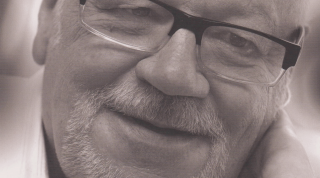
The only critique of this CD release is once again relating to packaging – as there is no booklet or lyrics, just two photographs. This CD reveals the problems plaguing the Latvian (as well as worldwide) music industry, as record labels release the same old songs for the second or even third time (most of these songs have already appeared in CD format before). Besides the common theme of Peters’ lyrics, it just seems like yet another re-release of old songs. It would have been most helpful to include some biographical information, or an essay on Peters’ importance to Latvian culture, or anything to make this release more than just a collection of songs.
Still, as a collection of songs from the last few decades of Latvian popular music, it does indeed reaffirm Jānis Peters’ significance as a poet and lyricist. These songs have resonated through the years, and will continue to be part of the Latvian popular music canon for generations to come. Peters’ lyrics have inspired, and continue to inspire composers, even in the field of academic music (for example, one of composer Pēteris Vasks’ most famous choir works is ‘Māte saule’, with words by Jānis Peters). Sanāciet, sadziediet.. is a memorable testament to this significant and beloved Latvian poet.
For further information, please visit the MicRec website at www.micrec.lv
Details

Sanāciet, sadziediet… Dziesmas ar Jāņa Petera dzeju
Jānis Peters
MicRec, MRCD 517, 2014
Track listing
- Laternu stundā – Nora Bumbiere
- Griezīte – Nora Bumbiere un Viktors Lapčenoks
- Sanāciet, sadziediet, sasadancojiet – Viktors Lapčenoks
- Tava balss (Mēmā dziesma) – Nora Bumbiere
- Kurzeme – Viktors Lapčenoks
- Manai Dzimtenei – Nora Bumbiere un Viktors Lapčenoks
- Pāri dzelmei – Nora Bumbiere un Viktors Lapčenoks
- Salds itāliešu kino – Pauls, Nora un Viktors
- Zilais karbunkuls – Dailes teātra aktieri
- Genoveva – Žoržs Siksna
- Ar mīlestības pinekļiem – Ingus Pētersons
- No nakts uz rītu – Latvijas Radio koris
- Pērļu zvejnieks – Jānis Sproģis
- Rudens ogle – Mirdza Zīvere
- Kā senā dziesmā – Igo un Remix
- Dvēselīte – Sīpoli
- Tā diena – Viktors Lapčenoks un Normunds Rutulis
- Mans bišu koks – Uldis Stabulnieks
- Lai jums izdodas – Edgars Liepiņš
- Dziesmiņa par Parīzi – Rūdolfs Plēpis
- Ja tevis nebūtu – Ance Krauze
- Caur manu naivu sirdi – Laima Vaikule
- Fināla dziesma – Ojārs Grīnbergs