Brigadere Annele trilogy English translation available

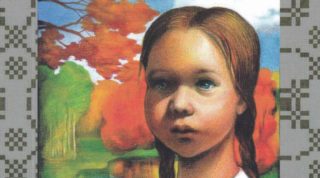
Latvians Online recently got their hands on the English translation of the Latvian classic: – Dievs, daba, darbs, Skarbos vējos and Akmens sprostā. This is the work of a Latvian-American living in Minneapolis – Ilze Kļaviņš-Mueller – who has now made 19th century Latvian rural life come to life for the English-speaking world. An interview with the translator herself  provides more insight.

Latvians Online: What inspired you to translate the Brigadere trilogy into English?

Ilze: Back in the ’80s, a listener-supported radio station here in Minneapolis had a daily children’s program. I started reading episodes I had translated from Jānis Jaunsudrabiņš’ Baltā grāmata (The White Book) on the air, and went on to translate and read a few chapters from Brigadere’s Trilogy as well. Much later I decided to translate the entire book, though initially the task seemed daunting.

Why did you choose Brigadere in particular?

I have known and loved Anna Brigadere’s Trilogy since I was little. The Latvians have a number of such wonderful childhood memoirs – Jaunsudrabiņš, Brigadere, Aspāzija, Valdis immediately come to mind. These books gave me a deep insight into rural life in late 19th and early 20th century life in Latvia – Latvian history seen through the eyes of children who experienced it. Little Annele, the protagonist of the Trilogy, was one of my favourites.

What were the challenges of translating such a classic piece of literature into English?

The challenges were many. The one that initially seemed insurmountable was the vocabulary – names for tools, foods, plants, clothing that were not in my dictionaries. When I started translating the book in the 1990s, the resources of the Internet were not yet available to me. But then I inherited from a relative the six-volume Dictionary of the Latvian Language by linguists Kārlis Mīlenbahs and Jānis Endzelīns, an incredible piece of luck. Another challenge I faced was Latvian syntax, where, for instance, the subject of a clause is frequently omitted, or the unreliability of a statement is expressed by the so-called narrative mood of the verb.

Brigadere has a sharp ear for the voices of her characters: each has a distinctive pattern of speech – how should I differentiate in English the speech of a farmhand from that of a Jewish tailor, or a pastor’s housekeeper, or a young man trying to pass himself off as a German? The important thing was to avoid obvious Americanisms or modern idioms, which would “place” the story in the wrong setting. I did not always succeed in rendering subtle differences between the voices of the various characters. But I tried.

What did you enjoy most about the process?

As I worked, I found myself “listening” for the voice of the narrator, trying to catch each nuance, searching for the exact shade of meaning. I was happiest when a translation “worked” – when a character’s voice sounded authentic. I had feedback, too, from a women writers’ group I was in whose patient ears heard the first version of my translation. They picked up on things that sounded unclear or wrong. And it was great to realise that the story held their attention, that they too loved Annele.

What new things did you learn about this classic whilst going into each sentence and word in-depth?

As a child, I had focused mainly on the story of Annele. As a translator, I came to appreciate the richness of Brigadere’s language, the subtlety of her descriptions, the craft that went into the writing of this amazing book. From my childhood, I seem to remember only the first two parts of the Trilogy (Dievs, daba, darbs – God, Nature, Work; and Skarbos vējos – Harsh Winds). As an adult, I was stunned by Brigadere’s description, in part 3, of Annele’s sister Līziņa’s fate. The narrator is never sentimental, but pitilessly conveys the tragedy of a gifted young woman’s lack of career opportunities, when marriage seems the only viable choice.

Have you translated other Latvian literary works? Are you planning more in the future? 

Other than a series of poems, I have also recently translated Vizma Belševica’s wonderful Bille books (BilleBille and the War; and Bille’s Beautiful Youth). I am looking for a publisher for them. I no longer have the energy or the funds to self-publish them as I did Brigadere’s Trilogy.

One translation project I am considering at the moment is Valentīna Freimane’s memoir about her life growing up as a Jewish girl in pre-war Riga and her survival during the Holocaust. That’s been translated into German (Adieu, Atlantis), but so far there has been no English translation.

Who do you think would be your target readership?

 I envisioned a readership consisting of my American friends here in Minnesota, and the children and grandchildren of Latvians in English-speaking countries. While many of the latter speak fluent Latvian, it may be difficult for them to read and understand Brigadere’s work in the original. People here and all over the United States have also bought the book for their friends. The Twin Cities Latvian community has been very supportive.

How long did the translating take?

I can’t really remember. I worked on the book on and off for something like two years while teaching college German. When I finally decided to publish the translation, there was a lengthy period of proofreading – at least several more months.

What did you learn about translation through this process?

Hmmm. There are several schools of translation: the translators who stick close  to the original even if it sounds somewhat foreign, and the translators who smooth things for the reader, make everything sound familiar. My own philosophy is that the reader enters a translated work as a tourist enters a country he is unfamiliar with – the translator can help a little to orient the reader, but too much help would distort the reality of the other culture. My translation began by being fairly literal, and over the months I became more “emancipated”. I kept on a few Latvian words (pastala, klēts), but sometimes chose similes, metaphors, and proverbs that came from the reader’s own language and tradition. In other words, I evolved as a translator, and hopefully improved a bit.

Do you look at Brigadere differently now that you have come to scrutinise her works so closely?

Yes. I feel now more than ever that Anna Brigadere deserves to be ranked among the foremost European authors of her time. 

The book costs $27 plus postage and can be ordered by emailing Ilze directly  <ilzemueller@gmail.com>  or from Amazon.com (ask for The Annele Trilogy). Libraries outside the U.S. – please contact Ilze directly.

 

Daina Gross is editor of Latvians Online. An Australian-Latvian she is also a migration researcher at the University of Latvia, PhD from the University of Sussex, formerly a member of the board of the World Federation of Free Latvians, author and translator/ editor/ proofreader from Latvian into English of an eclectic mix of publications of different genres.

Australian Latvians to celebrate their culture in Melbourne in December

The 56th Latvian Cultural Festival, to be held in Melbourne from 26th Dec 2016 to 1st Jan 2017 is just around the corner. Latvians Online spoke to one of the organisers, Lara Brenners, to find out what’s in store for Australian Latvians – and anyone else interested in Latvian culture – at the end of the year.

1. The first question on everyone’s lips is – who will this year’s guests from Latvia be? And will there be any other groups from overseas?
This year we have a number of guests from Latvia. Firstly we have folk dance group from Latvia – “Līgo” – with their leader, Jānis Purviņš, (organiser of countless Latvian Dance festivals, recipient of the Order of the Three Stars, choreographer of many folk dances) as well as mixed choir “Anima” from Saulkrasti, led by Laura Leontjeva un Kārlis Rūtentāls. “Anima” un “Līgo” will have separate guest concerts at the Cultural Festival. Ivars Cinkuss an Uģis Prauliņš will also be here to help produce the project “Pagānu Gadagrāmata” as well as weaver Māris Maniņš.

2. Are any official representatives from the Latvian government planning to attend the Festival?
Several invitations have been extended and we are still waiting for replies. We are hopeful on this front.

3. What is planned in terms of Latvian events in Federation Square [for those unfamiliar with Melbourne – an events/performance space in the centre of town, opposite Flinders St Station]? 
This event is planned as an exhibition of traditional song & dance where we can showcase a small excerpt of our culture to the broader Australian Public.  On the centre stage, our short performance will be broadcast onto the big screen, a free event for passersby to stop and enjoy!

4. Will all the usual KDs events be part of the programme? Choral concert, folk dancing concert, a theatre performance, etc?
Yes, the standard KDs events will all be part of the program.  These events are part of the rich history of the Cultural Festival and are important to the continuing traditions of the festival as a whole.

5. Any other events planned that haven’t been part of the programme previously?
This year we have a new event – “Pagānu Gadagrāmata”. This is a musical piece written by Uģis Praulins, directed by Ivars Cinkuss which has not been performed outside of Latvia before. Melbourne’s own koris “Daina” and male choir ” Veseris” were personally selected to perform this. We also have an Arts and Crafts exhibition planned which has not featured as part of the festival for many years.

6. Where can people get more information about the Festival?
The website is almost up and running. Here information will be readily available and constantly updated.

7. The World Latvian Economics and Innovations Forum is also scheduled in Melbourne during these dates. Can you tell me a bit about this event? Will events of both the Festival and Forum overlap?
This event was first hosted in Rīga in 2013, the second in 2015 and it was decided in 2015 that the next event should be held outside Latvia, with Australia selected as the next venue.  The forum will be held on the 29th and 30th December in conjunction with KDs.

8. Which Festival events will those who don’t speak Latvian be able to enjoy?
With two art exhibitions, sports, a youth musical performance, folk dancing, a combined choir concert, a musical (with subtitles), a comedy show, film night etc., there are many events that can be enjoyed by those who don’t speak Latvian.

9. What is the overall feeling within the Melbourne Latvian community, gearing up for the Festival (bearing in mind that it only takes place in Melbourne every six years)?
Melbourne is starting to get the KDs buzz, with many warm-up fundraising events occuring throughout the year.  The Melbourne community is exceptionally supportive of the upcoming KDs festival & looks forward to welcoming interstate visitors & overseas guests alike to its home.

10. What would you like to say to those who live interstate and are thinking of attending the Festival?
This year’s KDs is gearing up to be a big event with a lot to see and do for all people.  We have aimed to keep most of the festival events around the Latvian House hub so that a central location is maintained adding for ease of travel access for guests.

11. Why do you think the Australian Latvian Cultural Festival is still going strong – already into its 56th year?
The festival, although now held every second year, is still going strong because of an ongoing drive within the community for people to identify with their past and their culture. Many of my friends now have children of their own and are back actively in the community exposing their children to the Latvian lifestyle in all its glory.

Daina Gross is editor of Latvians Online. An Australian-Latvian she is also a migration researcher at the University of Latvia, PhD from the University of Sussex, formerly a member of the board of the World Federation of Free Latvians, author and translator/ editor/ proofreader from Latvian into English of an eclectic mix of publications of different genres.

3×3 Austrālijā – kur piedzīvot latvietības devu Adelaides kalnos

Intervija ar 3×3 2016 Adelaidē rīkotāju Mārīti Rumpi.

Lūdzu pastāsti par 3×3 Austrālijā. Kas 3×3 saieti vispār ir un kur un kuros datumos šogad saiets tiek rīkots?

Šis būs trīsdesmit trešais 3×3 Austrālijā, tātad tas ir noticis jau ilgu laiku un manuprāt tas nozīmē, ka cilvēkiem patīk un ir vajadzīga šī saulainā vasaras nedēļa, kura satikties ar latviski runājošiem draugiem un paziņām.

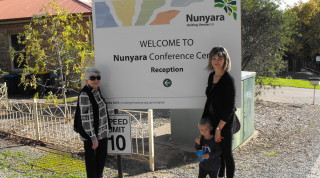
2016.g. saiets notiks no 2.-8.janvārim, Adelaides kalnos, Nunyara konferences centrā. Skaistā vietā, kas ir ļoti tuvu pilsētai, bet taja pašā laikā ir kalnā ar skaistu skatu. Šī 3×3 tēma būs ” Latvijas putni”. Dziedāsim, kā putni, dejosim, kā putni un izrādīsim savas krāšņās spalvas kā putni!

Kā jau mūsu pieteikuma veidlapā ir minēts 3×3 pamatā ir latviešu valoda, latviskā dzīvesziņa un zināšanas.

Esi 3×3 vadītaja šogad. Kā sanāca uzņemties šo pienākumu? Pastāsti, lūdzu, mazliet par sevi.

Pati esmu dzimusi un augusi Latvijā. Ierados Austrālijā 2005.g. novembrī. Šī gada sākumā domāju, ka mana meita Kristiāna (5.g.) ir izaugusi pietiekoši liela, lai mēs dotos uz 3×3. Jo kā jau visas mammas, kuras vēlas, lai viņu bērni runātu latviski, domāju, ka nedēļa priecīgā gaisotnē un latviskā vidē nāktu par labu latviešu valodai. Par cik pati nekad neesmu apmeklējusi 3×3 iepriekš, jo bija mazi bērni, tad ar interesi devos uz Ulda Ozoliņa rīkoto informācijas pēcpusdienu Tālavas mazaja zālē. Uldis bija ieradies kopā ar Ingu Jaksi (puse x puse) 3×3 bērnu programmas vadītāju un izstāstīja mums kā tās lietas notiek 3×3.

Tajā reizē arī tika diskutēts par labāko laiku, kad rīkot 3×3 un cik bieži rīkot. Tā gaisotne pēc šīs sanāksmes bija tāda nez vai vispār rīkos un man bija tāda sajūta – nu kā tad tā, es beidzot sataisījos un nebūs 3×3! Uldis mēģināja pierunāt vairākus cilvēkus rīkot saietu, bet kaut kā tas nevedās…

Tad nu domāju, kas neriskē, tas nevinnē. Ja gribu savai meitai 3×3, tad laikam jāpiekrīt un jādara kaut kas lietas labā. Tā nu es esmu šeit un tagad. Protams, tas viss nenotiktu, bez konsultācijām no ļoti zinošiem 3×3 vadītājiem un dalībniekiem Anda un Rudītes Bērziņiem, paša Ulda Ozoliņa, iepriekšējā 3×3 Sidnejā komandas atbalsta un Latvijas Kultūras Ministrijas atbalsta, kas ļoti izpalīdzēja finansiāli, lai mēs varētu saglabāt pēc iespējas zemākas cenas dalībniekiem.

Kādus lektorus šogad varam sagaidīt? Vai būs arī vieslektori no Latvijas?

3×3 var lepoties ar ļoti zinošiem un gudriem lektoriem gan no Latvijas gan Austrālijas. No Latvijas ieradīsies folkloriste un saemas deputāte Janīna Kursīte, kura zinās stāstīt gan par jaunumiem politikā gan vadīs savu ievirzi par folkloru.

Būs arī Ventiņ zāļu sieva Līga Reitere, kurai arī tiks atvēlēts laiks ievirzei. Tajā viņa stāstīs par labumiem (tējām, garšaugiem utt.), kurus varam atrast dabā, mācīs pīt zāļu kroņus (varbūt no eikaliptiem!)  un konsultēs interesentus tautastērpu valkāšanā un darināšanā. Kā arī var novadīt kādu glītrakstīšanas stundu.

Būs arī divas dziedātājas no “Latviešu Balsīm” Laura Jēkabsone un Zane Stafecka, kuras mēģinās atrast apslēptos talantus un nospodrināt jau esošo talantu dziedāšanas prasmes.

Protams nevar aizmirst mūsu pašu Austrālijas lektorus, kuri ir ne mazāk spoži un zinoši savā jomā. Tātad piedalīsies Ilze Švarcs, kura stāstīs par “Latviesu rotu vēsturi”, Arnis Gross ar referātu “Pastāvēs, kas digitalizēsies” rādīs jaunākos atklājumus datorpasaulē, kurus var lietot latviešu valodā. Daina Gross pastāstīs par PBLA latviešu valodas, kultūras un vēstures tālmācības projektu, Ilga Vēvere “Cilvēka ķermeņa valoda” būšot nopietni un nenopietni stāstījumi un piemēri par to kā mēs kustamies.

Kādas nodarbības paredzētas – rokdarbu, nopietnāka rakstura?

Rokdarbi mums ļoti nopietni šogad. Vizma Boag vadīs šūšanas ievirzi un vedīs uz 3×3 īstas šujmašīnas un dāmas varēs šūt somiņas un citus aksesuārus ar mūsu 3×3 tēmas “Latvijas putni” simboliem. Anda Banikos vadīs “lino-cut” ievirzi, kur būs jāstrādā ar linoleju, krāsām un speciāliem amatrīkiem un varēs taisīt skaistas apsveikumu kartītes. Būs arī adīšanas puduris Agneses Dombrovskas vadībā, kur varēs papļāpāt pēc garās dienas un tajā pašā laikā kaut ko uzmeistarot ar pirkstiņiem un adāmadatām. Būs arī “Tai čī” vingrošana Pētera Strazda vadībā, sports, muzicēšana, runāsim pareizi nodarbības.

Ko lai dara, ja kāds uz 3×3 nevar tikt uz visu laiku? Vai pastāv iespēja atbraukt uz dienu, divām?

Būsim priecīgi Jūs uzņemt arī uz pāris dienām. Vienīgi arī tad ir jāpiesakās laicīgi (vismaz 3 dienas iepriekš), lai Jūs nepaliktu bez pusdienām vai vakariņām. Var aizpildīt parasto pieteikšanās veidlapu un norādīt no kura līdz kuram datumam Jūs būsiet un cikos ieradīsieties un dosieties prom.

Vai bērniem arī būs nodarbības?

Jā, bērniem būs pašiem sava programma Ingas Jakses vadībā. Bērni dziedās, dejos, sportos un veidos dažādus pirkstiņdarbus. Lūgsim arī vecākus vai vecvecākus talkā, lai palīdz bērniem un mazbērniem, lai būtu interesantāk un jautrāk.

Kas paredzēts vakaros?

Vakara programā būs danču vakars Līgas Reiteres vadībā, šķēršļu gājiens Anda un Rudītes Bērziņu pārziņā, Lauras Jēkabsones un Zanes Stafeckas rīkoti “Dziesmu kari”, Viktorīna, ko piedāvās Karīna Jaunalksne, kā arī kādā no vakariem pie mums viesosies “Latviešu balsis” dzelteno tērpu kolekcijas māksliniece Edīte Treija un pastastīs par to kā tapa šie tērpi. Būs arī Siksnu pāra rīkots vakars, kurā ieskatīsimies un ieklausīsimies “Aspāzijas dzīvē un dzejā”. Tātad programma solās būt ļoti daudzpusīga.

Vai šogad 3×3 būs kādi jauninājumi, kas nav bijuši agrāk?

Kā jaunums šogad būs nodarbības angļu valodā tiem cittautiešiem, kuri ir ieprecējušies latviešos. Ievirzi vadīs Uldis Ozoliņš,  kā arī viņi varēs mācīties latviešu valodu Andas Banikos vadībā.

Vai vēl var pieteikties uz 3×3?

Jā, esam pagarinājuši pēdējo pieteikšanās dienu, līdz 15.decembrim – tātad droši varat pieteikties.
Pieteikšanās veidlapas var lejuplādēt no 3×3  mājas lapas, vai arī varu nosūtīt Jums pa pastu.
Nekautrējaties un zvaniet vai rakstiet Mārītei Rumpei: e-pasts m.rumpe@gmail.com vai mob tel: 0431056045

Daina Gross is editor of Latvians Online. An Australian-Latvian she is also a migration researcher at the University of Latvia, PhD from the University of Sussex, formerly a member of the board of the World Federation of Free Latvians, author and translator/ editor/ proofreader from Latvian into English of an eclectic mix of publications of different genres.